Why Wood Remains Irreplaceable
Wood has been a cornerstone of human development for centuries, cherished for its strength, versatility, and natural beauty. From ancient shelters to modern architecture, wood continues to be a preferred material in construction, furniture, and interior design.
In today’s world, wood is more than just a building material—it represents innovation, sustainability, and elegance, offering solutions that blend functionality with aesthetic appeal. As technology advances, wood has evolved to meet the needs of contemporary spaces while maintaining its timeless charm.
Major Types of Wood and Their Unique Qualities
1. Hardwood
Hardwoods such as Oak, Teak, Mahogany, and Walnut are prized for their strength, durability, and elegant grains. They are ideal for:
- High-end furniture
- Flooring
- Decorative wall panels
- Luxury cabinetry
These woods can withstand heavy use, making them perfect for both residential and commercial applications.
2. Softwood
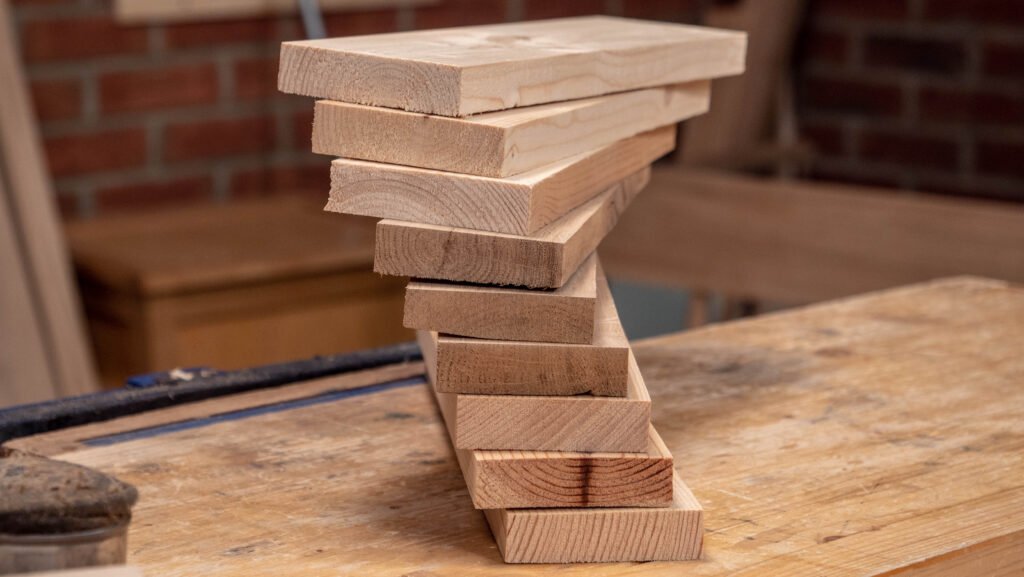
Softwoods, including Pine, Cedar, and Fir, are lighter, easier to work with, and faster-growing, making them an economical choice for:
- Construction frameworks
- Interior paneling
- Furniture
- Doors and windows
Softwoods are renewable and sustainable, suitable for large-scale projects that require versatility and efficiency.
3. Engineered Wood
Engineered wood products like Plywood, MDF, Laminated Veneer Lumber (LVL), and Cross-Laminated Timber (CLT) are manufactured using wood fibers and adhesives. These products are:
- Stable and resistant to warping
- Highly versatile for flooring, cabinetry, and wall panels
- Environmentally efficient as they maximize raw material usage
Engineered wood is particularly popular in modern construction and interior design due to its strength, uniformity, and design flexibility.

Modern Applications of Wood
1. Construction and Architecture
Wood is a top choice for both structural and decorative applications in buildings. Its natural insulation, strength, and aesthetic appeal make it ideal for flooring, roofing, and wall panels. Engineered wood enables architects to design eco-friendly, sustainable, and innovative structures.
2. Interior Design and Furniture
Wood transforms interiors into warm, inviting spaces. Whether it’s a handcrafted dining table, sleek cabinetry, or custom wall panels, wood provides durability, elegance, and timeless charm. Designers also use reclaimed and engineered wood to achieve modern, eco-conscious aesthetics.
3. Specialty and Decorative Uses
Wood is used in artistic and luxury applications, including:
- Sculptures and art installations
- Veneers and decorative paneling
- Custom furniture and luxury interiors
Premium woods like Rosewood, Ebony, and Walnut are prized for their unique textures and rich color, adding sophistication to any space.
Sustainability and Environmental Impact
Wood is a renewable, eco-friendly material when sourced responsibly. FSC-certified wood ensures forests are managed sustainably, reducing carbon emissions and promoting biodiversity. Additionally:
- Engineered wood minimizes waste and maximizes raw material efficiency
- Wood acts as a carbon sink, storing CO₂ throughout its lifespan
- Sustainable wood reduces the environmental footprint of construction and manufacturing
By choosing wood, industries and homeowners contribute to green building practices and a more sustainable future.
Advantages of Using Wood
- Durable and long-lasting
- Versatile for construction, interiors, and furniture
- Eco-friendly and renewable
- Adds warmth, texture, and elegance
- Compatible with modern, traditional, and luxury designs
- Easy to maintain and refurbish
Conclusion:
Wood continues to play a vital role in construction, interior design, and manufacturing. Its combination of strength, beauty, and sustainability makes it an unparalleled choice for modern living. From luxurious interiors to eco-friendly buildings, wood remains a timeless, functional, and stylish material that adapts to the evolving demands of contemporary life