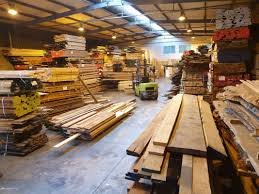
Wood has always been a cornerstone of human innovation, from early shelter construction to today’s modern architectural wonders. Among its many forms, timber panels stand out as one of the most widely used and versatile wood products. Whether in construction, furniture design, interior décor, or industrial projects, timber panels provide strength, durability, and adaptability. Their ability to balance functionality, sustainability, and aesthetics makes them an essential material across industries.
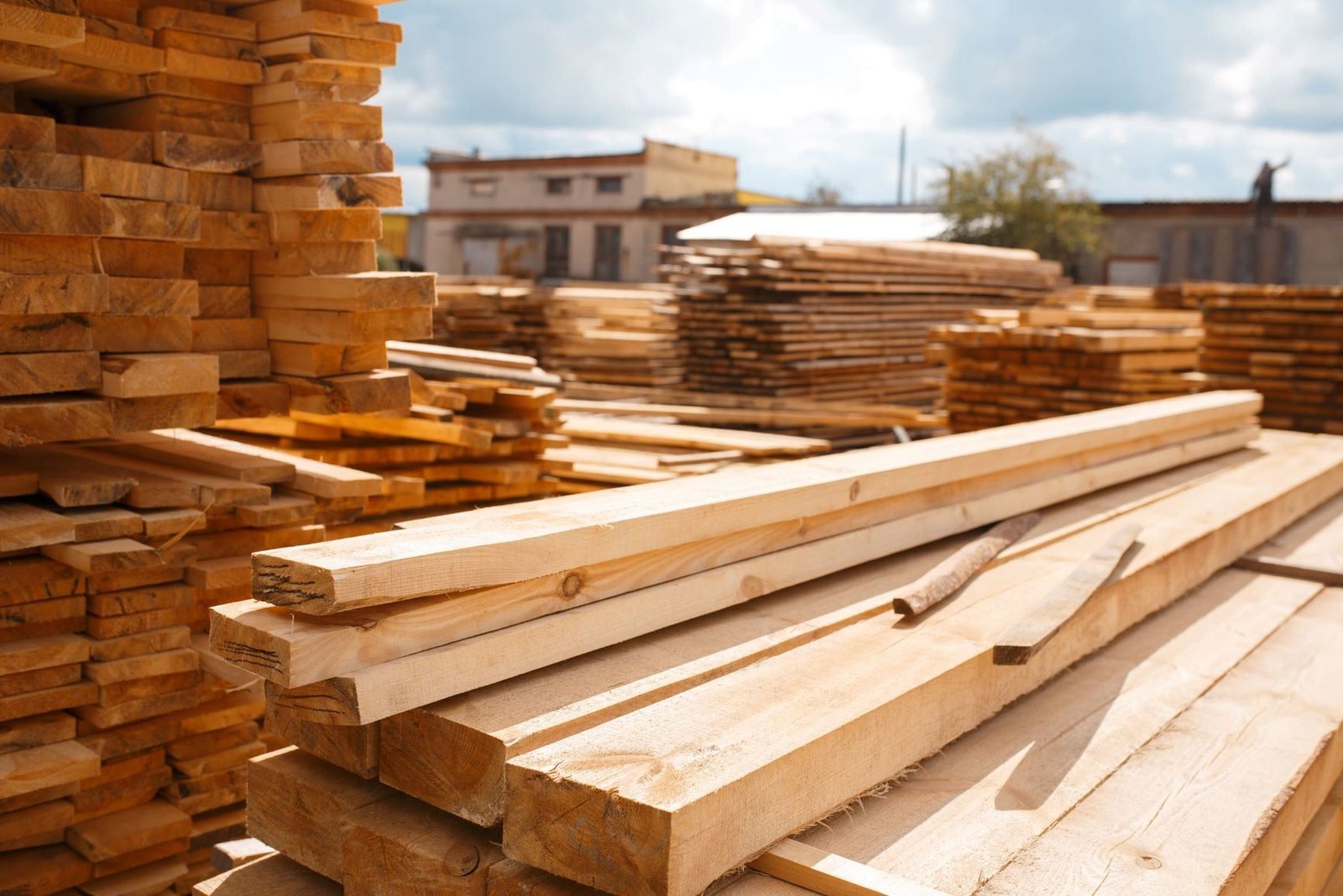
Types of Wood Boards
Wood boards come in different varieties, each designed to meet specific needs. Some of the most common types include:
- Plywood: Strong and flexible, often used for furniture and construction.
- OSB (Oriented Strand Board): Engineered for structural applications like walls, flooring, and roofing.
- MDF (Medium-Density Fiberboard): Smooth and uniform, ideal for cabinetry and decorative purposes.
- Particle Board: Affordable and lightweight, widely used in low-cost furniture.
- Laminated Boards: Enhanced with finishes for durability and stylish looks.
Each type has its own advantages, durability levels, and design flexibility, making wood boards suitable for different projects.
Durability and Strength of Wooden Panels
Wooden panels are engineered for long-term performance. They are designed to resist warping, cracking, and bending under pressure. Some panels, such as laminated or OSB, are manufactured using advanced technologies that improve their moisture resistance and structural strength.
The durability of wooden panels makes them:
- Perfect for heavy-duty construction projects.
- Reliable for furniture that endures daily use.
- A cost-effective material that reduces maintenance and replacement costs.
Eco-Friendly and Sustainable Options
In the modern era, the demand for sustainable and eco-friendly materials is rising. Many manufacturers now produce formaldehyde-free wood boards using responsibly sourced timber. These boards contribute to:
- Reduced carbon footprints in construction.
- Cleaner indoor air quality with low or zero emissions.
- Support for green building certifications such as LEED.
By choosing eco-friendly wood boards, architects and designers can promote sustainability without compromising on quality.
Applications of Engineered Wood Across Industries
Engineered wood is incredibly versatile and used in a wide range of industries:
- Construction: Walls, ceilings, flooring, and roofing.
- Furniture Manufacturing: Tables, cabinets, wardrobes, and shelves.
- Interior Design: Decorative panels, partitions, and modern home décor.
- Packaging Industry: Durable crates and boxes.
- DIY Projects: Small-scale carpentry and creative builds.
This adaptability highlights why engineered wood is considered the backbone of multiple industries worldwide.
Aesthetic Appeal and Design Flexibility
Beyond strength and utility, wood boards are valued for their aesthetic charm. They come in various textures, finishes, and grains, allowing designers to craft interiors that reflect both modern and traditional styles. Laminated and decorative boards, in particular, add elegance to spaces by combining style with durability.
From sleek office interiors to cozy home designs, wood boards can transform spaces into functional yet visually stunning environments.
Cost-Effectiveness and Accessibility
Another key advantage of timber panels is their affordability. Compared to solid wood, engineered panels are much more cost-effective while still delivering excellent strength and design flexibility. Their availability in different sizes, grades, and finishes ensures that there’s a solution for every budget.
The Future of Engineered Wood in Modern Living
Engineered wood is more than just a building material; it is a foundation of sustainable, stylish, and durable design. Its versatility across industries, eco-friendly options, and affordability make it an ideal choice for the modern world.