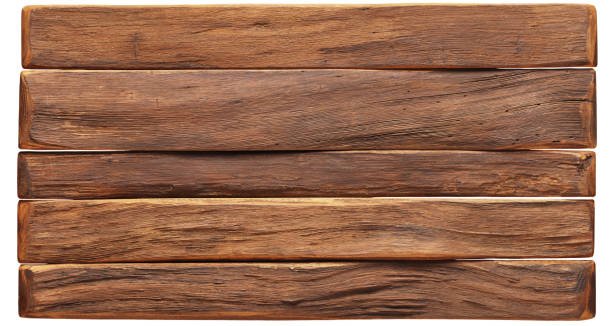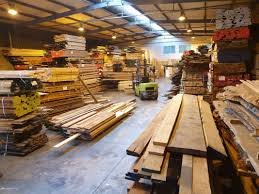
Cái ngành công nghiệp gỗ đang trải qua một cuộc cách mạng, được thúc đẩy bởi tính bền vững, kỹ thuật tiên tiến và các yêu cầu thiết kế hiện đại. Gỗ thế hệ tiếp theo Next-Gen Timber đại diện cho tương lai của gỗ, cung cấp các vật liệu thân thiện với môi trường, hiệu suất cao và đa năng, phù hợp cho xây dựng, sản xuất đồ nội thất, thiết kế nội thất và các ứng dụng công nghiệp. Với nhu cầu ngày càng tăng đối với các vật liệu có trách nhiệm với môi trường, Next-Gen Timber đang thiết lập các tiêu chuẩn mới về độ bền, tính thẩm mỹ và sự đổi mới.

Tìm hiểu về gỗ thế hệ tiếp theo
Gỗ thế hệ mới được sản xuất bằng các kỹ thuật chế biến tiên tiến và các phương pháp lâm nghiệp bền vững. Khác với gỗ truyền thống, nó có độ bền, độ ổn định và khả năng chống chịu vượt trội đối với các yếu tố môi trường như độ ẩm, sâu bệnh và biến động nhiệt độ. Điều này làm cho nó trở thành vật liệu đáng tin cậy cho cả ứng dụng trong nhà và ngoài trời.
Nhờ các chất kết dính hiện đại, kỹ thuật chính xác và quy trình sản xuất thân thiện với môi trường, gỗ thế hệ mới (Next-Gen Timber) mang lại sự nhất quán, độ bền lâu dài và hiệu suất chất lượng cao. Nó thu hẹp khoảng cách giữa vẻ đẹp tự nhiên và sự tiến bộ công nghệ.
Các loại gỗ thế hệ mới
1. Gỗ kết cấu kỹ thuật
- Gỗ dán nhiều lớp (CLT): Các tấm nhiều lớp cung cấp khả năng chịu tải cao cho sàn nhà, tường và mái nhà.
- Gỗ dán nhiều lớp (LVL): Các dầm kỹ thuật được thiết kế để đảm bảo độ ổn định kết cấu và khả năng chịu tải nặng.
- Dầm gỗ dán nhiều lớp: Các dầm gỗ cong hoặc có nhịp dài được sử dụng trong thiết kế kiến trúc hiện đại.
2. Sản phẩm gỗ tổng hợp
- Vật liệu composite gỗ-nhựa (WPC): Các tấm ván bền chắc dùng cho sàn gỗ ngoài trời, đồ nội thất sân vườn và ốp tường ngoại thất.
- Ván sợi mật độ trung bình (MDF): Các tấm ván nhẵn mịn lý tưởng cho đồ nội thất, tủ kệ và các ứng dụng trang trí nội thất.
- Ván sợi định hướng (OSB): Tấm panel kỹ thuật cường độ cao dùng cho sàn nhà, tường và các công trình kết cấu.
3. Giải pháp gỗ chuyên dụng
- Gỗ xử lý nhiệt: Gỗ được xử lý nhiệt có độ bền, khả năng chống ẩm và tuổi thọ cao hơn.
- Tấm chống cháy: Gỗ kỹ thuật đáp ứng các tiêu chuẩn an toàn cháy nổ hiện đại.
- Ván ép và gỗ dán trang trí: Các bề mặt cao cấp dành cho các dự án thiết kế nội thất sang trọng.

Ứng dụng của gỗ thế hệ mới
1. Xây dựng & Kiến trúc
Gỗ thế hệ mới được sử dụng rộng rãi trong xây dựng hiện đại, từ dầm kết cấu, sàn nhà và tường đến mái nhà và các công trình mô-đun lắp ghép sẵn. Độ bền được thiết kế kỹ thuật của nó cho phép thiết kế công trình sáng tạo trong khi vẫn duy trì tính bền vững.
2. Sản xuất đồ nội thất
Loại vật liệu này lý tưởng cho các đồ nội thất cao cấp như bàn, ghế, tủ quần áo, tủ đựng đồ và giường. Độ bền và bề mặt nhẵn mịn khiến nó hoàn hảo cho cả mục đích sử dụng và trang trí.
3. Thiết kế nội thất
Được sử dụng trong ốp tường, trần nhà, sàn nhà, tấm cách âm và các bề mặt trang trí, gỗ Next-Gen kết hợp giữa tính năng và vẻ đẹp thẩm mỹ.
4. Ứng dụng ngoài trời
Với khả năng chống chịu thời tiết và độ bền cao, gỗ Next-Gen Timber rất lý tưởng cho sàn gỗ, giàn che, hàng rào, ốp tường và đồ nội thất sân vườn.
5. Ứng dụng trong công nghiệp
Được ứng dụng trong các tấm cách nhiệt, cách âm, bao bì và các linh kiện công nghiệp tùy chỉnh nhờ độ bền và tính đa dụng.
Ưu điểm của gỗ thế hệ mới
- Sản xuất bền vững và thân thiện với môi trường
- Độ bền và tính ổn định cấu trúc cao
- Chống ẩm, côn trùng và cong vênh.
- Độ bền cao với chi phí bảo trì tối thiểu
- Nhẹ nhưng bền
- Vẻ đẹp tự nhiên của gỗ với các tùy chọn hoàn thiện theo yêu cầu.
- Tương thích với các chứng nhận công trình xanh và tiêu chuẩn thân thiện với môi trường.
Xu hướng tương lai trong ngành công nghiệp gỗ
Ngành công nghiệp gỗ đang hướng tới các giải pháp thông minh hơn, thân thiện với môi trường hơn và sáng tạo hơn, Và Next-Gen Timber đang dẫn đầu sự chuyển đổi này. Các xu hướng mới nổi bao gồm:
- Sản phẩm gỗ lai: Kết hợp gỗ với nhựa tái chế và các polyme tiên tiến để tăng độ bền.
- Lớp phủ thông minh: Lớp phủ chống cháy, chống tia cực tím và chống thấm nước giúp kéo dài tuổi thọ.
- Các bộ phận bằng gỗ được in 3D: Gia công chính xác các sản phẩm nội thất và kết cấu theo yêu cầu.
- Những đổi mới thân thiện với môi trường: Keo dán không chứa formaldehyde, sản xuất trung hòa carbon và các phương pháp lâm nghiệp tái tạo.
Phần kết luận
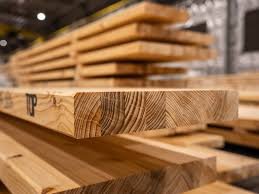
Gỗ thế hệ tiếp theo đang định nghĩa lại ngành công nghiệp gỗ bằng cách kết hợp tính bền vững, kỹ thuật hiện đại và tính đa dạng về mặt thẩm mỹ. Phạm vi ứng dụng rộng rãi của nó—từ xây dựng và nội thất đến thiết kế nội thất và sử dụng trong công nghiệp—làm cho nó trở thành một vật liệu mang tính cách mạng cho các dự án hiện đại. Khi nhu cầu về vật liệu thân thiện với môi trường và gỗ hiệu suất cao Với sự gia tăng này, Next-Gen Timber sẵn sàng dẫn đầu tương lai của các giải pháp gỗ bền vững trên toàn thế giới.