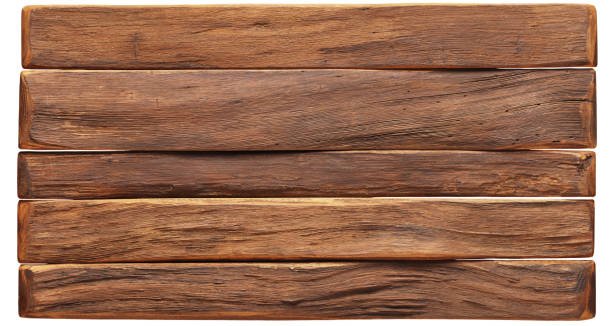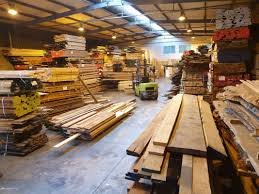
Gỗ là một vật liệu thiết yếu trong nền văn minh nhân loại suốt nhiều thế kỷ, được trân trọng vì độ bền, tính đa dụng và vẻ đẹp tự nhiên. Ngày nay, Gỗ EcoSmart Sản phẩm này đại diện cho thế hệ tiếp theo của các sản phẩm gỗ bền vững, kết hợp kỹ thuật tiên tiến với trách nhiệm môi trường. Những vật liệu tiên tiến này lý tưởng cho xây dựng, nội thất, thiết kế nội thất và các ứng dụng công nghiệp, mang lại độ bền, tính thẩm mỹ và các giải pháp thân thiện với môi trường.
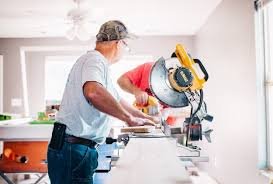
Gỗ EcoSmart là gì?
Gỗ EcoSmart Thuật ngữ này đề cập đến các sản phẩm gỗ được chế tạo hoặc xử lý để cải thiện hiệu suất đồng thời giảm thiểu tác động đến môi trường. Không giống như gỗ truyền thống, các vật liệu này được thiết kế để chống lại độ ẩm, sâu bệnh, cong vênh và mục nát. Chúng duy trì chất lượng đồng nhất, làm cho chúng phù hợp với các ứng dụng chính xác và hiệu suất cao trong kiến trúc hiện đại, sản xuất đồ nội thất và sản xuất công nghiệp.
Các loại gỗ EcoSmart
1. Gỗ EcoSmart được thiết kế
Gỗ kỹ thuật được sản xuất bằng cách kết hợp các lớp ván gỗ hoặc sợi gỗ để tăng cường độ bền, độ ổn định và độ chắc chắn:
- Gỗ dán nhiều lớp (CLT): Tấm panel kết cấu lớn dùng cho xây dựng bền vững.
- Gỗ dán nhiều lớp (LVL): Dầm cường độ cao dùng cho công trình xây dựng.
- Ván ép: Tấm nhiều lớp dùng cho đồ nội thất, sàn nhà và kiến trúc trang trí.
2. Gỗ tổng hợp EcoSmart
Gỗ composite là sự kết hợp giữa sợi gỗ với nhựa hoặc chất dẻo để tăng cường khả năng chống ẩm và độ bền:
- Ván sợi mật độ trung bình (MDF): Ván gỗ nhẵn, đồng đều, thích hợp cho đồ nội thất và tủ kệ.
- Ván sợi định hướng (OSB): Các tấm ván chắc chắn dùng cho tường, mái nhà và sàn nhà.
- Vật liệu composite gỗ-nhựa (WPC): Đồ nội thất ngoài trời bền chắc, ván lót sàn và các ứng dụng công nghiệp.

3. Sản phẩm gỗ chuyên dụng thân thiện với môi trường EcoSmart
Các sản phẩm gỗ chuyên dụng được chế tạo cho các mục đích cụ thể, bao gồm tính thẩm mỹ, khả năng chống ẩm và thân thiện với môi trường:
- Ván lạng và ván ép: Các chi tiết trang trí phù hợp cho nội thất hiện đại.
- Gỗ đã qua xử lý nhiệt: Chống ẩm, chống mục nát và chống côn trùng.
- Ván không chứa Formaldehyde: Các lựa chọn an toàn, thân thiện với môi trường cho các ứng dụng trong nhà.
Ứng dụng của gỗ thông minh
- Sự thi công: Dầm, tấm, ván sàn và các cấu kiện kết cấu khác cho các công trình xây dựng bền vững.
- Nội thất: Những tấm ván bền chắc, kiểu dáng đẹp mắt, thích hợp làm bàn, tủ và ghế.
- Thiết kế nội thất: Tấm ốp tường, ván lạng và các bề mặt trang trí.
- Ứng dụng trong công nghiệp: Tấm cách âm, dụng cụ và vật liệu đóng gói.
- Kiến trúc thân thiện với môi trường: Hỗ trợ các hoạt động xây dựng thân thiện với môi trường và giảm lượng khí thải carbon.
Lợi ích của gỗ EcoSmart
- Tính bền vững: Được làm từ các nguồn tài nguyên tái tạo và quy trình thân thiện với môi trường.
- Độ bền: Được thiết kế để chống lại các tác động từ môi trường, sâu bệnh và sự hao mòn.
- Tính linh hoạt: Thích hợp cho các ứng dụng xây dựng, trang trí nội thất, đồ gỗ và công nghiệp.
- Giá trị thẩm mỹ: Kết hợp vẻ đẹp tự nhiên của gỗ với các chi tiết hoàn thiện hiện đại.
- Trách nhiệm bảo vệ môi trường: Giảm lượng khí thải carbon và thúc đẩy các sáng kiến xây dựng xanh.
Xu hướng tương lai của gỗ sinh thái thông minh
Tương lai của Gỗ EcoSmart Bao gồm:
- Vật liệu composite gỗ in 3D: Các hình dạng tùy chỉnh dành cho các dự án nội thất, xây dựng và công nghiệp.
- Vật liệu lai: Kết hợp gỗ với nhựa tái chế hoặc sợi tự nhiên để tăng độ bền.
- Lớp phủ thông minh: Bề mặt chống cháy, chống thấm nước và cách nhiệt.
- Những đổi mới thân thiện với môi trường: Ván ép phát thải thấp, không chứa formaldehyde, tạo môi trường trong nhà lành mạnh hơn.
Những cải tiến này đảm bảo rằng Gỗ thông minh Tiếp tục định hình lại các ứng dụng xây dựng, nội thất và công nghiệp bền vững trên toàn cầu.

Phần kết luận
Gỗ EcoSmart Chúng đại diện cho sự kết hợp hoàn hảo giữa tính bền vững, độ bền và sự đổi mới. Với các ứng dụng trong xây dựng, nội thất, trang trí nội thất và công nghiệp, những vật liệu này mang đến các giải pháp hiệu suất cao đồng thời bảo vệ môi trường. Bằng cách lựa chọn... Gỗ thông minh, Các kiến trúc sư, nhà thiết kế và nhà xây dựng có thể tạo ra hiện đại, Những dự án thân thiện với môi trường và bền vững cho tương lai.