Gỗ trong thời đại thiết kế hiện đại
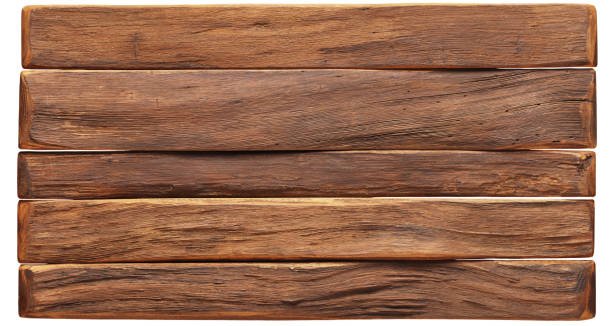
Gỗ đã phát triển từ một vật liệu xây dựng truyền thống trở thành yếu tố trung tâm trong kiến trúc và thiết kế nội thất hiện đại. Ngày nay, gỗ tiên tiến Các giải pháp này kết hợp vẻ đẹp tự nhiên với kỹ thuật tiên tiến để mang lại độ bền, tính linh hoạt và tính bền vững. Những vật liệu này cho phép các nhà thiết kế và nhà xây dựng tạo ra những không gian nội thất không chỉ phong cách mà còn bền bỉ và thân thiện với môi trường. Từ những ngôi nhà hiện đại đến các không gian thương mại, xu hướng gỗ hiện đại đang định hình tương lai của thẩm mỹ nội thất.

Kỹ thuật chế biến gỗ tiên tiến đảm bảo độ bền
Các giải pháp gỗ hiện đại được thiết kế để chống lại các vấn đề thường gặp như cong vênh, nứt nẻ và hư hại do độ ẩm. Tấm gỗ dán nhiều lớp, ván gỗ kỹ thuật và ván composite có độ bền và ổn định vượt trội, lý tưởng cho sàn nhà, tấm ốp tường, đồ nội thất và tủ kệ. Độ bền này đảm bảo hiệu suất lâu dài, cho phép cả các dự án nhà ở và thương mại duy trì vẻ đẹp và chức năng theo thời gian.
Tính linh hoạt về thẩm mỹ và thiết kế theo yêu cầu
Vật liệu gỗ công nghệ cao mang đến vô vàn khả năng thiết kế. Bề mặt hoàn thiện có thể đa dạng, từ vân gỗ tự nhiên đến bề mặt sơn hoặc tạo vân, phù hợp với phong cách nội thất tối giản, mộc mạc hoặc sang trọng. Các nhà thiết kế có thể tạo hình, cắt và ghép lớp gỗ để làm đồ nội thất đặt riêng, tấm trang trí, vách ngăn và các kiểu lát sàn độc đáo. Sự linh hoạt này cho phép tạo ra những không gian nội thất sáng tạo, độc nhất vô nhị, kết hợp giữa sự sang trọng và tính thực dụng.
Giải pháp gỗ thân thiện với môi trường
Tính bền vững là trọng tâm chính trong các xu hướng gỗ hiện đại. Nhiều sản phẩm được làm từ sợi gỗ tái chế hoặc gỗ có nguồn gốc bền vững, giúp giảm nạn phá rừng. Keo dán có hàm lượng VOC thấp và các phương pháp xử lý không chứa formaldehyde giúp các vật liệu này an toàn cho môi trường trong nhà. Việc lựa chọn gỗ thân thiện với môi trường cho phép các nhà xây dựng và chủ nhà tạo ra những không gian nội thất đẹp, hiệu suất cao đồng thời hỗ trợ các hoạt động có trách nhiệm với môi trường.

Ứng dụng trong các không gian hiện đại
Các giải pháp sử dụng gỗ hiện đại rất linh hoạt, phù hợp với nhiều ứng dụng khác nhau. Trong nhà ở, chúng lý tưởng cho sàn nhà, tủ bếp, tấm ốp tường, trần nhà và đồ nội thất. Trong các dự án thương mại—văn phòng, khách sạn, nhà hàng và cửa hàng bán lẻ—chúng mang lại độ bền, tính nhất quán trong thiết kế và vẻ đẹp thẩm mỹ. Gỗ cũng có thể được sử dụng cho vách ngăn, kệ và các yếu tố trang trí, trở thành giải pháp thiết thực và phong cách cho mọi không gian.
Khả năng chống ẩm và bảo trì
Gỗ công nghệ cao được thiết kế để chịu được độ ẩm, hơi nước và sự thay đổi nhiệt độ, rất phù hợp cho nhà bếp, phòng tắm và các khu vực bán ngoài trời. Lớp hoàn thiện ít cần bảo dưỡng cho phép dễ dàng sửa chữa hoặc làm mới các vết trầy xước và vết lõm nhỏ, giữ gìn vẻ đẹp và chức năng của gỗ theo thời gian. Những đặc tính này làm cho gỗ hiện đại vừa thiết thực vừa tiết kiệm chi phí khi sử dụng lâu dài.
Những ưu điểm chính của xu hướng gỗ hiện đại
- Độ bền và tính ổn định cấu trúc vượt trội
- Chống ẩm và chịu được sự thay đổi của môi trường.
- Đa dạng về chất liệu, bề mặt hoàn thiện và khả năng thiết kế.
- Thân thiện với môi trường và có nguồn gốc bền vững
- Thích hợp cho ứng dụng dân dụng và thương mại.
- Ít cần bảo trì và dễ sửa chữa.
- Kết hợp tính thẩm mỹ với chức năng thực tiễn.

Phần kết luận:
Các xu hướng gỗ tiên tiến đang làm thay đổi nội thất hiện đại bằng cách kết hợp độ bền, tính linh hoạt, tính bền vững và vẻ đẹp. Từ sàn nhà và đồ nội thất đến tấm ốp tường và trần nhà, những vật liệu sáng tạo này mang đến các giải pháp lâu dài, chức năng và phong cách. Việc kết hợp gỗ hiện đại vào các dự án nhà ở và thương mại đảm bảo không gian đẹp mắt, bền bỉ và... có trách nhiệm với môi trường— Hoàn hảo cho kiến trúc đương đại ngày nay.