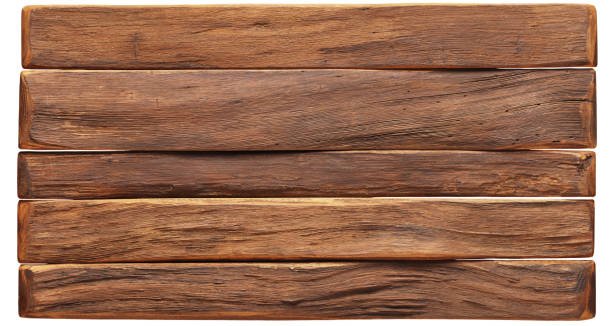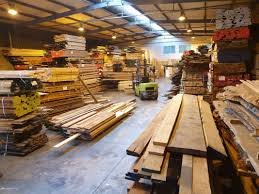
Trong thời đại mà công nghệ định hình từng nhịp đập của sự tiến bộ, vẫn còn một yếu tố giữ gìn bản chất của sự sống, sự ấm áp và tính liên tục — gỗ. Đó là chất thơ của thiên nhiên được hiện thực hóa thành cấu trúc, một cây cầu sống động nối liền đất mẹ và trí tưởng tượng.
Từ những khu rừng cao vút thổi hơi thở cho hành tinh của chúng ta đến những thiết kế tinh xảo định hình nên vẻ đẹp hiện đại, gỗ vừa mang nét cổ xưa vừa mang hơi hướng tương lai — một cuộc đối thoại vượt thời gian giữa thiên nhiên và sự sáng tạo của con người.
Nguồn gốc của sự hài hòa
Câu chuyện về gỗ không bắt đầu trong các nhà máy hay phòng thí nghiệm, mà bắt đầu từ... Rừng - những kiến trúc sư nguyên thủy của hành tinh. Mỗi cây là một nhân chứng thầm lặng cho hàng thế kỷ gió, mưa và nắng, ghi lại lịch sử trong những vòng sinh trưởng của nó.
Trong hàng nghìn năm, nhân loại đã xây dựng nên nhiều công trình từ món quà của thiên nhiên: từ những con tàu Viking chinh phục đại dương đến những ngôi đền gỗ ở châu Á đã tồn tại hàng nghìn năm. Gỗ là nền tảng của nơi trú ẩn, nghệ thuật và tín ngưỡng — một vật liệu không chỉ mang lại sức mạnh mà còn... linh hồn.
Ngay cả trong thế giới thép và kính hiện đại ngày nay, gỗ vẫn thì thầm một chân lý cổ xưa: sự tiến bộ phải bắt nguồn từ thiên nhiên.
Khoa học về vật liệu sống
Khác với bất kỳ vật liệu nào khác, gỗ có những đặc tính riêng biệt. vẫn còn sống ngay cả sau khi thu hoạch. Nó thở, điều chỉnh và tương tác với môi trường xung quanh. Cấu trúc vi mô của nó — bao gồm lignin, cellulose và các sợi tự nhiên — mang lại cho nó sự linh hoạt và khả năng phục hồi mà các vật liệu tổng hợp chỉ có thể bắt chước.
Hơn nữa, gỗ là thông minh carbon. Khi cây cối phát triển, chúng hấp thụ và lưu trữ khí carbon dioxide, giữ chặt nó trong các thớ gỗ. Mỗi mét khối gỗ ngăn chặn gần một tấn CO₂ xâm nhập vào khí quyển — một kỳ tích tự nhiên biến rừng thành những đồng minh mạnh mẽ trong việc bảo vệ khí hậu.
Khi rừng được quản lý và trồng lại một cách có trách nhiệm, gỗ sẽ trở thành một phần của hệ sinh thái. chu kỳ tự tái tạo, Cân bằng giữa tiến bộ công nghiệp và phục hồi môi trường.
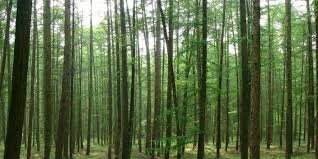
Sự trỗi dậy của vẻ đẹp tinh tế trong thiết kế
Ngày nay, sự đổi mới đã mở ra một chương mới trong câu chuyện về gỗ: gỗ kỹ thuật. Nhờ các kỹ thuật hiện đại, gỗ không còn bị giới hạn bởi kích thước, độ bền hay khí hậu. Các sản phẩm như... Gỗ dán nhiều lớp (CLT), Gỗ dán nhiều lớp (LVL), Và Ván ép MDF đã tạo nên cuộc cách mạng trong lĩnh vực xây dựng và thiết kế.
Những vật liệu này kết hợp kỹ thuật chính xác với trí tuệ tự nhiên, tạo ra các cấu trúc nhẹ hơn, chắc chắn hơn và bền vững hơn so với các lựa chọn truyền thống.
Những tòa nhà chọc trời làm từ gỗ — từng là một giấc mơ — nay mọc lên khắp các thành phố như Tokyo, Vancouver và Vienna. Các kiến trúc sư trên thế giới đang khám phá lại điều đó. Vật liệu tiên tiến nhất của tương lai đang âm thầm phát triển trong rừng của chúng ta..
Kiến trúc cảm xúc: Nơi thiết kế giao thoa với thiên nhiên
Gỗ không chỉ có tính ứng dụng mà còn mang ý nghĩa cảm xúc. Vân gỗ, mùi hương và kết cấu của nó đánh thức các giác quan theo những cách mà thép và bê tông không bao giờ làm được.
Các nhà thiết kế nội thất gọi đây là thiết kế sinh thái — tạo ra những không gian kết nối con người với thế giới tự nhiên. Các nghiên cứu cho thấy môi trường bằng gỗ giúp giảm lo âu, cải thiện sự tập trung và thúc đẩy sức khỏe. Một căn phòng được xây dựng bằng gỗ mang lại cảm giác sống động bởi vì nó phản chiếu... nhịp đập của thiên nhiên.
Dù đó là một căn nhà gỗ mộc mạc hay một ngôi nhà tối giản hiện đại, gỗ không chỉ định hình không gian mà còn định hình tâm trạng, ký ức và sự bình yên.
Gỗ thông minh: Bước tiến tiếp theo
Sự phát triển của gỗ vẫn tiếp tục trong thời đại kỹ thuật số. Các nhà khoa học và kỹ sư hiện đang kết hợp các vật liệu tự nhiên với... công nghệ thông minh Tạo ra loại gỗ có khả năng thích nghi, bảo vệ và thậm chí là suy nghĩ.
Nhờ công nghệ nano và các lớp phủ tiên tiến, gỗ giờ đây có thể chống cháy, chống ẩm và chống mục nát — đồng thời vẫn giữ được vẻ đẹp tự nhiên của nó. Các cảm biến thông minh được tích hợp trong các tấm gỗ có thể điều chỉnh chất lượng không khí, theo dõi độ ẩm và nâng cao hiệu quả năng lượng.
Những ngôi nhà của tương lai sẽ được xây dựng bằng gỗ thông minh — Những công trình kiến trúc sống hòa hợp với môi trường, giảm thiểu lãng phí năng lượng và nâng cao sự thoải mái một cách tự nhiên.
Nghề thủ công tuần hoàn: Một tương lai không chất thải
Ngành công nghiệp chế biến gỗ hiện đại, thân thiện với môi trường và đổi mới hoạt động dựa trên triết lý của... nền kinh tế tuần hoàn. Mỗi mảnh vụn, mẩu gỗ và mẩu dăm đều được tái sinh với mục đích – vỏ cây trở thành phân bón hoặc nhiên liệu sinh học, mùn cưa biến thành ván ép hoặc năng lượng, và các phế liệu được tái chế thành những thiết kế mới.
Chu trình bền vững này đảm bảo không có gì bị lãng phí trong quá trình. Nó phản ánh hoàn hảo hệ thống tự nhiên của chính nó — nơi mỗi kết thúc đều trở thành một khởi đầu mới..
Các công ty như Lulimall Họ đang dẫn đầu sự chuyển đổi này, kết hợp sự tinh thông nghề mộc truyền thống với độ chính xác kỹ thuật số để tạo ra các sản phẩm chất lượng cao, thân thiện với môi trường, tôn trọng cả nghề thủ công và hành tinh.

Sự tiếp xúc giữa người với người trong thời đại kỹ thuật số
Ngay cả khi robot và trí tuệ nhân tạo đang cách mạng hóa ngành sản xuất, linh hồn của nghề mộc vẫn mang đậm tính nhân văn. Trực giác của người thợ thủ công — cách họ đọc vân gỗ, cảm nhận độ chắc chắn và hiểu được câu chuyện ẩn chứa trong từng tấm ván — không thể được máy móc sao chép.
Các nghệ nhân ngày nay làm việc song hành cùng công nghệ, chứ không phải né tránh nó. Họ kết hợp... Kỹ thuật cổ xưa kết hợp với công cụ hiện đại, Điều này chứng minh rằng sự tiến bộ không xóa bỏ truyền thống mà chỉ làm cho truyền thống thêm phần hoàn thiện.
Tinh thần vượt thời gian của gỗ
Gỗ sở hữu một món quà hiếm có — nó càng già đi càng đẹp. Theo thời gian, màu sắc, kết cấu và độ ấm của nó càng thêm đậm đà. Nó mang dấu ấn của thời gian, hấp thụ những câu chuyện của mỗi bàn tay chạm vào nó.
Nó nhắc nhở chúng ta rằng sự không hoàn hảo chính là vẻ đẹp, và sự lão hóa là nghệ thuật. Trong một thế giới tiêu dùng nhanh, gỗ là minh chứng cho độ bền, sự trường tồn và vẻ đẹp thanh lịch thầm lặng.
Tương lai bắt nguồn từ rừng
Trong hành trình tìm kiếm sự cân bằng giữa tiến bộ và bảo tồn, rừng vẫn là người thầy vĩ đại nhất của chúng ta. Rừng dạy chúng ta sự kiên nhẫn, hợp tác và tái sinh – những giá trị mà gỗ thể hiện.
Bằng cách sử dụng gỗ bền vững, chúng ta không chỉ đơn thuần lựa chọn vật liệu; chúng ta đang lựa chọn một cách sống lành mạnh. triết lý — một nền văn hóa tôn vinh sự sáng tạo mà không kèm theo sự phá hủy.
Từ những khu rừng cổ đại đến những tòa tháp tương lai, từ những món đồ nội thất giản dị đến những sản phẩm thủ công kỹ thuật số, gỗ vẫn tiếp tục định hình câu chuyện của nền văn minh — vượt thời gian, có thể tái tạo và tràn đầy cảm xúc.
Kết luận: Trí tuệ của thiên nhiên, tương lai của nhân loại
Gỗ không chỉ là vật liệu chúng ta dùng để xây dựng — mà nó chính là vật liệu chúng ta dùng để xây dựng nên. vì. Điều đó phản ánh sự tôn trọng của chúng ta đối với thiên nhiên và trách nhiệm của chúng ta đối với các thế hệ tương lai.
Đó là âm nhạc của đất mẹ được hiện thực hóa thành hình hài — mạnh mẽ nhưng duyên dáng, khiêm nhường nhưng hùng vĩ.
Trong từng đường nét và từng thớ gỗ, ta được nhắc nhở về bản chất của mình: một phần của hành tinh sống, có khả năng tạo ra vẻ đẹp mà không cướp đi sự sống của nó.