
การแนะนำ
ทั่วโลก อุตสาหกรรมเฟอร์นิเจอร์ อุตสาหกรรมนี้สะท้อนให้เห็นถึงวิถีชีวิต วัฒนธรรม และแนวโน้มทางเศรษฐกิจมาโดยตลอด และในปี 2025 อุตสาหกรรมนี้กำลังเผชิญกับการเปลี่ยนแปลงครั้งใหญ่ที่ได้รับอิทธิพลจากหลายปัจจัย ความยั่งยืน นวัตกรรมดิจิทัล และความต้องการของผู้บริโภคที่เปลี่ยนแปลงไป. ตั้งแต่การใช้วัสดุที่เป็นมิตรต่อสิ่งแวดล้อมไปจนถึงโซลูชันเฟอร์นิเจอร์อัจฉริยะ ผู้ผลิตทั่วโลกกำลังคิดใหม่เกี่ยวกับวิธีการออกแบบ ผลิต และบริโภคเฟอร์นิเจอร์.
ภาพรวมตลาด
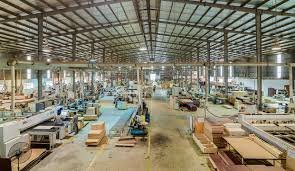
อุตสาหกรรมเฟอร์นิเจอร์ระดับโลกเป็นภาคธุรกิจมูลค่าหลายล้านล้านดอลลาร์ โดยมีความต้องการเพิ่มขึ้นอย่างต่อเนื่องเนื่องจากการขยายตัวของเมือง รายได้ที่ใช้จ่ายได้เพิ่มขึ้น และการเติบโตของอสังหาริมทรัพย์ จากการวิจัยตลาด คาดการณ์ว่าอุตสาหกรรมเฟอร์นิเจอร์ระดับโลกจะเติบโตขึ้นอย่างต่อเนื่อง 1,400 ล้านล้านภายในปี 2030, โดยได้รับแรงขับเคลื่อนจากทั้งช่องทางการขายแบบดั้งเดิมและช่องทางการขายออนไลน์.
แนวโน้มสำคัญที่กำหนดทิศทางของอุตสาหกรรม
1. ความยั่งยืนและวัสดุที่เป็นมิตรต่อสิ่งแวดล้อม
ผู้บริโภคต้องการเฟอร์นิเจอร์ที่ไม่เพียงแต่มีสไตล์ แต่ยังเป็นมิตรต่อสิ่งแวดล้อมด้วย บริษัทต่างๆ จึงหันมาใช้:
- แผ่นไม้ปลอดสารฟอร์มาลดีไฮด์
- วัสดุรีไซเคิล (โลหะ พลาสติก สิ่งทอ)
- ไม้ที่ได้รับการรับรองว่ามาจากแหล่งที่ยั่งยืน (FSC, PEFC)
- สีเคลือบที่มีสารประกอบอินทรีย์ระเหยง่ายต่ำ (Low-VOC finishes)
การเปลี่ยนแปลงนี้เกิดขึ้นอย่างชัดเจนโดยเฉพาะในอเมริกาเหนือ ยุโรป และเอเชียแปซิฟิก ซึ่งการรับรองมาตรฐานด้านสิ่งแวดล้อมมีอิทธิพลต่อการตัดสินใจซื้อ.
2. เฟอร์นิเจอร์อัจฉริยะและใช้งานได้หลากหลาย
เนื่องจากพื้นที่อยู่อาศัยมีขนาดเล็กลงเรื่อยๆ, เฟอร์นิเจอร์อเนกประสงค์ เฟอร์นิเจอร์พับได้ เช่น โซฟาเบด ชั้นวางของแบบโมดูลาร์ และโต๊ะพับได้ กำลังเป็นที่ต้องการอย่างมาก ในขณะเดียวกัน, เฟอร์นิเจอร์อัจฉริยะ การติดตั้งอุปกรณ์ที่มีพอร์ตชาร์จไฟ ลำโพงไร้สาย หรือคุณสมบัติที่ปรับได้ตามหลักสรีรศาสตร์ กำลังกลายเป็นเรื่องปกติ.
3. อีคอมเมิร์ซและการปรับแต่งตามความต้องการ
ยอดขายเฟอร์นิเจอร์ออนไลน์กำลังเฟื่องฟู โดยมีแพลตฟอร์มต่างๆ นำเสนอสินค้ามากมาย เครื่องมือ AR/VR เพื่อแสดงภาพผลิตภัณฑ์แบบเรียลไทม์ ในขณะเดียวกัน ผู้บริโภคก็ต้องการมากกว่านั้น โซลูชันที่ปรับแต่งเฉพาะบุคคล, ซึ่งเป็นแรงผลักดันให้เกิดการเติบโตใน การผลิตเฟอร์นิเจอร์ตามสั่ง.
4. แหล่งการเติบโตที่สำคัญในระดับภูมิภาค
- ภูมิภาคเอเชียแปซิฟิก: ภูมิภาคที่มีการเติบโตเร็วที่สุด นำโดยจีน อินเดีย และเวียดนาม.
- อเมริกาเหนือและยุโรป: ความต้องการเฟอร์นิเจอร์ที่เป็นมิตรต่อสิ่งแวดล้อมและเฟอร์นิเจอร์ระดับพรีเมียมมีสูงมาก.
- ตะวันออกกลางและแอฟริกา: ความสนใจเพิ่มสูงขึ้นเนื่องจากการขยายตัวของเมืองอย่างรวดเร็วและโครงการที่อยู่อาศัยใหม่ๆ.
5. เศรษฐกิจหมุนเวียนและการรีไซเคิล
แนวคิดของ การรีไซเคิล อัพไซเคิล และการขายต่อเฟอร์นิเจอร์ กำลังได้รับความนิยมมากขึ้น แบรนด์ต่างๆ เริ่มเปิดตัว "โครงการรับคืนสินค้า" เพื่อลดขยะและสนับสนุนเศรษฐกิจหมุนเวียน.
ความท้าทายที่อุตสาหกรรมกำลังเผชิญ
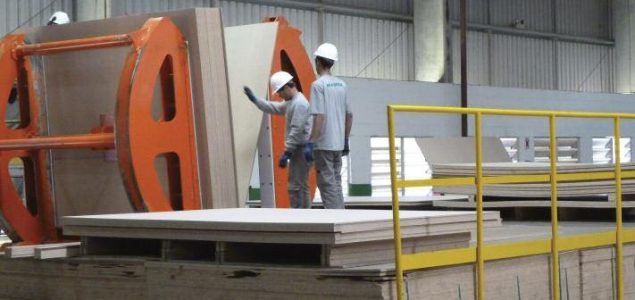
- การหยุดชะงักของห่วงโซ่อุปทาน: ปัญหาด้านโลจิสติกส์และการขาดแคลนวัตถุดิบส่งผลกระทบต่อราคา.
- การแข่งขันสูง: ทั้งบริษัทยักษ์ใหญ่ระดับโลกและผู้ผลิตในท้องถิ่นต่างแข่งขันกันเพื่อแย่งชิงส่วนแบ่งทางการตลาด.
- แรงกดดันด้านต้นทุน: วัสดุที่เป็นมิตรต่อสิ่งแวดล้อมมักทำให้ต้นทุนการผลิตสูงขึ้น.
แนวโน้มในอนาคต
อนาคตของอุตสาหกรรมเฟอร์นิเจอร์ขึ้นอยู่กับ... ความยั่งยืน การแปลงเป็นดิจิทัล และความยืดหยุ่น. บริษัทที่นำไปใช้ การผลิตที่เป็นมิตรต่อสิ่งแวดล้อม เทคโนโลยีอัจฉริยะ และการปรับแต่งตามความต้องการ จะมีข้อได้เปรียบในการแข่งขันที่ชัดเจน.
เมื่อความตระหนักด้านสิ่งแวดล้อมเพิ่มมากขึ้น แผ่นไม้ปลอดสารฟอร์มาลดีไฮด์ วัสดุรีไซเคิล และเฟอร์นิเจอร์อัจฉริยะที่ล้ำสมัย มีแนวโน้มที่จะครองตลาดในทศวรรษหน้า.
บทสรุป
เดอะ อุตสาหกรรมเฟอร์นิเจอร์ในปี 2025 สะท้อนให้เห็นถึงการเปลี่ยนแปลงระดับโลกไปสู่โซลูชันที่ยั่งยืน ชาญฉลาด และมุ่งเน้นลูกค้า ผู้ผลิตและซัพพลายเออร์ที่ยอมรับการเปลี่ยนแปลงเหล่านี้ไม่เพียงแต่ตอบสนองความคาดหวังของผู้บริโภคเท่านั้น แต่ยังสร้างแบบจำลองธุรกิจที่ยืดหยุ่นและพร้อมสำหรับอนาคตอีกด้วย.