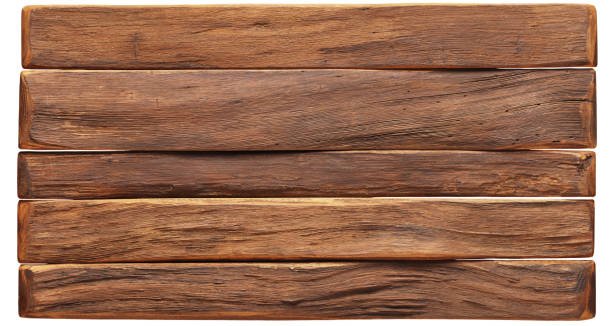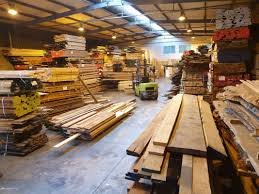
Wood has always been an essential natural resource, but modern technology has transformed it into a high-performance material capable of meeting today’s industrial, architectural, and environmental demands. Future-ready timber represents a new generation of wood products engineered for advanced durability, structural strength, and sustainability. These innovative materials are shaping the future of construction, furniture, interior design, and green manufacturing.
What Is Future-Ready Timber?
Future-ready timber refers to wood materials enhanced through engineering, chemical-free treatments, and eco-smart manufacturing. These materials offer improved performance in areas where traditional wood falls short—such as moisture resistance, stability, fire safety, and environmental impact.
This new category of wood helps industries build stronger, smarter, and more sustainable products without compromising natural beauty.
Key Features of Future-Ready Timber
1. Superior Strength and Stability
Engineered structures like CLT (Cross-Laminated Timber) and LVL (Laminated Veneer Lumber) provide remarkable load-bearing capacity, making wood suitable even for high-rise buildings.
2. High Moisture and Pest Resistance
Heat-treated and composite technologies ensure wood stays strong, stable, and protected from insects and decay.
3. Eco-Friendly and Low Carbon
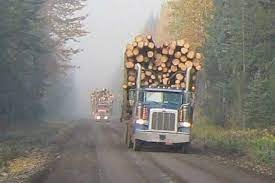
Future-ready timber comes from renewable forests and clean manufacturing processes. Many products are formaldehyde-free and environmentally certified.
4. Aesthetic Versatility
These materials combine natural wood beauty with customizable finishes for modern interior and architectural designs.
5. Long Service Life
Advanced engineering extends lifespan, reduces maintenance, and improves overall performance.
Popular Types of Future-Ready Timber
1. Engineered Structural Wood
- Laminated Veneer Lumber (LVL)
- Cross-Laminated Timber (CLT)
- Glulam beams
These materials are widely used in sustainable construction projects.
2. Composite Wood Solutions
- WPC (Wood Plastic Composite)
- High-density fiber boards
- Furniture-grade engineered panels
Ideal for furniture, cabinets, and outdoor structures.
3. Eco-Treated Specialty Wood
- Thermally modified timber
- Carbonized wood
- Formaldehyde-free decorative boards
Perfect for interiors, flooring, and design-focused applications.

Applications of Future-Ready Timber
Construction
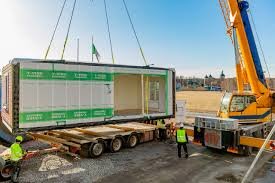
Used in beams, walls, floors, sustainable buildings, and modular structures.
Furniture Manufacturing
Delivers strong, lightweight, and aesthetic furniture solutions.
Interior & Architectural Design
Decorative wall panels, ceiling tiles, flooring, and luxury veneers.
Industrial Applications
Packaging, soundproofing panels, and precise engineered components.
Why Industries Prefer Future-Ready Timber
- Enhances project durability
- Reduces carbon footprint
- Supports green building certifications
- Offers consistent quality and performance
- Ensures long-term cost savings
As environmental regulations become stricter, industries increasingly prefer sustainable timber solutions.
บทสรุป
Future-ready timber is transforming the wood industry by combining natural beauty with advanced performance and sustainability. Its strength, versatility, and eco-friendly characteristics make it a leading choice for modern construction, interior design, furniture manufacturing, and industrial applications. As innovation continues, these smart wood materials will play an even greater role in creating a greener, stronger, and more efficient world.