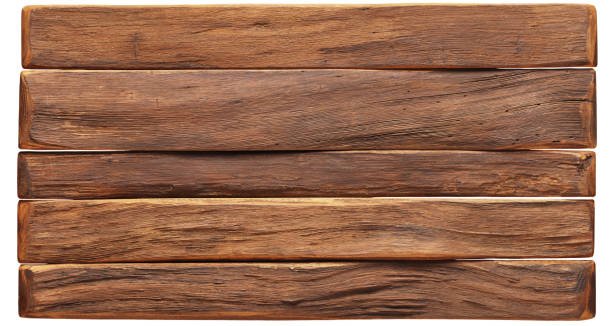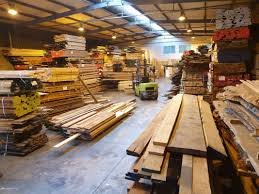
เดอะ อุตสาหกรรมไม้ อุตสาหกรรมนี้ได้ผ่านการเปลี่ยนแปลงครั้งสำคัญในช่วงหลายทศวรรษที่ผ่านมา จากเดิมที่เน้นการตัดไม้และงานไม้ขั้นพื้นฐาน ปัจจุบันอุตสาหกรรมนี้ให้ความสำคัญกับ... นวัตกรรม ความยั่งยืน และผลิตภัณฑ์วิศวกรรมประสิทธิภาพสูง. จาก การก่อสร้างและเฟอร์นิเจอร์ ถึง การออกแบบตกแต่งภายในและบ้านสำเร็จรูป, ไม้ได้กลายเป็นวัสดุอเนกประสงค์และเป็นมิตรต่อสิ่งแวดล้อมสำหรับการใช้งานในยุคปัจจุบัน.
1. แนวปฏิบัติที่เป็นมิตรต่อสิ่งแวดล้อมและยั่งยืน
ความยั่งยืนเป็นหัวใจสำคัญของอุตสาหกรรมไม้สมัยใหม่ บริษัทต่างๆ ในปัจจุบันให้ความสำคัญกับเรื่องต่อไปนี้:
- ใช้ไม้ที่ได้รับการรับรองว่ามาจากแหล่งที่ยั่งยืน (FSC, PEFC)
- ผลิตแผ่นไม้ที่ปราศจากฟอร์มาลดีไฮด์และปล่อยสารระเหยในปริมาณต่ำ
- การรีไซเคิลเศษไม้และผลพลอยได้ทางการเกษตร
- การลดการใช้พลังงานและปริมาณการปล่อยก๊าซคาร์บอนในกระบวนการผลิต
แนวทางปฏิบัติเหล่านี้ช่วยปกป้องสิ่งแวดล้อมไปพร้อมๆ กับการส่งมอบผลลัพธ์ที่ดี ผลิตภัณฑ์ไม้คุณภาพสูง ปลอดภัย สำหรับบ้านพักอาศัย สำนักงาน และโครงการเชิงพาณิชย์.
2. ความก้าวหน้าในด้านไม้แปรรูป
เทคโนโลยีไม้สมัยใหม่ได้ก่อให้เกิด... ไม้แปรรูป, ซึ่งมีความแข็งแรง ทนทาน และใช้งานได้หลากหลายกว่าไม้แบบดั้งเดิม ผลิตภัณฑ์ยอดนิยม ได้แก่:
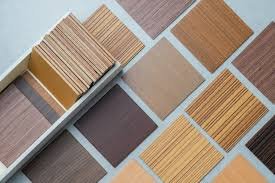
- OSB (แผ่นใยไม้อัดแบบเรียงตัว) และ OSB ที่พร้อมสำหรับการตกแต่งพื้นผิว
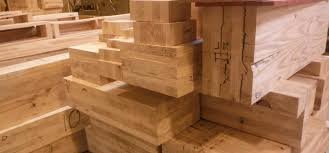
- แผ่นไม้ลามิเนต (LVL, LSL)
- ไม้อัดและแผ่นคอมโพสิต
- พื้นและแผ่นตกแต่ง
แผ่น OSB และแผ่นลามิเนตที่พร้อมสำหรับพื้นผิวเรียบ ช่วยให้สามารถ การตกแต่งพื้นผิวโดยตรง ติดตั้งง่าย และใช้งานได้หลากหลาย, ตั้งแต่เฟอร์นิเจอร์ไปจนถึงผนัง ตู้ และพื้น ปัจจุบันไม้แปรรูปได้รับการยอมรับอย่างกว้างขวางในด้านต่างๆ ความแข็งแรง ความทนทาน และความสวยงาม.
3. การผลิตไม้แบบอัจฉริยะและนวัตกรรมอุตสาหกรรม
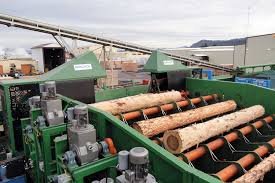
โรงงานแปรรูปไม้สมัยใหม่จ้างงาน ระบบการผลิตอัจฉริยะ ซึ่งผสานรวมระบบอัตโนมัติ หุ่นยนต์ และการตรวจสอบแบบดิจิทัล นิคมอุตสาหกรรมขนาดใหญ่มักดำเนินการภายใต้ระบบดังกล่าว “โมเดล ”จากต้นไม้สู่บ้าน”, โดยบริหารจัดการกระบวนการทั้งหมด ตั้งแต่ไม้ดิบจนถึงเฟอร์นิเจอร์หรือแผ่นไม้สำเร็จรูป.
ประโยชน์ของการผลิตไม้แบบอัจฉริยะ ได้แก่:
- ผลิตภัณฑ์มีความสม่ำเสมอและคุณภาพสูง
- ลดปริมาณขยะและผลกระทบต่อสิ่งแวดล้อม
- กระบวนการผลิตที่มีประสิทธิภาพสำหรับทั้งคำสั่งซื้อขนาดใหญ่และคำสั่งซื้อแบบกำหนดเอง
- ระยะเวลาดำเนินการที่รวดเร็วยิ่งขึ้น
นวัตกรรมทางอุตสาหกรรมเหล่านี้รับประกันว่า การผลิตไม้เป็นไปตามมาตรฐานความยั่งยืนและประสิทธิภาพที่ทันสมัย.
4. การวิจัย พัฒนา และนวัตกรรมผลิตภัณฑ์
การวิจัยและพัฒนาได้กลายเป็นหัวใจสำคัญของอุตสาหกรรมไม้ ทำให้บริษัทต่างๆ สามารถพัฒนาผลิตภัณฑ์ได้ ผลิตภัณฑ์ไม้ขั้นสูงและใช้งานได้จริง เช่น:
- แผงกันไฟ เพื่อความปลอดภัย
- พื้นผิวต้านจุลชีพและไวรัส
- แผ่นกันความชื้นและกันน้ำ
- แผ่น OSB น้ำหนักเบา ขนย้ายง่าย
- แผ่นคอมโพสิตที่เป็นมิตรต่อสิ่งแวดล้อม ผลิตจากวัสดุรีไซเคิล
การร่วมมือกับมหาวิทยาลัยและสถาบันวิจัยช่วยให้มั่นใจได้ว่าอุตสาหกรรมไม้จะยังคงอยู่ในระดับแนวหน้า ผู้นำด้านนวัตกรรม, โดยการสร้างผลิตภัณฑ์ที่ตรงตามทั้งมาตรฐานด้านประสิทธิภาพและสิ่งแวดล้อม.
5. การประยุกต์ใช้ในหลากหลายอุตสาหกรรม
ปัจจุบัน ผลิตภัณฑ์ไม้แปรรูปและผลิตภัณฑ์ไม้ที่ยั่งยืนถูกนำมาใช้กันอย่างแพร่หลายในด้านต่างๆ ดังนี้:
- อาคารที่พักอาศัย การตกแต่งภายใน และเฟอร์นิเจอร์
- พื้นที่สำนักงานเชิงพาณิชย์และพื้นที่ค้าปลีก
- การก่อสร้างแบบโมดูลาร์และสำเร็จรูป
- พื้น ผนัง และงานตกแต่งต่างๆ
- บรรจุภัณฑ์อุตสาหกรรมและการใช้งานเฉพาะทาง
ด้วยความอบอุ่นตามธรรมชาติ ความทนทาน และความอเนกประสงค์ของไม้ ทำให้ไม้เป็นวัสดุที่ได้รับความนิยมสำหรับ การก่อสร้างและการออกแบบสมัยใหม่.
บทสรุป
สมัยใหม่ อุตสาหกรรมไม้ รวมกัน ความยั่งยืน นวัตกรรมทางเทคโนโลยี และวัสดุประสิทธิภาพสูง เพื่อตอบสนองความต้องการของการก่อสร้าง การออกแบบตกแต่งภายใน และการผลิตเฟอร์นิเจอร์ในยุคปัจจุบัน ด้วยไม้แปรรูป แนวปฏิบัติที่เป็นมิตรต่อสิ่งแวดล้อม และเทคนิคการผลิตขั้นสูง อุตสาหกรรมนี้จึงยังคงเติบโตอย่างต่อเนื่อง นำระดับโลก แนวโน้ม, นำเสนอโซลูชันที่ปลอดภัย ทนทาน และสวยงาม สำหรับบ้าน สำนักงาน และพื้นที่เชิงพาณิชย์.