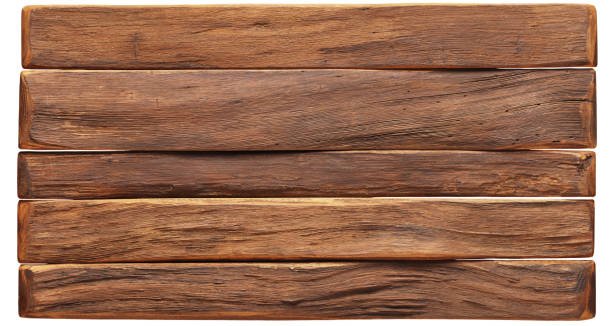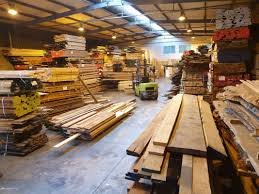
ไม้เป็นวัสดุหลักในการก่อสร้าง เฟอร์นิเจอร์ และการออกแบบมาอย่างยาวนาน ปัจจุบัน ด้วยความใส่ใจที่เพิ่มมากขึ้นในเรื่องความยั่งยืนและประสิทธิภาพ, ไม้แปรรูปที่เป็นมิตรต่อสิ่งแวดล้อม กำลังเปลี่ยนแปลงวิธีการที่เราใช้ประโยชน์จากวัสดุที่อยู่เหนือกาลเวลานี้ การผสมผสานไม้ธรรมชาติเข้ากับวิศวกรรมสมัยใหม่ ทำให้วัสดุเหล่านี้มีความทนทาน อเนกประสงค์ และเป็นมิตรต่อสิ่งแวดล้อมอย่างเหนือกว่า.

ไม้แปรรูปที่เป็นมิตรต่อสิ่งแวดล้อมคืออะไร?
ไม้แปรรูปที่เป็นมิตรต่อสิ่งแวดล้อม หมายถึงผลิตภัณฑ์ไม้ที่ผ่านกระบวนการผลิตหรือการแปรรูปเพื่อเพิ่มประสิทธิภาพพร้อมทั้งลดผลกระทบต่อสิ่งแวดล้อมให้น้อยที่สุด แตกต่างจากไม้แปรรูปแบบดั้งเดิม วัสดุเหล่านี้ได้รับการออกแบบมาเพื่อความแข็งแรง ทนต่อความชื้น คงรูปทรง และเป็นมิตรต่อสิ่งแวดล้อม เหมาะอย่างยิ่งสำหรับงานก่อสร้างสมัยใหม่ เฟอร์นิเจอร์ การตกแต่งภายใน และการใช้งานในอุตสาหกรรม.
ประเภทของไม้แปรรูปที่เป็นมิตรต่อสิ่งแวดล้อม
1. ผลิตภัณฑ์ไม้แปรรูป
ไม้แปรรูปผลิตขึ้นโดยการเชื่อมแผ่นไม้วีเนียร์หรือเส้นใยไม้หลายชั้นเข้าด้วยกัน เพื่อให้ได้แผ่นไม้ที่แข็งแรง ทนทาน และสม่ำเสมอ:
- ไม้ลามิเนตแบบไขว้ (CLT): แผ่นโครงสร้างสำหรับอาคารที่ยั่งยืน.
- ไม้ลามิเนตวีเนียร์ (LVL): คานเหล็กความแข็งแรงสูงสำหรับงานก่อสร้าง.
- ไม้อัด: แผ่นวัสดุหลายชั้นสำหรับทำเฟอร์นิเจอร์ พื้น และงานสถาปัตยกรรม.
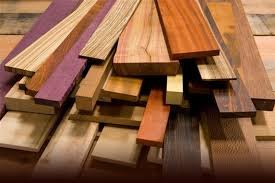
2. วัสดุไม้ผสม
ไม้คอมโพสิตเป็นการผสมผสานเส้นใยไม้กับเรซินหรือพลาสติกเพื่อสร้างแผ่นไม้ที่ทนทาน กันน้ำ และเป็นมิตรต่อสิ่งแวดล้อม:
- MDF (แผ่นใยไม้อัดความหนาแน่นปานกลาง): แผ่นไม้เรียบเนียนและใช้งานได้หลากหลาย เหมาะสำหรับทำเฟอร์นิเจอร์และตู้ต่างๆ.
- OSB (แผ่นใยไม้อัดแบบเรียงตัว): แผ่นวัสดุที่แข็งแรงทนทาน เหมาะสำหรับปูพื้น หลังคา และผนัง.
- วัสดุผสมไม้-พลาสติก (WPC): เหมาะสำหรับใช้ภายนอกอาคาร เช่น พื้นระเบียง เฟอร์นิเจอร์ และการใช้งานในอุตสาหกรรม.
3. ผลิตภัณฑ์ไม้ที่เป็นมิตรต่อสิ่งแวดล้อมเฉพาะทาง
ผลิตภัณฑ์ไม้ชนิดพิเศษได้รับการออกแบบมาเพื่อวัตถุประสงค์เฉพาะ เช่น การตกแต่ง การทนไฟ หรือการป้องกันความชื้น:
- วีเนียร์และลามิเนต: เพิ่มความสวยงามไปพร้อมกับการรักษาความทนทาน.
- ไม้ที่ผ่านกระบวนการปรับปรุงด้วยความร้อน: ทนทานต่อการผุพัง แมลง และความชื้น.
- กระดานที่ปราศจากฟอร์มาลดีไฮด์: ปลอดภัยและเป็นมิตรต่อสิ่งแวดล้อมสำหรับการใช้งานภายในอาคาร.
การประยุกต์ใช้ไม้แปรรูปที่เป็นมิตรต่อสิ่งแวดล้อม
- การก่อสร้าง: คาน แผ่นผนัง และพื้นแบบยั่งยืน สำหรับอาคารที่เป็นมิตรต่อสิ่งแวดล้อม.
- เฟอร์นิเจอร์: แผ่นไม้ที่ทนทานและมีสไตล์ เหมาะสำหรับงานออกแบบเฟอร์นิเจอร์สมัยใหม่.
- การออกแบบตกแต่งภายใน: แผ่นผนัง พื้นผิวตกแต่ง และวัสดุปิดผิวบาง.
- การใช้งานในอุตสาหกรรม: แผ่นกันเสียง เครื่องมือ และบรรจุภัณฑ์.
- สถาปัตยกรรมสีเขียว: สนับสนุนการออกแบบที่ประหยัดพลังงานและลดการปล่อยก๊าซคาร์บอนไดออกไซด์.
ประโยชน์ของไม้แปรรูปที่เป็นมิตรต่อสิ่งแวดล้อม
- ความยั่งยืน: ผลิตจากทรัพยากรหมุนเวียนที่มีผลกระทบต่อสิ่งแวดล้อมน้อยที่สุด.
- ความทนทาน: ออกแบบมาเพื่อทนต่อความชื้น แมลง และการสึกหรอ.
- ความอเนกประสงค์: เหมาะสำหรับงานก่อสร้าง ตกแต่งภายใน เฟอร์นิเจอร์ และงานอุตสาหกรรม.
- เป็นมิตรต่อสิ่งแวดล้อม: ช่วยลดการปล่อยก๊าซคาร์บอนไดออกไซด์และสนับสนุนโครงการอาคารสีเขียว.
แนวโน้มในอนาคต
อนาคตของ ไม้แปรรูปที่เป็นมิตรต่อสิ่งแวดล้อม รวมถึง:
- วัสดุผสมไม้พิมพ์ 3 มิติ: รูปทรงสั่งทำพิเศษสำหรับงานอุตสาหกรรมและสถาปัตยกรรม.
- วัสดุไฮบริด: การนำไม้มาผสมกับพลาสติกรีไซเคิลหรือเส้นใยธรรมชาติเพื่อเพิ่มความแข็งแรง.
- สารเคลือบอัจฉริยะ: พื้นผิวทนไฟ กันน้ำ และเป็นฉนวนกันความร้อน.
- นวัตกรรมที่เป็นมิตรต่อสิ่งแวดล้อม: แผ่นไม้ปล่อยสารเคมีต่ำ ปราศจากฟอร์มาลดีไฮด์ เพื่อความปลอดภัยยิ่งขึ้นสำหรับพื้นที่ภายในบ้าน.
นวัตกรรมเหล่านี้รับประกันว่า ไม้แปรรูปที่เป็นมิตรต่อสิ่งแวดล้อม ยังคงสร้างนิยามใหม่ให้กับการก่อสร้างที่ยั่งยืน เฟอร์นิเจอร์ และโซลูชันทางอุตสาหกรรมทั่วโลกอย่างต่อเนื่อง.
บทสรุป
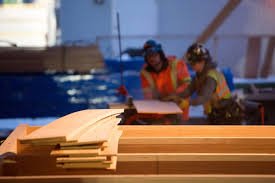
ไม้แปรรูปที่เป็นมิตรต่อสิ่งแวดล้อม เป็นการผสมผสานที่ลงตัวระหว่างความงามตามธรรมชาติ ความทนทาน และความยั่งยืน ด้วยการผสานวิศวกรรมสมัยใหม่เข้ากับแนวทางที่เป็นมิตรต่อสิ่งแวดล้อม วัสดุเหล่านี้จึงมอบโซลูชันที่หลากหลายและมีประสิทธิภาพสูงสำหรับงานก่อสร้าง การตกแต่งภายใน เฟอร์นิเจอร์ และอุตสาหกรรม ด้วยนวัตกรรมอย่างต่อเนื่อง, ไม้แปรรูปที่เป็นมิตรต่อสิ่งแวดล้อม มีบทบาทสำคัญในการกำหนดอนาคตของ การดำรงชีวิตอย่างยั่งยืน.