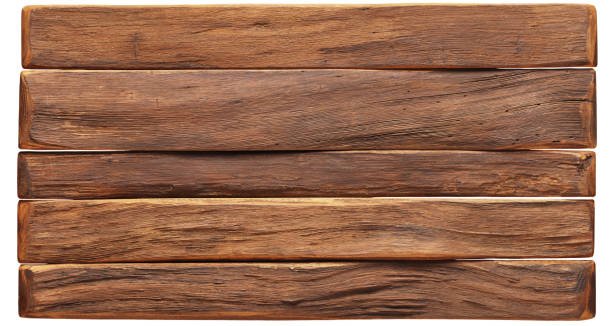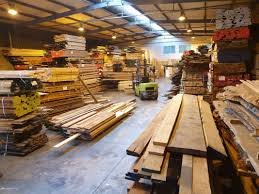
Wood has always been a fundamental material in human life, valued for its strength, natural beauty, and versatility. Today, sustainable timber innovations are reshaping the way we use wood in construction, furniture, and interior design. These modern wood materials combine eco-friendly practices with advanced engineering, delivering high-performance solutions for contemporary projects.

What Are Sustainable Timber Innovations?
Sustainable timber innovations are engineered, treated, or enhanced wood products designed to maximize performance while minimizing environmental impact. They are built to resist moisture, decay, pests, and warping, making them suitable for long-term use. These innovations also allow for precise, high-quality materials in construction, furniture, and industrial applications.
Types of Sustainable Timber Innovations
1. Engineered Timber
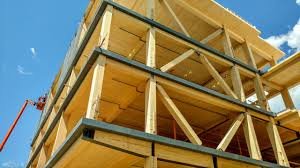
Engineered timber combines layers of wood or fibers for added strength and stability:
- Cross-Laminated Timber (CLT): Large panels for structural, eco-friendly construction.
- Laminated Veneer Lumber (LVL): Strong beams for buildings and furniture frameworks.
- Plywood: Multi-layered sheets for flooring, furniture, and interior design.
2. Composite Timber Materials
Composite wood mixes wood fibers with plastics or resins to enhance durability and moisture resistance:
- Medium-Density Fiberboard (MDF): Smooth boards for cabinetry and furniture.
- Oriented Strand Board (OSB): Strong panels for walls, flooring, and roofing.
- Wood-Plastic Composites (WPC): Outdoor decking, furniture, and industrial uses.
3. Specialty Sustainable Timber
Specialty wood products are designed for unique purposes:
- Thermally Modified Wood: Resistant to moisture, pests, and decay.
- Veneers & Laminates: Decorative finishes for interiors and furniture.
- Formaldehyde-Free Boards: Safe, eco-friendly options for indoor applications.
Applications of Sustainable Timber Innovations
- Construction: Panels, beams, and flooring for durable and eco-friendly buildings.
- Furniture: Stylish and long-lasting boards for tables, chairs, and cabinets.
- Interior Design: Wall panels, decorative surfaces, and veneers.
- Industrial Applications: Acoustic panels, tooling, and packaging.
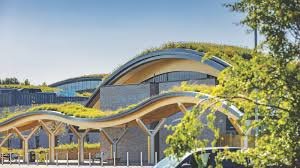
- Eco-Friendly Architecture: Materials that support low-carbon and energy-efficient designs.
Benefits of Sustainable Timber Innovations
- Eco-Friendly: Made from renewable resources and environmentally conscious processes.
- Durable: Engineered to resist moisture, pests, and environmental wear.
- Versatile: Suitable for construction, interiors, furniture, and industrial projects.
- Aesthetic: Combines natural wood beauty with modern finishes.
- Sustainable Future: Reduces carbon footprint and supports green building practices.
Future Trends
The future of sustainable timber innovations is driven by technology and sustainability:
- 3D-Printed Wood Composites: Custom shapes for construction and furniture.
- Hybrid Materials: Combining wood with recycled plastics or fibers for extra durability.
- Smart Wood Coatings: Fire-resistant, water-repellent, and thermally insulated surfaces.
- Eco-Conscious Innovations: Low-emission, formaldehyde-free boards for healthier indoor spaces.
These advancements make sustainable timber a key material for modern architecture, furniture, and industrial design.
Conclusion
Sustainable timber innovations offer the perfect combination of eco-friendliness, durability, and design flexibility. From construction and interiors to furniture and industrial applications, these advanced wood materials provide high-performance solutions for a modern, sustainable future. By adopting sustainable timber, industries can build a greener, stronger, and more innovative world.