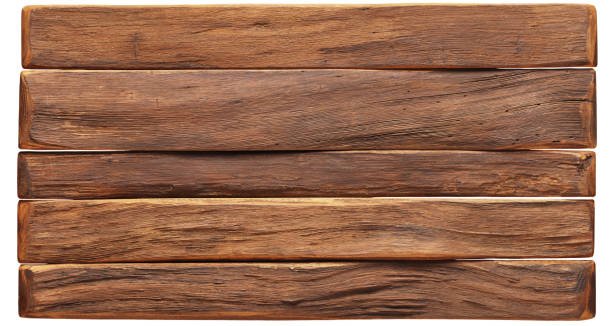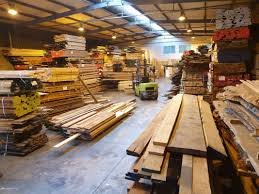
Wood has been a fundamental building material for centuries, valued for its strength, beauty, and versatility. Today, next-generation eco timber is transforming the industry by combining advanced engineering with sustainable practices. These innovative wood materials offer superior durability, environmental benefits, and design flexibility, making them ideal for modern construction, furniture, interior design, and industrial applications.

What Is Next-Generation Eco Timber?
Next-generation eco timber refers to wood products that are engineered, treated, or enhanced to improve strength, longevity, and sustainability. Unlike traditional timber, these materials are designed to resist moisture, pests, decay, and warping. They deliver consistent performance and high-quality finishes for both indoor and outdoor applications.
By integrating eco-friendly production methods, these timber solutions contribute to green building initiatives, reduce carbon footprints, and promote healthier indoor environments.
Key Features of Next-Generation Eco Timber
1. Sustainability
Produced using renewable resources, low-emission adhesives, and environmentally conscious manufacturing processes, next-generation eco timber is designed to minimize ecological impact.
2. Enhanced Durability
Advanced treatments and engineered designs improve resistance to moisture, insects, and decay, ensuring long-lasting performance.
3. High Structural Strength
Engineered wood types such as CLT (Cross-Laminated Timber) and LVL (Laminated Veneer Lumber) provide remarkable load-bearing capacity, suitable for modern buildings and heavy-duty furniture.

4. Aesthetic Flexibility
These materials preserve the natural beauty of wood while allowing custom finishes, textures, and colors to match contemporary design requirements.
5. Longevity and Low Maintenance
Designed for long-term use, next-generation timber requires minimal maintenance while retaining strength and appearance over time.
Types of Next-Generation Eco Timber
1. Engineered Wood
- Plywood: Multi-layered sheets for flooring, furniture, and walls.
- LVL: Laminated beams for structural support and furniture frameworks.
- CLT: Large panels for sustainable, high-performance construction.
2. Composite Wood
- MDF: Smooth, uniform boards for cabinetry and furniture.
- OSB: Strong panels for walls, flooring, and roofing.
- WPC: Wood-Plastic Composites for outdoor furniture, decking, and industrial applications.
3. Specialty Eco Timber
- Thermally modified wood resistant to moisture and pests.
- Formaldehyde-free boards for safe indoor use.
- Decorative veneers and laminates for interior design.
Applications of Next-Generation Eco Timber
- Construction: Structural panels, beams, flooring, and modular buildings.
- Furniture: Tables, chairs, cabinets, and beds built for durability and style.
- Interior Design: Decorative wall panels, flooring, ceilings, and acoustic solutions.
- Outdoor Projects: Decking, pergolas, cladding, and weather-resistant furniture.
- Industrial Use: Acoustic panels, packaging, and specialized manufacturing components.
Benefits of Next-Generation Eco Timber
- Sustainable and eco-friendly
- Strong, stable, and long-lasting
- Lightweight yet highly durable
- Versatile for multiple design and industrial applications
- Reduces environmental impact and supports green construction
- Enhances aesthetic appeal with natural wood textures
These benefits make next-generation eco timber a preferred choice for architects, designers, and builders seeking durable, eco-conscious solutions.
Future Trends
- Hybrid Wood Materials: Combining timber with recycled plastics or fibers for improved strength.
- Smart Wood Technology: Coatings that provide fire resistance, water repellency, and thermal insulation.
- 3D-Printed Wood Composites: Customizable components for furniture and construction.
- Eco-Friendly Innovations: Low-emission and formaldehyde-free boards for safer indoor environments.

Conclusion
Next-generation eco timber represents the future of wood materials, offering a perfect combination of durability, sustainability, and design flexibility. Its applications span construction, furniture, interiors, and industrial projects, making it a high-performance solution for modern industries. By embracing next-generation timber, architects, builders, and designers can create innovative, long-lasting, and eco-friendly projects that meet the demands of contemporary living while protecting the environment.