The wood industry has entered a new era where innovation, sustainability, and advanced manufacturing technologies are transforming the way wood products are produced and used. From construction to interior design and from furniture to architectural development, the demand for high-quality, eco-friendly, and reliable wood materials is growing rapidly around the world. Today’s wood industry is no longer limited to traditional timber; it has become a major technological sector driven by engineered wood, smart factories, and sustainable practices.
1. Sustainable Wood Production and Eco-Friendly Materials
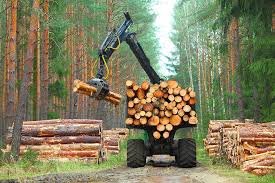
Modern wood companies place strong emphasis on environmental protection. Instead of relying only on raw timber, the industry now uses sustainable forest resources, wood residues, agricultural waste, and recycled materials. This reduces pressure on natural forests and helps maintain ecological balance.
A major shift has occurred toward formaldehyde-free, low-emission boards that are safe for families, children, and sensitive environments. Certifications such as FSC, PEFC, CE, CARB, EPA, JAS, and F☆☆☆☆ guarantee that wood products meet global standards for health, safety, and environmental responsibility. As customers become more aware of indoor air quality, these certifications have become an essential part of modern wood manufacturing.
2. Engineered Wood – Strength, Versatility, and Modern Performance
Engineered wood has revolutionized the industry. Products such as OSB, laminated wood, plywood, flooring boards, decorative panels, and composite boards are now preferred worldwide due to their exceptional performance. They offer superior strength, long-term durability, moisture resistance, and excellent versatility.
One of the biggest advancements is the development of surface-decorated OSB, which solves the old problem of traditional OSB being difficult to decorate. Now, OSB can be used directly for furniture, walls, cabinets, wardrobes, interior décor, and modern home designs. Engineered wood is not only stronger than many natural woods but also more stable and cost-effective, making it a smart choice for both residential and commercial projects.
3. Smart Industrial Parks and “Tree to Home” Manufacturing Systems
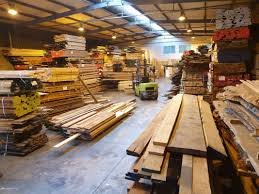
The wood industry is moving toward smart manufacturing, where production is based on automation, robotics, and digital monitoring. Many leading companies operate large eco-industrial parks that manage the entire process—from wood processing to finished furniture—under one integrated system. This model, often described as “Tree to Home”, allows manufacturers to maintain high quality, reduce waste, lower emissions, and deliver products faster.
These advanced industrial parks use modern equipment, efficient energy systems, and strict quality control procedures. The result is a cleaner, safer, and more efficient wood production environment that meets global expectations for sustainability and technology.
4. Innovation, R&D, and the Future of Wood Technology
Research and development play a major role in shaping the future of the wood industry. Companies are developing new and improved materials that meet the needs of modern construction and interior design. These innovations include:
- Flame-resistant industrial boards
- Antimicrobial and antiviral surfaces
- Waterproof panels for kitchens and bathrooms
- Ultra-lightweight OSB for easy installation
- Boards made from recycled biomass and forestry waste
These advanced materials offer safer, stronger, and more sustainable solutions for modern buildings. With continuous investment in technology and collaboration with research institutions, the wood industry is becoming more innovative every year.
Conclusion
The wood industry today stands at the center of global innovation. With sustainable production, engineered wood technology, smart industrial systems, and strong environmental certifications, the industry is shaping a better future for construction, interiors, and modern living spaces. Wood remains one of the most beautiful, natural, and renewable resources—and with modern technology, it has become even more powerful and versatile.