Wood has been one of humanity’s most essential natural materials for thousands of years. From the earliest shelters to modern architectural masterpieces, wood continues to play a vital role in construction, design, manufacturing, and environmental sustainability. Its strength, beauty, and versatility have allowed it to remain relevant even in an age dominated by steel, concrete, and plastic.
Today, as global industries shift toward eco-friendly and renewable materials, wood is experiencing a new wave of innovation. Whether in engineered wood products, advanced timber technologies, or high-performance composites, wood remains at the center of sustainable development.
The Natural Benefits of Wood
Wood offers a combination of qualities that few other materials can match:
1. Strength and Durability
Certain wood species, as well as engineered wood types, provide exceptional load-bearing capacity. This makes wood suitable for:
- Structural construction
- Flooring
- Furniture frames
- Interior partitions
2. Renewable and Eco-Friendly
Unlike synthetic materials, wood comes from a renewable source — forests. When managed responsibly, it has a significantly lower environmental impact and helps reduce carbon emissions.
3. Natural Insulation
Wood naturally helps regulate temperature and absorb sound, providing:
- Energy-efficient homes
- Comfortable indoor environments
- Reduced noise levels
4. Aesthetic Appeal
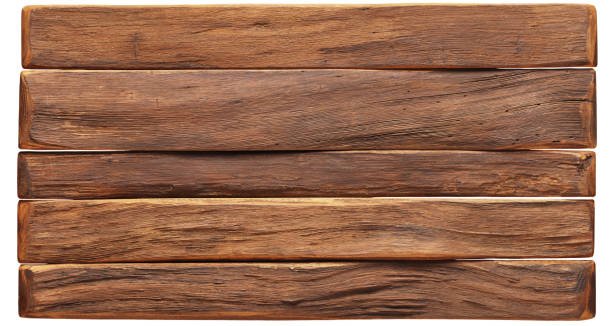
Each piece of wood showcases unique patterns, textures, and colors. This natural beauty enhances interior design, furniture, and decorative elements.

Major Types of Wood
1. Hardwood
Hardwoods come from deciduous trees like oak, maple, walnut, and teak. They are dense, durable, and ideal for:
- Premium furniture
- Flooring
- Doors
- Decorative interiors
2. Softwood
Softwoods come from coniferous trees such as pine, spruce, cedar, and fir. They grow faster and are commonly used for:
- Building frameworks
- Plywood
- Window frames
- General carpentry
3. Engineered Wood
A major development in modern wood technology, engineered wood includes products like:
- MDF
- Particleboard
- OSB
- Plywood
- Laminated timber
Engineered wood offers consistent strength, stability, and affordability.
Wood in Modern Industry
Wood has evolved far beyond traditional carpentry. It now plays a key role in:
Construction
Modern timber construction, including mass timber and cross-laminated timber (CLT), allows for strong, tall, and sustainable buildings.
Furniture Manufacturing
From contemporary to classic designs, wood remains the most popular material for high-quality furniture.
Interior Design
Wall panels, flooring, ceilings, and decorative elements use wood for its warmth and natural beauty.
Eco-Friendly Innovation
Wood-based bio-composites and carbon-storing timber materials support global sustainability goals.
The Future of Wood
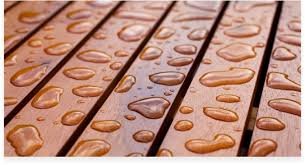
As industries adopt greener practices, wood will continue to gain importance. Innovations such as fire-resistant timber, moisture-proof engineered boards, and high-strength composites point to a future where wood becomes even more efficient and adaptable.
Wood is not just a building material — it is a sustainable solution that bridges the past and the future. With its unmatched combination of beauty, performance, and renewability, wood will remain a cornerstone of modern design and industry for generations to come.