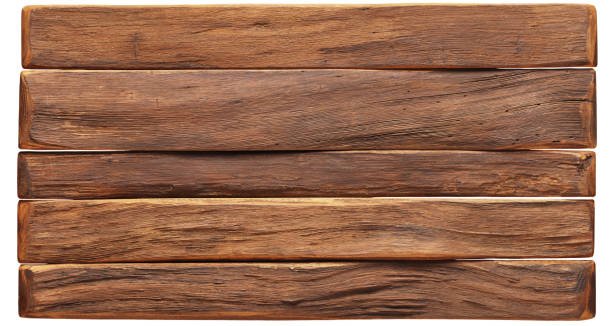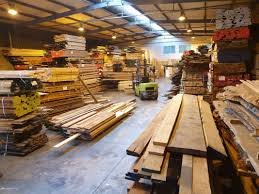
Le bois a toujours été au cœur de industrie du bois. De la construction et de la fabrication de meubles aux applications décoratives, planches de bois Le bois demeure l'un des produits dérivés du bois les plus polyvalents et durables disponibles aujourd'hui. Grâce aux progrès technologiques et aux pratiques durables, les panneaux de bois sont désormais produits pour être plus résistant, écologique et personnalisable pour une large gamme d'applications.

Cet article explore les types, les utilisations, les avantages et les tendances futures des panneaux de bois, ainsi que la manière dont les fabricants de haute technologie comme Luli Wood redéfinissent les normes de qualité sur le marché mondial du bois.
Que sont les planches de bois ?
planches de bois Ce sont des planches ou des panneaux de bois transformés, issus de bois naturel ou fabriqués à partir de plusieurs couches de bois. Ils sont utilisés dans :
- Construction – murs, plancher, toiture et charpente
- Meubles – armoires, tables, chaises et étagères
- Design d'intérieur – panneaux muraux, cloisons décoratives et plafonds
- Projets de bricolage et d'artisanat – petites applications de menuiserie
Les planches de bois modernes sont disponibles dans les deux bois massif et variétés génétiquement modifiées, notamment les panneaux stratifiés et composites qui offrent une plus grande durabilité et un caractère plus écologique.
Types de planches de bois
Les planches de bois se déclinent en de nombreuses variétés, chacune étant conçue pour des usages spécifiques :
1. Planches en bois massif
Découpées directement dans des grumes naturelles, les planches en bois massif sont réputées pour leurs force et beauté naturelle. Ils sont couramment utilisés dans meubles et construction.
2. Panneaux de bois lamellé-collé
Créés en collant des couches de bois ensemble, les panneaux stratifiés sont plus stable, résistant à la déformation et très polyvalent. Ces produits sont idéaux pour applications d'ameublement et d'architecture.
3. Contreplaqué et panneaux de bois composite
Le contreplaqué, le MDF et autres matériaux composites sont fabriqués à partir de matériaux composites. fibres de bois et résines, ce qui les rend économique et léger pour une large gamme de projets.
4. Planches décoratives en bois
Ces panneaux sont revêtus, plaqués ou stratifiés avec des finitions élégantes pour les mettre en valeur. attrait esthétique. Ils sont souvent utilisés dans décoration intérieure et meubles sur mesure.
Avantages des planches de bois
Les planches de bois restent populaires en raison de leurs nombreux avantages :
- Durabilité et résistance – Les planches de bois sont connues pour leurs longue durée de vie et capacité à résister à une utilisation intensive.
- Versatilité – Convient pour construction, aménagement intérieur, mobilier et artisanat.
- Options écologiques – De nombreuses planches de bois sont désormais produites avec bois durable et adhésifs sans formaldéhyde.
- Attrait esthétique – Timber grain naturel et tons chauds embellir n'importe quel espace.
- Personnalisation – Les planches de bois peuvent être coupé, façonné et fini pour répondre à des exigences de conception spécifiques.
Applications des panneaux de bois
Les panneaux de bois ont de nombreuses applications dans tous les secteurs d'activité :
1. Construction
Les planches de bois sont utilisées dans planchers, ossatures murales, charpentes de toiture et poutres de soutien. Les panneaux de bois d'ingénierie offrent stabilité et résistance à la charge, ce qui les rend fiables pour les bâtiments modernes.
2. Fabrication de meubles
Depuis tables et chaises à armoires et placards, Les panneaux de bois constituent la base de meubles durables et élégants. Le bois lamellé-collé est particulièrement apprécié pour sa stabilité et ses finitions élégantes.
3. Design et décoration d'intérieur
Les panneaux décoratifs en bois sont utilisés dans revêtements muraux, plafonds et cloisons, ajoutant chaleur et élégance aux intérieurs. Les finitions plaquées et stratifiées permettent textures et couleurs modernes.
4. Bricolage et loisirs créatifs
Pour les petits travaux de menuiserie, les planches de bois sont idéales en raison de leur faisabilité et rentabilité. Les amateurs les utilisent souvent pour fabriquer des étagères, des unités de rangement et des objets décoratifs.

Planches de bois écologiques
Aujourd'hui, la demande de produits en bois écologiques est à un niveau record. Les fabricants adoptent des pratiques telles que :
- Adhésifs sans formaldéhyde améliorer la qualité de l'air intérieur
- Bois recyclé et certifié FSC pour réduire l'impact de l'exploitation forestière
- Fabrication écoénergétique réduire l'empreinte environnementale
- Découpe de précision pour minimiser les déchets
Les panneaux de bois écologiques offrent une sûr, durable et élégant Une solution pour les consommateurs et les entreprises soucieux de l'environnement.
Fabrication intelligente de panneaux de bois
La production moderne de panneaux de bois intègre technologies d'usine intelligente pour une qualité et une efficacité accrues :
- Découpe de précision CNC garantit des dimensions précises
- Lamination et finition robotisées produire des résultats constants
- systèmes de surveillance IoT suivre la qualité de la production en temps réel
- Personnalisation permet aux clients de commander des planches de bois en tailles et finitions spécifiques
Cette combinaison de technologie et de durabilité garantit que les planches de bois répondent aux normes normes internationales tout en restant respectueux de l'environnement.
Planches en bois de Luli Wood
Industrie du bois de Shouguang Luli, fondée en 2001 et faisant partie du groupe Luli (parmi les 500 premières entreprises chinoises), est un fournisseur de premier plan de planches de bois de haute qualité.
Luli Wood est spécialisée dans :
- panneaux de bois stratifié sans formaldéhyde
- panneaux décoratifs écologiques
- Solutions de revêtement de sol durables
- panneaux de meubles personnalisés
Grâce à des installations de production intelligentes, des pratiques durables et une recherche et développement de pointe, Luli Wood garantit que ses panneaux de bois sont durable, élégant et respectueux de l'environnement.
Tendances futures des panneaux de bois
L'industrie des panneaux de bois est appelée à évoluer davantage avec :
- planches de bois d'ingénierie légères mais plus résistantes
- technologies d'impression numérique pour des motifs de surface uniques
- Adhésifs zéro émission pour des intérieurs plus sûrs
- chaînes d'approvisionnement durables pour l'éco-certification mondiale
Ces progrès continueront de faire des planches de bois un matériau essentiel dans construction, mobilier et design d'intérieur.

Conclusion
planches de bois demeurent une pierre angulaire de l'industrie du bois, offrant force, beauté et polyvalence. Avec des innovations dans stratification, adhésifs écologiques et fabrication intelligente, ils sont désormais plus durables et écologiques que jamais.