À mesure que la prise de conscience mondiale durabilité, santé et mode de vie éco-responsable Avec l'augmentation des coûts, la demande de matériaux sûrs et durables est en hausse. Dans la construction et la conception de meubles, le bois a toujours été un choix populaire en raison de sa beauté naturelle et de sa robustesse. Cependant, les produits en bois traditionnels présentent souvent des défis tels que : émissions de formaldéhyde, durabilité limitée et préoccupations environnementales. C'est ici que Bois sûr intervient comme un élément qui change la donne.

Safe Wood combine méthodes de production écologiques, durabilité et attrait esthétique Créer un matériau non seulement plus sûr pour la santé humaine, mais aussi plus respectueux de l'environnement. Sa popularité croissante reflète l'évolution de plus en plus vers pratiques de construction écologique et intérieurs axés sur la santé à travers le monde.
Production écologique : un pas vers un mode de vie plus vert
L'une des qualités déterminantes de Safe Wood est son processus de production durable. Contrairement aux produits en bois traditionnels, Safe Wood est fabriqué en mettant l'accent sur réduire les émissions nocives et préserver les ressources.
Les principales pratiques écoresponsables comprennent :
- Collage sans formaldéhyde pour éliminer la pollution de l'air intérieur.
- Utilisation de fibres de bois recyclées et de ressources forestières durables.
- Systèmes de production économes en énergie qui réduisent l'empreinte carbone.
- méthodes de réduction et de recyclage des déchets afin de garantir un impact environnemental minimal.
En privilégiant ces pratiques, Safe Wood soutient projets certifiés LEED et s'aligne sur normes internationales de construction écologique, ce qui en fait le matériau de prédilection des promoteurs immobiliers soucieux de l'environnement.
Une durabilité qui dure des générations
Safe Wood n'est pas seulement écologique, il est aussi conçu pour durer. Grâce à des procédés de fabrication avancés, Safe Wood résiste à de nombreux problèmes courants liés au bois traditionnel.
- Résistance à l'humidité : Prévient le gonflement, les fissures et le gauchissement.
- Résistance aux ravageurs : Résistant aux termites et autres insectes.
- Résistance aux intempéries : Maintient ses performances même dans des climats difficiles.
- Maintien de la force : Assure une stabilité structurelle à long terme.
Cette durabilité améliore non seulement cycle de vie des projets mais réduit également les coûts d'entretien, ce qui en fait un investissement rentable pour les propriétaires et les entreprises.
Bienfaits du bois sain pour la santé
Outre ses avantages environnementaux, Safe Wood contribue à des espaces intérieurs plus sains. La mauvaise qualité de l'air, souvent due au formaldéhyde et à d'autres composés organiques volatils (COV), peut entraîner des problèmes respiratoires, des allergies et des risques pour la santé à long terme. Safe Wood élimine ces risques grâce à sa composition. Sans formaldéhyde et sans toxines.
Il est particulièrement bénéfique pour :
- Maisons avec des enfants ou des résidents âgés qui sont plus sensibles aux toxines.
- Écoles et établissements d'enseignement où des environnements d'apprentissage sûrs sont essentiels.
- Hôpitaux et établissements de soins de santé qui exigent des matériaux hygiéniques et sains.
Choisir du bois sûr garantit que les intérieurs restent sûr, respirant et favorisant le bien-être.
Conception et polyvalence esthétique
Safe Wood ne fait aucun compromis sur l'esthétique. Elle offre une large gamme de textures, couleurs et finitions qui imitent l'élégance du bois naturel tout en y ajoutant une polyvalence moderne.
Les applications comprennent :
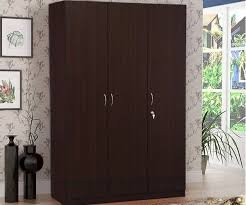
- Meubles: Des ensembles de salle à manger élégants aux armoires résistantes.
- Sol: Des finitions élégantes, à la fois résistantes et nécessitant peu d'entretien.
- Panneaux muraux : Solutions décoratives pour les intérieurs résidentiels et commerciaux.
- Modèles de plafonds : Mettre en valeur les espaces en leur apportant chaleur et caractère.
Sa polyvalence rend le bois sûr adapté à intérieurs contemporains, rustiques et luxueux, offrant ainsi aux designers la liberté d'explorer d'innombrables possibilités créatives.

Applications dans tous les secteurs d'activité
La robustesse, la sécurité et le caractère écologique du bois Safe Wood en font un matériau idéal pour une grande variété de projets.
- Projets résidentiels : Des solutions saines, durables et élégantes pour la maison.
- Aménagements intérieurs commerciaux : Des finitions professionnelles et durables pour les bureaux et les espaces commerciaux.
- Établissements d'enseignement : Mobilier et aménagements intérieurs sûrs et durables.
- Établissements de santé : Des matériaux sans toxines qui favorisent des environnements sains.
- Industrie hôtelière : Des intérieurs élégants et résistants pour les hôtels et les restaurants.
L'adaptabilité de Safe Wood garantit qu'il s'adapte parfaitement à différents secteurs et projets, offrant une valeur à long terme.
Demande mondiale et croissance du marché
La demande mondiale de alternatives durables au bois la croissance est rapide. Avec des réglementations plus strictes sur les émissions de formaldéhyde et un intérêt croissant pour certifications vertes, Safe Wood devient un choix prioritaire tant pour les promoteurs immobiliers que pour les propriétaires.
Marchés en Europe, Amérique du Nord et Asie ils apprécient particulièrement le bois sûr en raison de sa combinaison de durabilité, durabilité et avantages pour la santé. Cette croissance augure d'un avenir prometteur pour Safe Wood en tant que matériaux de construction et d'ameublement courants.
Reconnaissance et certifications
Bois sûr les produits sont souvent accompagnés de certifications qui garantissent leur qualités écologiques et sûres. Cela inclut :
- Certifications d'émission de formaldéhyde E0 ou E1
- Certification FSC (Forest Stewardship Council) pour un approvisionnement durable
- Certifications ISO pour la qualité de fabrication
Cette reconnaissance renforce la confiance et souligne le rôle de Safe Wood dans le l'avenir de la construction durable.
Conclusion : Du bois sûr pour un avenir plus sain et plus vert
Safe Wood représente un un équilibre parfait entre durabilité, sécurité et style. .Avec son sans formaldéhyde production, durabilité et polyvalence de conception, c'est un matériau idéal pour créer Des logements plus sains, des espaces de travail plus sûrs et des environnements durables.