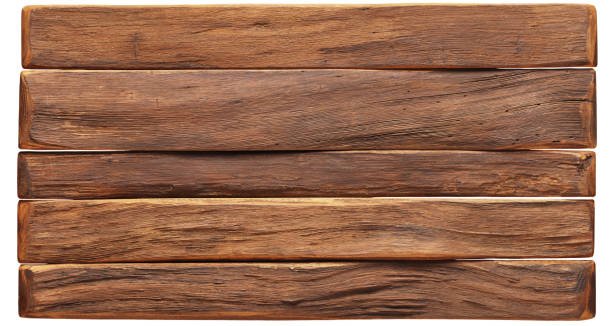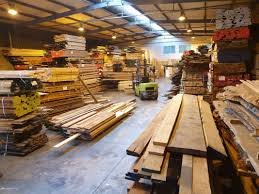
Dans le secteur de la construction actuel, les produits d'ingénierie à base de bois comme OSB (panneau de particules orientées) et contre-plaqué Ils sont devenus indispensables. Leur durabilité, leur stabilité et leur rentabilité en font un choix privilégié pour la construction résidentielle et commerciale. Cet article explore l'OSB et le contreplaqué, leurs avantages, leurs applications et explique pourquoi ils sont essentiels aux projets de construction modernes.

1. Qu'est-ce que l'OSB (Oriented Strand Board) ?
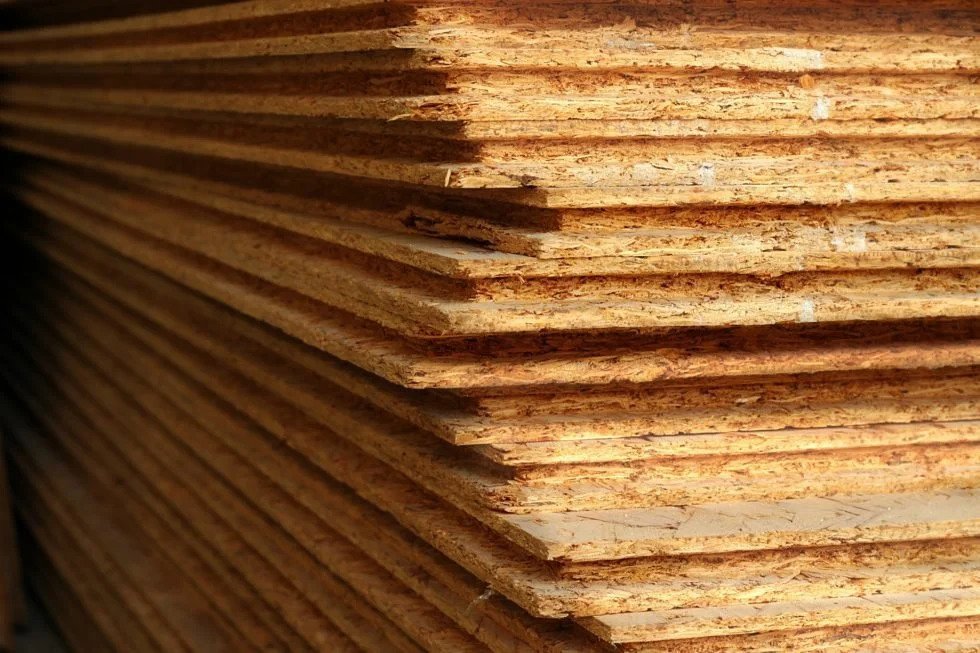
L'OSB est un panneau de bois composite fabriqué par compression de couches de lamelles de bois à l'aide d'adhésifs, selon des orientations spécifiques. Cette structure renforce sa résistance et assure sa stabilité, le rendant idéal pour des applications structurelles telles que les murs, les toitures et les planchers.
Mots clés : panneaux OSB, bois d'ingénierie, panneaux de construction
2. Qu'est-ce que le contreplaqué ?
Le contreplaqué est fabriqué en collant de fines couches de placage de bois dont le fil est orienté de manière alternée. Ce contreplaqué contrecollé lui confère une résistance supérieure, une excellente stabilité dimensionnelle et une grande résistance au gauchissement. Il est largement utilisé pour les murs, les plafonds, les sols et le mobilier.
Mots clés : panneaux de contreplaqué, bois stratifié, contreplaqué pour meubles
3. Avantages des panneaux OSB et du contreplaqué
a. Résistance et durabilité
L'OSB et le contreplaqué sont tous deux suffisamment résistants pour un usage structurel. L'OSB est idéal pour les murs porteurs, les couvertures de toiture et les sous-planchers, tandis que le contreplaqué offre une excellente durabilité pour le mobilier et les panneaux décoratifs.
b. Rentable
Le bois d'ingénierie est plus abordable que le bois massif. L'OSB, en particulier, offre une grande résistance à moindre coût, ce qui le rend idéal pour les projets de construction de grande envergure.
c. Facile à utiliser
Ces matériaux se coupent, se percent et se façonnent facilement, ce qui accélère le processus de construction et réduit les coûts de main-d'œuvre.
d. Respectueux de l'environnement
L'OSB et le contreplaqué permettent tous deux une utilisation efficace du bois. L'OSB utilise des fibres de bois plus fines, tandis que le contreplaqué utilise de fines couches de placage. La production moderne intègre souvent du bois recyclé et des adhésifs sans formaldéhyde.
Mots clés : avantages des panneaux OSB, avantages du contreplaqué, construction écologique
4. Applications dans la construction moderne
Applications structurelles
- revêtement des murs et du toit
- sous-structures de plancher
- panneaux porteurs
Design d'intérieur
- Armoires, étagères et meubles
- panneaux décoratifs muraux et de plafond
- panneaux de porte
Autres utilisations
- Emballage et caisses
- Échafaudages et coffrages temporaires
- Maisons modulaires et structures préfabriquées
Mots clés : Panneaux OSB pour les murs, contreplaqué pour les planchers, applications du bois d'ingénierie
5. Choisir entre l'OSB et le contreplaqué
- OSB : Idéal pour les charpentes, les toitures et les sous-planchers. Robuste et économique, il est largement utilisé dans les grands projets de construction.
- Contre-plaqué: Idéal pour les meubles, les armoires et les surfaces où l'esthétique et la finition sont primordiales. Offre une surface lisse et une grande durabilité.
6. Tendances futures
L'utilisation des panneaux OSB et du contreplaqué continue de croître grâce aux innovations dans adhésifs sans formaldéhyde, résistance à l'humidité et traitements ignifuges. Grâce à une production durable et à des pratiques respectueuses de l'environnement, ces matériaux deviennent de plus en plus essentiels dans les projets de construction écologique du monde entier.

7. Conclusion
Les panneaux OSB et le contreplaqué sont des éléments essentiels de la construction moderne. Leur robustesse, leur durabilité, leur rentabilité et leur polyvalence en font des matériaux indispensables aux constructeurs, architectes et designers. Qu'il s'agisse de structures, de mobilier d'intérieur ou de panneaux décoratifs, les panneaux OSB et le contreplaqué offrent des solutions fiables, durables et de haute qualité. construction moderne.