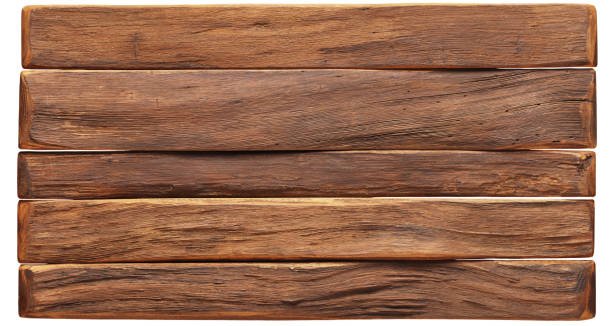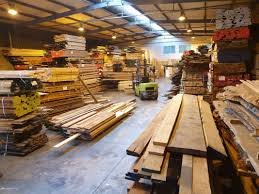
Le bois a toujours été une ressource naturelle essentielle, mais les technologies modernes l'ont transformé en un matériau haute performance capable de répondre aux exigences industrielles, architecturales et environnementales actuelles. Bois prêt pour l'avenir Ce matériau représente une nouvelle génération de produits en bois conçus pour une durabilité, une résistance structurelle et une durabilité accrues. Ces matériaux innovants façonnent l'avenir de la construction, du mobilier, de l'aménagement intérieur et de la production écologique.
Qu’est-ce que le bois prêt pour l’avenir ?
Le terme « bois d'avenir » désigne des matériaux dérivés du bois améliorés grâce à des techniques d'ingénierie, des traitements sans produits chimiques et une fabrication éco-responsable. Ces matériaux offrent des performances supérieures dans des domaines où le bois traditionnel présente des lacunes, comme la résistance à l'humidité, la stabilité, la sécurité incendie et l'impact environnemental.
Cette nouvelle catégorie de bois aide les industries à fabriquer des produits plus résistants, plus intelligents et plus durables sans compromettre leur beauté naturelle.
Caractéristiques clés du bois adapté à l'avenir
1. Résistance et stabilité supérieures
Les structures d'ingénierie comme le CLT (Cross-Laminated Timber) et le LVL (Laminated Veneer Lumber) offrent une capacité de charge remarquable, rendant le bois adapté même aux immeubles de grande hauteur.
2. Haute résistance à l'humidité et aux insectes
Les technologies de traitement thermique et de composites garantissent que le bois reste solide, stable et protégé contre les insectes et la pourriture.
3. Écologique et à faible émission de carbone
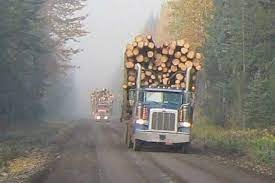
Le bois d'œuvre durable provient de forêts renouvelables et de procédés de fabrication propres. De nombreux produits sont sans formaldéhyde et certifiés écologiques.
4. Polyvalence esthétique
Ces matériaux allient la beauté naturelle du bois à des finitions personnalisables pour des intérieurs et des designs architecturaux modernes.
5. Longue durée de vie
Les technologies de pointe prolongent la durée de vie, réduisent la maintenance et améliorent les performances globales.
Types populaires de bois d'œuvre adaptés à l'avenir
1. Bois d'ingénierie structural
- Bois lamellé-collé (LVL)
- Bois lamellé-croisé (CLT)
- poutres en lamellé-collé
Ces matériaux sont largement utilisés dans les projets de construction durable.
2. Solutions en bois composite
- WPC (Composite bois-plastique)
- Panneaux de fibres haute densité
- panneaux d'ingénierie de qualité mobilier
Idéal pour les meubles, les armoires et les structures extérieures.
3. Bois spécial traité écologiquement
- Bois modifié thermiquement
- Bois carbonisé
- panneaux décoratifs sans formaldéhyde
Idéal pour les aménagements intérieurs, les revêtements de sol et les applications axées sur le design.

Applications du bois prêt pour l'avenir
Construction
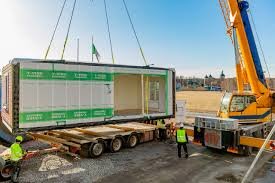
Utilisé dans les poutres, les murs, les planchers, les bâtiments durables et les structures modulaires.
Fabrication de meubles
Fournit des solutions d'ameublement robustes, légères et esthétiques.
Design d'intérieur et d'architecture
Panneaux muraux décoratifs, dalles de plafond, revêtements de sol et placages de luxe.
Applications industrielles
Emballage, panneaux d'insonorisation et composants de précision.
Pourquoi les industries préfèrent le bois adapté à l'avenir
- Améliore la durabilité du projet
- Réduit l'empreinte carbone
- Soutient les certifications de bâtiments écologiques
- Offre une qualité et des performances constantes
- Garantit des économies à long terme
Face au durcissement des réglementations environnementales, les industries privilégient de plus en plus les solutions durables en bois.
Conclusion
Bois prêt pour l'avenir Ce matériau transforme l'industrie du bois en alliant beauté naturelle, performances de pointe et durabilité. Sa robustesse, sa polyvalence et ses caractéristiques écologiques en font un choix privilégié pour la construction moderne, l'aménagement intérieur, la fabrication de meubles et les applications industrielles. À mesure que l'innovation se poursuit, ces matériaux de bois intelligents joueront un rôle encore plus important dans la création d'un monde plus vert, plus résistant et plus durable. monde efficace.