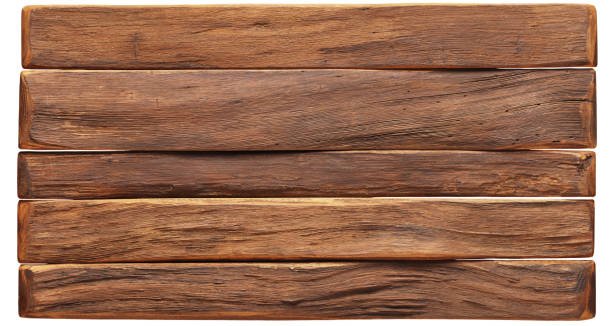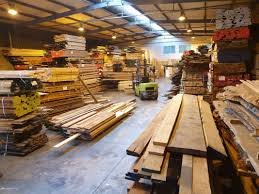
Wood has always been one of the most versatile and reliable materials in human history. From simple structures to sophisticated furniture and interiors, wood has been a cornerstone of design and construction. In recent decades, engineered wood has emerged as a game-changer, offering higher strength, durability, and environmental sustainability compared to traditional solid wood. This article explores the types of engineered wood, their applications, benefits, and future trends in construction and furniture industries.

1. What is Engineered Wood?
Engineered wood is manufactured by combining natural wood fibers, veneers, or strands with adhesives under controlled heat and pressure. This process creates panels or boards that are stronger, more stable, and less prone to warping or shrinking than natural wood.
Common Types of Engineered Wood:
- OSB (Oriented Strand Board): Layers of wood strands bonded in specific orientations.
- Plywood: Thin layers of veneer glued together with alternating grain directions.
- MDF (Medium Density Fiberboard): Fine wood fibers pressed into smooth, dense panels.
- HDF (High Density Fiberboard): Denser than MDF, often used in flooring.
- LVL (Laminated Veneer Lumber): Strong laminated beams used in structural applications.
- Particle Board: Made from wood chips and adhesive, commonly used for furniture and cabinetry.
Keywords: engineered wood, OSB board, plywood, MDF, HDF, LVL, particle board, modern wood construction, furniture wood
2. Advantages of Engineered Wood
Engineered wood offers multiple advantages over natural solid wood:
- Enhanced Strength: Laminated and layered structures improve load-bearing capacity.
- Dimensional Stability: Less likely to warp, shrink, or expand due to moisture.
- Eco-Friendly: Uses smaller wood pieces efficiently, reducing waste.
- Cost-Effective: Cheaper than solid hardwood for large-scale projects.
- Consistency: Uniform texture and appearance for furniture and interiors.
- Formaldehyde-Free Options: Healthier boards for indoor use.
3. Applications in Modern Construction
Engineered wood is widely used in the construction sector due to its strength and reliability:
- Structural Beams and Frames: LVL and OSB provide stability in walls and roofs.
- Flooring Systems: HDF and engineered plywood offer durability and smooth finishes.
- Wall and Ceiling Panels: MDF and plywood panels enhance aesthetics.
- Doors and Windows: Engineered wood ensures precision and long-lasting performance.
- Prefabricated Homes: Lightweight and strong boards simplify assembly.

4. Applications in Furniture and Interior Design
Engineered wood has transformed furniture and interior design:
- Cabinets and Wardrobes: MDF and particle boards are widely used for smooth finishes.
- Tables and Desks: Durable plywood and LVL are ideal for heavy use.
- Decorative Panels: Veneers and laminated boards provide elegant patterns.
- Flooring: Engineered HDF and laminated flooring combine strength with aesthetic appeal.
5. Sustainability and Environmental Benefits
Engineered wood supports eco-friendly building practices:
- Uses smaller wood pieces efficiently, reducing deforestation.
- Can be produced with recycled wood fibers.
- Reduces carbon footprint by storing carbon in wood panels.
- Formaldehyde-free adhesives improve indoor air quality.
- Supports green building certifications such as LEED.
6. The Future of Engineered Wood
The future of engineered wood is bright with innovations:
- Cross Laminated Timber (CLT): Replacing steel and concrete in modern buildings.
- Fire-Resistant Panels: Safe and durable for high-rise structures.
- Moisture-Resistant and Thermally Modified Wood: Longer lifespan and enhanced performance.
- Smart Manufacturing: AI-driven production ensures quality and reduces waste.
- Custom Designs: Flexible for modern architecture and interior trends.

Conclusion
Engineered wood has revolutionized modern construction and furniture industries. Combining strength, stability, cost-effectiveness, and environmental sustainability, it is now an essential material for builders, designers, and manufacturers. Understanding the types, advantages, and applications of engineered wood allows industries to make informed choices for durable, eco-friendly, and aesthetically pleasing structures and interiors.