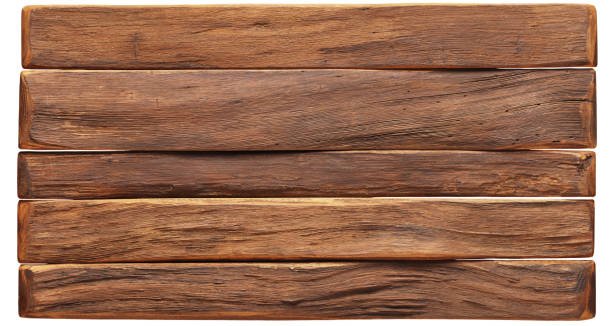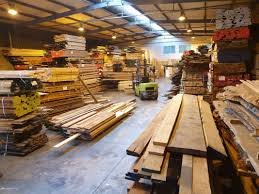
In recent years, engineered wood has become one of the most preferred materials in residential, commercial, and industrial construction. With advancements in manufacturing technology and a rising focus on sustainability, engineered wood offers superior performance, reliability, and design flexibility. Whether used in flooring, roofing, wall systems, furniture, or interior décor, engineered wood is reshaping the future of modern building practices. Its strength, cost-effectiveness, and environmental benefits make it an ideal substitute for traditional solid wood.

What Is Engineered Wood?
Engineered wood refers to wood products created by bonding layers, fibers, or particles of wood using high-quality adhesives and modern processes. These materials are optimized to enhance strength, stability, and durability.
Common types of engineered wood include:
- Plywood
- OSB (Oriented Strand Board)
- MDF (Medium Density Fiberboard)
- HDF (High Density Fiberboard)
- LVL (Laminated Veneer Lumber)
- Particle board
- Engineered flooring panels
Each product is designed for specific applications, offering solutions that traditional solid wood cannot always achieve.
Why Engineered Wood Is Becoming More Popular
1. High Strength and Stability
Engineered wood is built to perform. Its layered construction resists warping, cracking, and shrinking—common issues with solid wood. This makes it suitable for regions with extreme weather or varying moisture levels.
2. Cost-Effective Alternative to Solid Wood
Engineered wood offers a similar aesthetic and performance to solid wood at a more affordable price. This helps reduce construction costs while maintaining quality and appearance.
3. Eco-Friendly and Sustainable
One of the biggest advantages of engineered wood is sustainability.
It uses:
- Recycled wood fibers
- Fast-growing species
- Lower raw material consumption
This reduces pressure on forests and supports environmentally responsible building practices.

4. Versatility in Design
Engineered wood products come in a variety of textures, colors, and finishes. They can be used for:
- Decorative walls
- Flooring
- Furniture manufacturing
- Ceiling systems
- Cabinetry
- Structural applications
Designers appreciate engineered wood because it adapts beautifully to both traditional and modern styles.
5. Excellent Structural Performance
Products like OSB and LVL are widely used in construction due to their strength. They can support floors, roofs, and walls in residential and commercial buildings.
Applications of Engineered Wood
• Residential Construction
Engineered wood is used in flooring, roof structures, wall panels, and interiors due to its durability and thermal performance.
• Furniture Manufacturing
MDF, plywood, and particle board are essential materials in wardrobes, cabinets, beds, office furniture, and kitchen units.
• Commercial and Industrial Projects
Offices, malls, warehouses, and schools use engineered wood for quick installation, cost savings, and aesthetic appeal.
• Interior Decoration
Engineered wood panels provide stunning results in:
- Feature walls
- Ceiling designs
- Partition systems
- Shelving and storage solutions
Their smooth surface makes them ideal for laminates, veneers, and digital prints.
Advantages Over Traditional Wood
- More resistant to moisture
- Uniform strength and density
- Better availability and lower cost
- Less environmental impact
- Higher load-bearing capacity in some products
- Easier to install and maintain
This combination of benefits makes engineered wood the future of modern construction.
The Future of Engineered Wood in Construction
As sustainable building becomes a global priority, engineered wood will continue to grow in popularity. Advanced products such as CLT (Cross-Laminated Timber) and Glulam are enabling multi-story wooden buildings around the world.
These innovations prove that engineered wood is not only a replacement for traditional wood but a superior material for large-scale construction.

Conclusion
Engineered wood has revolutionized the construction and furniture industry. It offers strength, stability, affordability, and sustainability—all essential qualities for modern building projects. Whether used in homes, offices, or commercial spaces, engineered wood provides long-term performance and beautiful design possibilities. As technology continues to evolve, engineered wood will remain a central material in shaping the future of eco-friendly and innovative construction.