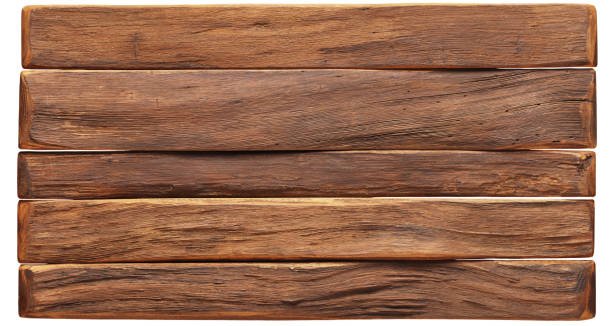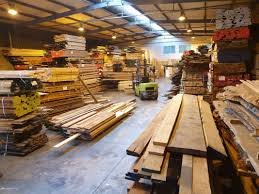
Wood is one of humanity’s oldest, most versatile, and most sustainable natural materials. For thousands of years, it has supported human civilization—from basic tools and shelters to modern construction, furniture, and industrial applications. Today, the global wood industry is a multi-billion-dollar sector that combines forestry, engineering, manufacturing, and technology. With growing demand for eco-friendly, high-quality, and durable materials, wood remains essential across multiple industries worldwide.
This guide provides a complete overview of wood types, engineered wood products, sustainability practices, technological advancements, applications, and global market trends.
1. Understanding Wood and Its Importance
Wood is a natural composite material composed of cellulose, hemicellulose, lignin, and extractives, providing strength, flexibility, and aesthetic appeal. Its key advantages include:
- Natural strength and durability
- Renewable and environmentally friendly
- Thermal and sound insulation
- Ease of processing and shaping
- Unique and attractive grain patterns
- Versatility for multiple applications
Modern wood applications range from construction, interior decoration, flooring, furniture, industrial packaging, and engineered wood products.
2. Types of Wood
Wood can be broadly classified into hardwoods and softwoods. Each type has unique properties suitable for different applications.
2.1 Hardwoods
Hardwoods are obtained from broadleaf trees and are generally denser, stronger, and more durable. They are used for:
- Luxury furniture
- Flooring
- Cabinets
- Decorative interiors
- Musical instruments
Popular hardwoods:
- Oak: Strong, durable, and ideal for flooring and furniture
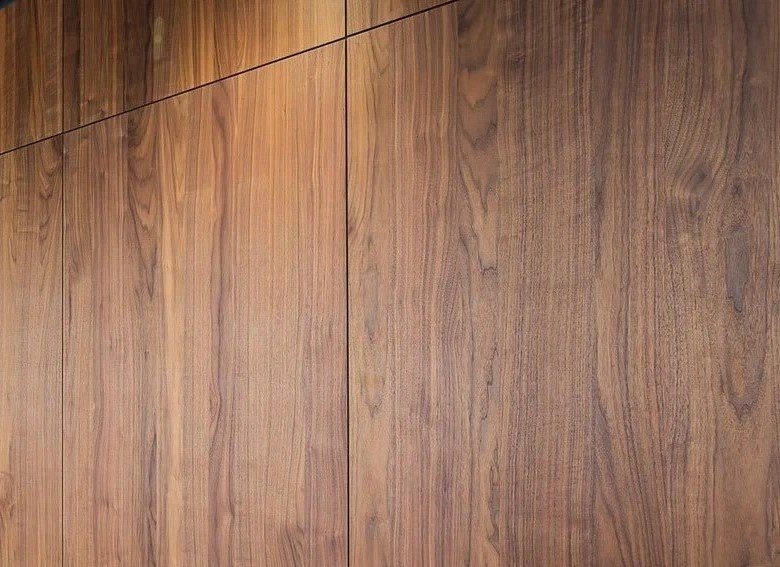
- Walnut: Dark, smooth, excellent for high-end furniture
- Teak: Water-resistant, perfect for outdoor use and marine applications
- Maple: Hard, light-colored, suitable for cabinets and flooring
- Beech: Flexible and strong, ideal for curved furniture
- Mahogany, Birch, Ash, Cherry: Widely used in premium furniture and woodwork
2.2 Softwoods
Softwoods come from coniferous trees and grow faster. They are lighter, easier to process, and widely used in construction and engineered wood products.
Popular softwoods:
- Pine: Lightweight, used for furniture, framing, and paneling
- Spruce: Strong, ideal for structural applications and OSB production
- Cedar: Naturally insect and moisture-resistant, suitable for outdoor use
- Fir: High strength, used in framing and flooring foundations
- Redwood, Larch: Used in construction, decking, and specialty applications
3. Engineered Wood and Modern Manufacturing
Engineered wood has transformed the global wood industry. It is manufactured by bonding layers, fibers, or veneers with adhesives under heat and pressure. The benefits include higher strength, dimensional stability, efficient resource use, and environmental sustainability.
Key engineered wood products:
3.1 OSB (Oriented Strand Board)
- Made from strands of wood oriented in layers
- Used in walls, flooring, roofing, and structural panels
- Modern OSB can be formaldehyde-free, ensuring eco-friendliness
3.2 Plywood
- Layers of wood veneer glued at alternating grain directions
- Used in construction, furniture, marine applications, and industrial projects
3.3 MDF (Medium Density Fiberboard)
- Made from fine wood fibers pressed into panels
- Ideal for cabinets, doors, decorative surfaces, and interior finishing
3.4 HDF (High Density Fiberboard)
- Denser than MDF, used in flooring, door skins, and high-performance furniture
3.5 Particle Board
- Made from wood chips or sawdust
- Cost-effective for budget furniture, shelving, and panels
3.6 LVL (Laminated Veneer Lumber)
- High-strength laminated panels used in beams, headers, and structural frameworks
4. Sustainability in the Wood Industry
Modern wood companies focus heavily on environmental responsibility to preserve forests and minimize waste.
Key sustainability practices:
- Sustainable forestry management
- FSC and PEFC certified wood
- Recycled wood fibers
- Formaldehyde-free adhesives and boards
- Energy-efficient, low-emission factories
- Closed-loop waste management and water recycling
Sustainable wood production ensures long-term forest health, reduces carbon footprint, and supports global green building standards.
5. Technological Advancements in the Wood Industry
Technology plays a critical role in modern wood manufacturing. Companies use:
- Automated cutting and shaping machines
- CNC routers and laser cutters
- Robotic material handling
- Digital moisture control and drying kilns
- AI and data-driven quality monitoring
- Intelligent, smart factory systems
These advancements improve production efficiency, reduce waste, maintain consistent quality, and create high-performance wood materials.
6. Applications of Wood
Wood and engineered wood have applications across multiple industries:
6.1 Construction
- Structural beams, walls, floors, roofing
- Prefabricated houses and modular construction
- Interior paneling and decorative boards
6.2 Furniture Manufacturing
- Tables, chairs, wardrobes, cabinets
- Luxury and custom furniture
- Office and commercial furniture
6.3 Flooring
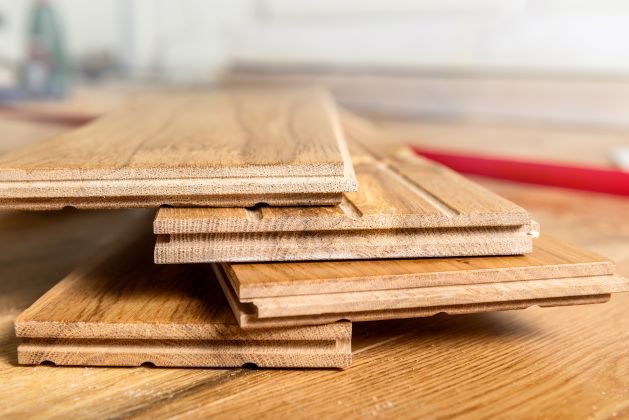
- Hardwood flooring, laminate flooring, engineered flooring
- Residential and commercial applications
6.4 Interior Design
- Decorative wall panels, ceiling panels, and veneers
- Laminates and integrated materials for modern interiors
6.5 Packaging and Industrial Use
- Wooden pallets, crates, and boxes
- Paper and pulp production
- Industrial panels and composite boards
6.6 Specialized Applications
- Musical instruments, sports equipment, toys, automotive interiors
- Marine wood, outdoor decking, and landscaping
7. The Future of the Wood Industry
The wood industry is rapidly evolving toward innovation, sustainability, and smart manufacturing.
Future trends include:
- Cross Laminated Timber (CLT) and Glulam for large-scale buildings
- Fire-resistant wood materials
- Thermally modified and water-resistant engineered wood
- AI and IoT-driven smart factories
- Zero-formaldehyde and eco-friendly boards
- Advanced composite and hybrid wood materials
- Digital customization for architecture and furniture
The combination of sustainability and technology ensures wood will remain a dominant, eco-friendly material in the future.
8. Conclusion
Wood is more than a raw material—it is a cornerstone of human civilization, modern industry, and sustainable development. Understanding hardwoods, softwoods, engineered wood, sustainability practices, technology, and applications allows builders, designers, and manufacturers to make informed choices.
The global wood industry continues to grow as it adapts to modern demands for eco-friendliness, durability, and smart manufacturing. Wood, in its natural and engineered forms, will continue to be essential for construction, furniture, flooring, interior design, industrial applications, and beyond.