Seit Jahrtausenden ist Holz ein stiller Begleiter der menschlichen Zivilisation – ein lebendiges Material, das Schutz bietet, birgt und inspiriert. Von den frühesten, handgeschnitzten Werkzeugen bis hin zu den prächtigen Tempeln und Kathedralen, die noch heute stehen, war Holz stets das Herzstück der Schöpfung. Und nun, da die Welt ihren Blick auf Nachhaltigkeit und Innovation richtet, wird dieses uralte Material neu entdeckt. Schlüssel zu einer grüneren, intelligenteren und ausgewogeneren Zukunft.
Ein Vermächtnis, geschrieben in Getreide
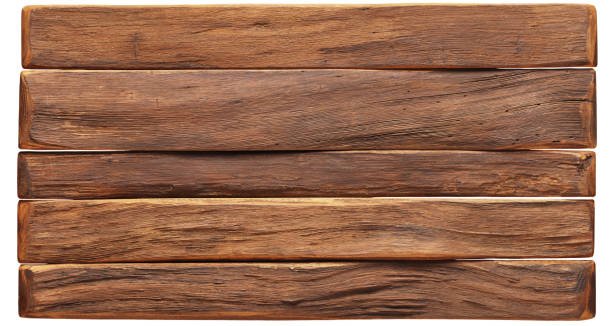
Jedes einzelne Brett erzählt eine Geschichte – von Sonnenlicht, Wind, Erde und Zeit. Seine Jahresringe zeichnen den Rhythmus der Jahreszeiten nach und fangen die Weisheit der Natur über Jahrzehnte in seiner Form ein. In verschiedenen Kulturen und Jahrhunderten symbolisiert Holz Stärke und Demut, Schönheit und Beständigkeit.
In Europa stützten sich die hoch aufragenden Kathedralen des Mittelalters auf gewaltige Eichenbalken, die auch Jahrhunderte später noch standhalten. In Asien haben Tempel aus Teak- und Zedernholz Monsunregen und die Zeit überdauert, ihr Duft und ihre Farbe haben sich mit dem Alter vertieft. Einheimische Baumeister in Afrika und Amerika nutzten lokale Hölzer nicht nur für den Bau, sondern auch für … spirituelle Verbindung — eine Möglichkeit, im Einklang mit ihrer Umwelt zu leben.
Holz war nie nur ein Baumaterial. Es war schon immer ein Sprache zwischen Menschheit und Natur.
Die Wissenschaft eines erneuerbaren Wunders
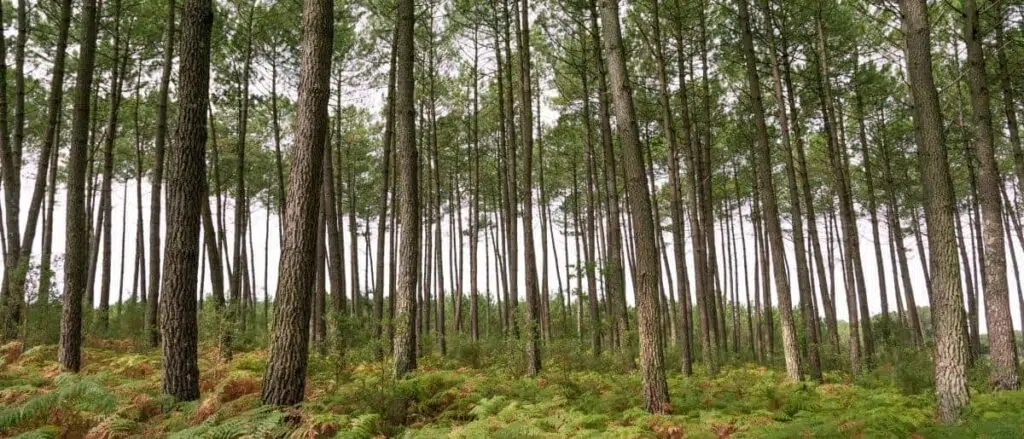
In einer Zeit, die von Industrieabfällen und synthetischem Überfluss geprägt ist, sticht Holz als ... hervor. sich selbst erneuerndes Wunder. Vom Sonnenlicht gewachsen, vom Regen genährt und vom Boden erhalten, ist Holz der einzige wichtige Baustoff, der sich auf natürliche Weise regeneriert.
Jeder Kubikmeter Holz speichert fast eine Tonne Kohlendioxid, Holz speichert etwas, das sonst die Atmosphäre schädigen würde. Bei verantwortungsvoller Nutzung und Wiederaufforstung wird Holz zu einem aktiven Partner im globalen Kampf gegen den Klimawandel.
Organisationen wie die Forest Stewardship Council (FSC) Und PEFC Nun wird sichergestellt, dass jeder gefällte Baum erfasst, ersetzt und ethisch korrekt bewirtschaftet wird. So entsteht ein transparenter Kreislauf, in dem Industrie und Ökologie Hand in Hand gehen. Nachhaltige Forstwirtschaft ist nicht nur eine ökologische Pflicht – sie ist ein Grundsatz der Nachhaltigkeit. wirtschaftliche Entwicklung, Dadurch werden Lebensgrundlagen geschaffen und gleichzeitig das Gleichgewicht auf dem Planeten wiederhergestellt.
Konstruktionsholz: Die Revolution des intelligenten Designs
Die moderne Welt verlangt nach leichten, robusten, flexiblen und umweltverträglichen Materialien. Holz, veredelt durch Innovation, erfüllt all diese Anforderungen.
Eingeben Holzwerkstoffe — eine neue Generation von Materialien einschließlich OSB (Oriented Strand Board), MDF (Mitteldichte Faserplatte), Sperrholz, Und CLT (Kreuzlaminatholz). Diese Produkte vereinen die Festigkeit natürlicher Fasern mit der Präzision moderner Ingenieurskunst. Das Ergebnis: Materialien, die Beton und Stahl im Verhältnis von Festigkeit zu Gewicht übertreffen und gleichzeitig eine deutlich geringere CO₂-Bilanz aufweisen.
In Städten auf der ganzen Welt – von London bis Tokio – entwerfen Architekten Holzwolkenkratzer, und definieren so die Stadtsilhouette neu. Diese Bauwerke sind nicht nur sicherer und schneller zu errichten, sondern auch CO2-positiv, Das bedeutet, dass sie mehr CO₂ aufnehmen als sie freisetzen.
Diese Transformation läutet eine neue Ära in der Architektur ein: eine Ära, in der Innovation und Ökologie arbeiten zusammen eher als in Opposition.
Die Kunst des Holzes: Wo Wissenschaft auf Seele trifft
Holz ist ein Paradoxon – stark und zart zugleich, zeitlos und doch wandelbar. Seine Wärme, Farbe und Maserung verleihen Räumen eine emotionale Tiefe, die Stahl und Glas nicht erreichen können. Designer und Künstler schätzen seine Vielseitigkeit: Eiche aufgrund seiner Langlebigkeit, Nussbaum wegen seiner satten Farbtöne, Kiefer wegen seiner Helligkeit und Ahorn wegen seiner klaren Modernität.
Die Technologie hat das Handwerk heute auf ein neues Niveau gehoben. CNC-Maschinen, KI-Modellierung, Und Lasergravur, Die Schöpfer verbinden traditionelle Handwerkskunst mit futuristischem Design. Jede Kurve, jede Textur und jede Oberfläche wird zum Ausdruck der lebendigen Natur des Holzes – ein Dialog zwischen Hand und Maschine.
Diese Verbindung von Technologie und Natur definiert eine neue Philosophie: “Bio-Design” — Schaffung von Umgebungen, die sich lebendig, reaktionsfähig und erholsam anfühlen menschliche Emotionen.
Intelligentes Holz und die Zukunft der Wohnräume
Die Zukunft des Holzes ist nicht nur nachhaltig – sie ist intelligent. Forschungslabore und zukunftsorientierte Unternehmen wie Lulimall erforschen fortschrittliche Holzverbundwerkstoffe, die mit intelligenter Technologie ausgestattet sind. Dazu gehören antibakterielle Oberflächen, feuerbeständige Beschichtungen, Und feuchtigkeitsausgleichende Behandlungen die sich ihrer Umgebung anpassen.
Stellen Sie sich Wände vor, die die Luftfeuchtigkeit in Innenräumen auf natürliche Weise regulieren, Böden, die die Luft reinigen, und Paneele, die mit intelligenten Systemen zur Temperatur- oder Schallregelung verbunden sind. Das ist keine Fiktion – es ist die sich abzeichnende Realität. intelligentes Holz, Eine Innovation, die Gebäude gesünder und energieeffizienter macht und gleichzeitig die Wärme und Schönheit der Natur bewahrt.
Eine auf Verantwortung basierende Kreislaufwirtschaft
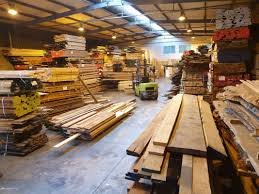
Die größte Lektion des Holzes liegt vielleicht nicht in seiner Stärke, sondern in seiner zirkuläre Weisheit. Die moderne Holzindustrie verfolgt das Prinzip der Abfallvermeidung: Jedes Nebenprodukt wird zu einem neuen Anfang. Verschnitt wird für Möbel wiederverwendet, Sägemehl dient als Brennstoff für Bioenergieanlagen und selbst Rinde wird zu natürlichem Dünger verarbeitet.
Dieser geschlossene Kreislaufansatz passt perfekt zu den globalen Nachhaltigkeitszielen – er beweist, dass Wachstum und Ressourcenschonung Hand in Hand gehen können. In den Händen verantwortungsbewusster Innovatoren wird Holz nicht nur zu einem Material, sondern zu einem… Modell dafür, wie die Welt erschaffen kann, ohne zu zerstören.
Emotionale Resonanz: Die menschliche Verbindung zum Holz
Über seine Struktur und Nachhaltigkeit hinaus birgt Holz eine emotionale Wahrheit in sich. Seine Textur, sein Duft und seine Wärme wecken etwas zutiefst Menschliches – eine Erinnerung an unsere Verbundenheit mit der Natur. Das Gehen auf Holzböden, das Berühren geschnitzter Oberflächen oder einfach das Einatmen des subtilen Duftes von Zeder oder Teakholz ruft ein Gefühl von … hervor. Ruhe und Zugehörigkeit.
Wissenschaftliche Studien bestätigen sogar, dass Umgebungen mit Holz Stress reduzieren, die Kreativität fördern und das allgemeine Wohlbefinden steigern. In einer schnelllebigen, digitalen Welt verbindet uns Holz wieder mit etwas Ursprünglichem und Erdendem – dem Rhythmus der Erde selbst.
Die Zukunft, die wächst
Die Geschichte des Holzes ist letztendlich die Geschichte von Das Leben selbst — von Wachstum, Erneuerung und Beständigkeit. Während Nationen und Industrien nach Wegen für nachhaltiges Bauen suchen, erweist sich Holz als Lehrmeister und Lösung zugleich.
Es erinnert uns daran, dass Fortschritt nicht auf Kosten der Zerstörung gehen muss. Dass wir können Gestalten wir unsere Zukunft anstatt sie zu extrahieren. Wenn diese Technologie von der Logik der Natur geleitet wird, kann sie zu einer heilenden Kraft werden.
Von traditionellen Zimmerleuten bis hin zu KI-gesteuerten Fabriken, von Waldböden bis hin zu futuristischen Skylines bleibt Holz der treueste Verbündete der Menschheit – es entwickelt sich weiter, passt sich an und inspiriert durch die Jahrhunderte.
Fazit: Wo Natur und Innovation aufeinandertreffen
In jedem einzelnen Holzmaser steckt eine Geschichte – nicht nur von seiner Herkunft, sondern auch von unserer Zukunft. Die Wälder der Welt sind nicht nur natürliche Ressourcen; sie sind … lebende Baupläne für nachhaltigen Fortschritt.
In einer Zeit, die von Umweltbewusstsein und digitaler Intelligenz geprägt ist, bietet Holz eine tiefgründige Wahrheit: Die Lösungen von morgen wurzeln oft in der Weisheit der Erde.