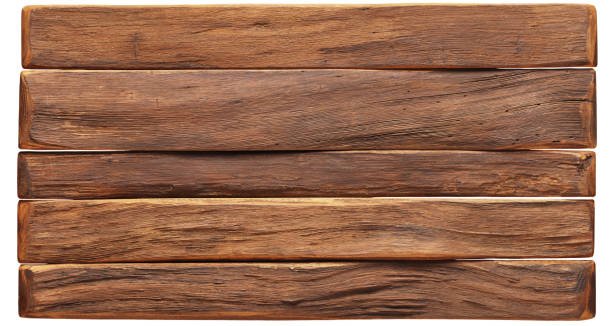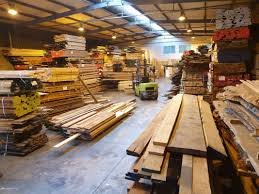
Holz ist seit jeher ein unverzichtbarer Werkstoff der Menschheit und wird aufgrund seiner Festigkeit, Vielseitigkeit und natürlichen Schönheit geschätzt. In der heutigen Welt, Nachhaltiges Holz der nächsten Generation revolutioniert Bauwesen, Möbeldesign und Inneneinrichtung durch die Kombination traditioneller Holzeigenschaften mit modernster Technologie. Diese fortschrittlichen Holzwerkstoffe bieten hohe Leistungsfähigkeit, Langlebigkeit und Umweltvorteile und eignen sich daher ideal für moderne Wohn- und Industrieanwendungen.

Was ist nachhaltiges Holz der nächsten Generation?
Nachhaltiges Holz der nächsten Generation Bezeichnet Holzprodukte, die durch spezielle Verfahren, Behandlungen oder Veredelungen so bearbeitet wurden, dass sie überragende Festigkeit, Stabilität und Umweltfreundlichkeit aufweisen. Im Gegensatz zu herkömmlichem Holz sind diese Materialien feuchtigkeitsbeständig, schädlingsresistent und verschleißfest und behalten dabei eine gleichbleibende Qualität. Sie wurden entwickelt, um der steigenden Nachfrage nach nachhaltigen und leistungsstarken Bau- und Designlösungen gerecht zu werden.
Arten von nachhaltigem Holz der nächsten Generation
1. Holzwerkstoffe
Konstruktionsholz wird durch das Verkleben von Holz- oder Faserschichten hergestellt, um eine höhere Stabilität und Festigkeit zu erzielen:
- Kreuzverleimtes Holz (CLT): Großflächige Paneele für strukturelle, nachhaltige Konstruktionen.
- Furnierschichtholz (LVL): Starke Träger für moderne Gebäude.
- Sperrholz: Mehrschichtige Platten werden für Möbel, Fußböden und architektonische Anwendungen verwendet.
2. Holzwerkstoffe
Holzwerkstoffe kombinieren Holzfasern mit Harzen oder Kunststoffen für erhöhte Haltbarkeit und Feuchtigkeitsbeständigkeit:
- MDF (Mitteldichte Faserplatte): Glatte, vielseitige Platten für Inneneinrichtungen und Möbel.
- OSB (Oriented Strand Board): Robuste Paneele für Wände, Fußböden und Dächer.
- WPC (Holz-Kunststoff-Verbundwerkstoffe): Terrassenbeläge, Gartenmöbel und industrielle Anwendungen.
3. Spezielles nachhaltiges Holz
Spezielle Holzwerkstoffe sind für spezifische Anwendungen konzipiert:
- Thermisch modifiziertes Holz: Beständig gegen Feuchtigkeit, Insekten und Fäulnis.
- Furniere und Laminate: Dekorative Oberflächen für Inneneinrichtung und Möbel.
- Formaldehydfreie Platten: Sichere, umweltfreundliche Optionen für den Innenbereich.
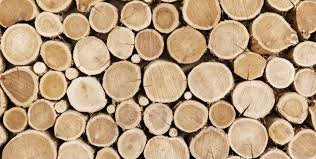
Anwendungsbereiche von nachhaltigem Holz der nächsten Generation
- Konstruktion: Balken, Paneele und Fußböden für umweltfreundliche, widerstandsfähige Gebäude.
- Möbel: Strapazierfähige Platten und Laminate für moderne Designs.
- Innenarchitektur: Wandpaneele, Furniere und dekorative Oberflächen.
- Industrielle Anwendungen: Akustikpaneele, Verpackungen und Werkzeuge.
- Grüne Architektur: Materialien zur Unterstützung kohlenstoffarmer, energieeffizienter Gebäude.
Vorteile von nachhaltigem Holz der nächsten Generation
- Nachhaltigkeit: Hergestellt aus nachwachsenden Rohstoffen unter Verwendung umweltfreundlicher Verfahren.
- Haltbarkeit: Entwickelt für langfristige Leistungsfähigkeit und Verschleißfestigkeit.
- Vielseitigkeit: Geeignet für Bauwesen, Möbelbau, Innenausbau und industrielle Anwendungen.
- Ästhetischer Wert: Vereint natürliche Schönheit mit modernen Oberflächen.
Zukunftstrends
Die Zukunft von Nachhaltiges Holz der nächsten Generation ist voller Innovationen:
- 3D-gedruckte Holzverbundwerkstoffe: Anpassbare Formen für architektonische und industrielle Anwendungen.
- Hybridmaterialien: Durch die Kombination von Holz mit recycelten Kunststoffen oder Naturfasern wird die Festigkeit erhöht.
- Intelligente Beschichtungen: Feuerbeständige, wasserabweisende und wärmeisolierende Oberflächen.
- Umweltbewusste Innovationen: Emissionsarme, formaldehydfreie Platten für ein sichereres Raumklima.
Diese Fortschritte gewährleisten, dass Nachhaltiges Holz der nächsten Generation Setzt weltweit weiterhin Maßstäbe in den Bereichen Bauwesen, Möbel und Industriedesign.

Abschluss
Nachhaltiges Holz der nächsten Generation gestaltet die Zukunft des modernen Wohnens durch die Kombination von Langlebigkeit, Nachhaltigkeit und Innovation. Mit seinen leistungsstarken Anwendungen im Bauwesen, bei Möbeln, im Innenausbau und in der Industrie sorgt dieser fortschrittliche Holzwerkstoff dafür, dass unsere Gebäude und Designs robuster werden., umweltfreundlich, und auch für kommende Generationen ästhetisch ansprechend sein.