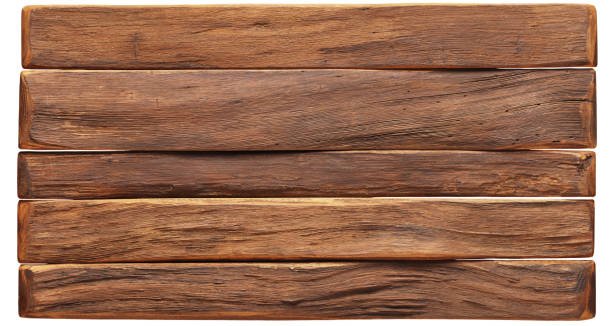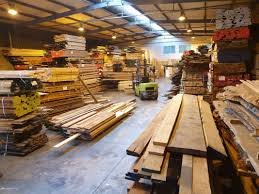
In einer Welt, die von Geschwindigkeit und künstlicher Erfindung geprägt ist, erinnert uns ein Element immer wieder an Gleichgewicht, Schönheit und Zugehörigkeit – Holz. Es ist mehr als ein Baumaterial; es ist das stille Herz der Natur, das in seiner Maserung den Rhythmus der Zeit und die Kraft des Lebens selbst in sich trägt.
Von antiken Zivilisationen bis zur modernen Skyline war Holz die Grundlage des menschlichen Fortschritts – eine Brücke zwischen Natur und gebauter Welt. Heute, angesichts der Herausforderungen des Umweltschutzes und der Suche nach nachhaltigen Lösungen, rückt Holz wieder in den Mittelpunkt – nicht als Relikt der Vergangenheit, sondern als … Material der Zukunft.

Ein in die Natur eingraviertes Erbe
Jede Holzoberfläche erzählt eine Geschichte. Jeder Jahresring dokumentiert Wachstums-, Dürre- und Erneuerungszeiten. In diesem lebendigen Archiv liegt die Geschichte von Wäldern verborgen, die lange vor dem Aufstieg der Städte und dem Untergang der Reiche existierten.
Im alten Japan bauten Zimmermeister Pagoden aus Zypressenholz und verbanden die Balken so präzise, dass ihre Tempel noch heute nach tausend Jahren stehen. In Europa stützten sich Kathedralen auf Eichenbalken, die auch Jahrhunderte später noch standhalten. Kontinentübergreifend ist die Verbundenheit der Menschheit mit Holz seit jeher tief verwurzelt. Vertrauen — Vertrauen Sie auf seine Stärke, seine Anpassungsfähigkeit und seine ewige Gnade.
Holz ist nicht nur ein Rohstoff. Es ist ein lebendiger Dialog zwischen Mensch und Erde.
Die Kraft der Nachhaltigkeit
Holz ist der einzige wichtige Baustoff, der erneuert sich. Durch das Wunder der Photosynthese fangen Bäume Kohlendioxid auf, speichern es sicher in ihren Fasern und geben Sauerstoff an die Atmosphäre ab. Jeder Kubikmeter Holz bindet fast eine Tonne Kohlenstoff – Wälder werden so zu natürlichen Wächtern gegen den Klimawandel.
Bei verantwortungsvoller Gewinnung, Wiederaufforstung und nachhaltiger Bewirtschaftung wird Holz zum Grundpfeiler einer Kreislaufwirtschaft, regenerative Wirtschaft. Organisationen wie beispielsweise FSC Und PEFC sicherstellen, dass jeder gefällte Baum ersetzt wird, Ökosysteme erhalten bleiben und lokale Gemeinschaften gedeihen können.
Im Gegensatz zu Stahl oder Beton, deren Herstellung Energie verbraucht, wächst Holz nach. leise und sauber, Geleitet von Sonnenlicht und Regen – ein Wunderwerk erneuerbarer Gestaltung, das die Natur schon lange vor dem Verständnis der Menschen perfektioniert hat.
Gestaltung eines neuen Zeitalters des Holzes
Moderne Innovationen haben Holz auf ein ungeahntes Niveau gebracht. Der Aufstieg von Konstruktionsholz - wie zum Beispiel CLT (Kreuzlaminatholz), LVL (Furnierschichtholz), Und MDF — hat neu definiert, was mit diesem Material alles möglich ist.
Diese Technologien vereinen die Wärme der Natur und der Grundlagen mit der Präzision der modernen Wissenschaft und schaffen so Produkte, die leichter als Beton, stärker als Stahl und weitaus nachhaltiger sind.
Von 80-stöckigen Wolkenkratzern in Tokio bis hin zu modularen Ökohäusern in Skandinavien – Holzwerkstoffe verändern die Architektur für immer.
Es ist nicht nur eine materielle Revolution – es ist eine philosophischer. Es zeigt, dass Stärke und Nachhaltigkeit vereinbar sind und dass Schönheit aus Verantwortung entstehen kann.
Die Kunst und die Emotion des Holzes
Über die wissenschaftlichen Aspekte hinaus spricht Holz unsere Sinne an. Es fühlt sich warm an, hat eine reiche Textur und ist voller Farben. Jede Maserung ist einzigartig – keine zwei Oberflächen sind jemals gleich. Der Duft von Kiefer, die Glätte von Ahorn, die Tiefe von Walnuss – das sind nicht nur Materialien, sondern Erfahrungen.
Holzinterieurs wirken beruhigend und stressreduzierend. Studien belegen, dass holzbetonte Umgebungen die Herzfrequenz senken, die Kreativität steigern und die Konzentration fördern. Designer bezeichnen dieses Prinzip als … biophiles Design — der menschliche Instinkt, die Verbindung zur Natur zu suchen.
Wo immer Holz vorhanden ist, fühlen die Menschen zu Hause.
Intelligentes Holz: Die Zukunft des intelligenten Wohnens
Die nächste Grenze des Designs ist intelligentes Holz — fortschrittliche Materialien, die Technologie und Nachhaltigkeit vereinen. Dank Nanotechnologie ist Holz nun feuer-, wasser- und fäulnisbeständig, ohne seinen natürlichen Charme zu verlieren.
Zukünftige Gebäude werden Holzwände nutzen, die die Luftfeuchtigkeit regulieren, Fußböden, die die Raumluft reinigen, und Akustikpaneele, die sich dem Umgebungsgeräusch anpassen. Intelligente, in das Holz integrierte Sensoren können sogar den Energieverbrauch und die Temperatur überwachen und so Räume nicht nur schön, sondern auch funktional gestalten. selbsterhaltend.
In dieser Harmonie zwischen Biologie und Technologie liegt der Bauplan für zukünftiges Leben — Häuser und Städte, die mit uns atmen, nicht gegen uns.
Die Kreislaufwirtschaft des Holzes
In der modernen Holzindustrie wird nichts verschwendet. Rinde wird zu Mulch und natürlichem Farbstoff, Sägemehl wird zu Biomasseenergie umgewandelt, und Verschnitt wird in Möbeln und Verbundplatten wiederverwendet.
Das Null-Abfall-Kreislauf Dies steht im Einklang mit der Vision globaler Nachhaltigkeit. Es beweist, dass Industrie und Ökologie koexistieren können – dass Innovation direkt aus dem Respekt vor natürlichen Systemen entstehen kann. Unternehmen wie Lulimall Sie verkörpern diese Philosophie, indem sie handwerkliches Können mit digitaler Präzision verbinden, um sicherzustellen, dass jedes Stück Holz optimal genutzt wird.

Das Erbe der Handwerkskunst
Auch wenn Maschinen Holz mit mikroskopischer Präzision bearbeiten, bleibt die Kunst des Handwerks bestehen. Das Händchen des Holzbearbeiters – dieses instinktive Verständnis für Maserung und Proportionen – ist unersetzlich.
Moderne Handwerker arbeiten nun zusammen KI-Designwerkzeuge Und CNC-Technologie, Tradition und Innovation verschmelzen. Das Ergebnis ist nicht nur Effizienz, sondern Kunstfertigkeit: Möbel und Architektur, die sowohl die Weisheit des Waldes als auch die Genialität menschlichen Designs würdigen.
Holz in seiner schönsten Form repräsentiert die Verbindung von Hand und Maschine, Tradition und Fortschritt.
Ein Material, das lebt
Anders als leblose Materialien entwickelt sich Holz. Es dunkelt nach, atmet und passt sich an. Es speichert Wärme im Winter und Kühle im Sommer. Es nimmt Lachen, Lebensdüfte und die Spuren der Zeit auf – und wird so Teil der menschlichen Geschichte.
Mit Holz zu leben bedeutet, mit etwas zu leben lebendig — eine Erinnerung daran, dass die Natur auch innerhalb der von uns errichteten Mauern noch wohnt.
Das Versprechen von morgen
Holz ist der Stoff der Hoffnung. Während die Welt nach Wegen sucht, den CO₂-Ausstoß zu reduzieren, Ökosysteme wiederherzustellen und gesunde Lebensräume zu schaffen, steht Holz bereit – reichlich vorhanden, intelligent und erneuerbar.
Es lehrt uns eine tiefere Wahrheit: Fortschritt bedeutet nicht immer Erfindung; manchmal bedeutet er Wiederentdeckung. In seinem Wesen liegt die Weisheit des Gleichgewichts – Wachstum ohne Gier, Innovation ohne Schaden.
Von uralten Wäldern bis hin zu digitalen Fabriken entwickelt sich Holz stetig weiter – nicht als Erinnerung an die Vergangenheit, sondern als … Stiftung der Zukunft.
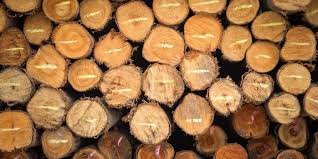
Fazit: Die lebendige Architektur der Erde
Holz ist mehr als nur das Material von Gebäuden; es ist das Architektur des Lebens selbst. Sie verkörpert Geduld, Widerstandsfähigkeit und Regeneration. Sie lehrt uns, wie wir den Planeten, der uns erhält, gestalten, erneuern und respektieren können.
In jedem Balken, jedem Boden und jeder Schnitzerei steckt eine Botschaft der Natur: Nachhaltigkeit beginnt mit Harmonie.