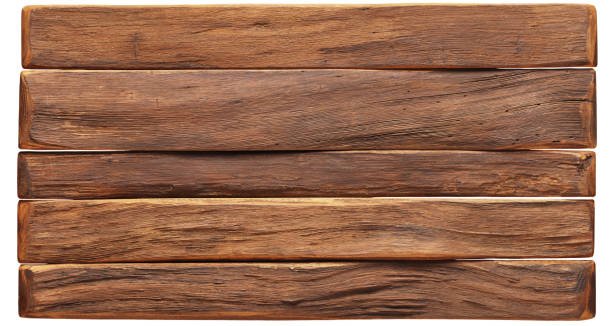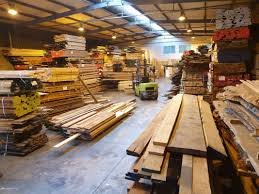
Der Holzindustrie hat in den letzten Jahrzehnten einen bedeutenden Wandel durchgemacht. Einst hauptsächlich auf Holzernte und einfache Holzbearbeitung konzentriert, legt die Branche heute Wert auf Innovation, Nachhaltigkeit und leistungsstarke technische Produkte. Aus Konstruktion und Möbel Zu Inneneinrichtung und Modulhäuser, Holz hat sich zu einem vielseitigen und umweltfreundlichen Material für moderne Anwendungen entwickelt.
1. Umweltfreundliche und nachhaltige Praktiken
Nachhaltigkeit ist ein zentrales Thema in der modernen Holzindustrie. Unternehmen konzentrieren sich heute auf:
- Verwendung von zertifiziertem, nachhaltigem Holz (FSC, PEFC)
- Herstellung formaldehydfreier und emissionsarmer Platten
- Recycling von Holzresten und landwirtschaftlichen Nebenprodukten
- Reduzierung des Energieverbrauchs und des CO2-Fußabdrucks in der Fertigung
Diese Praktiken tragen zum Umweltschutz bei und liefern gleichzeitig sichere, hochwertige Holzprodukte für Wohnhäuser, Büros und Gewerbeprojekte.
2. Fortschritte bei Konstruktionsholz
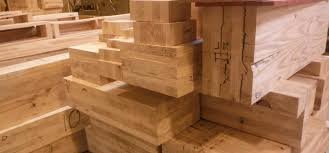
Moderne Holztechnologie hat Folgendes hervorgebracht: Holzwerkstoffe, Es ist stärker, stabiler und vielseitiger als herkömmliches Holz. Zu den beliebten Produkten gehören:
- OSB (Oriented Strand Board) und oberflächenfertiges OSB
- Schichtholzplatten (LVL, LSL)
- Sperrholz- und Verbundplatten
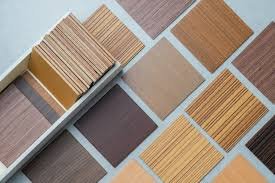
- Bodenbeläge und Dekorplatten
Oberflächenfertige OSB- und Laminatplatten ermöglichen Folgendes: Direkte Oberflächenbehandlung, einfache Installation und ein breites Anwendungsspektrum, Von Möbeln über Wände und Schränke bis hin zu Fußböden – Holzwerkstoffe sind heute weithin bekannt für ihre vielfältigen Einsatzmöglichkeiten. Stärke, Haltbarkeit und ästhetische Attraktivität.
3. Intelligente Holzverarbeitung und industrielle Innovation
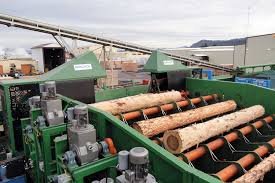
Moderne Holzfabriken beschäftigen intelligente Fertigungssysteme die Automatisierung, Robotik und digitale Überwachung integrieren. Großflächige Industrieparks arbeiten oft unter einem “Baum-zu-Haus”-Modell, die den gesamten Prozess – vom Rohholz bis zum fertigen Möbelstück oder den fertigen Paneelen – steuert.
Zu den Vorteilen einer intelligenten Holzverarbeitung gehören:
- Hohe Produktkonstanz und -qualität
- Reduzierter Abfall und geringere Umweltbelastung
- Effiziente Produktion sowohl für Großaufträge als auch für kundenspezifische Aufträge
- Schnellere Bearbeitungszeiten
Diese industriellen Innovationen gewährleisten, dass Die Holzproduktion erfüllt moderne Nachhaltigkeits- und Effizienzstandards.
4. Forschung, Entwicklung und Produktinnovation
Forschung und Entwicklung sind zum Rückgrat der Holzindustrie geworden und ermöglichen es Unternehmen, sich weiterzuentwickeln. hochentwickelte, funktionale Holzprodukte wie zum Beispiel:
- Flammhemmende Paneele zur Sicherheit
- Antimikrobielle und antivirale Oberflächen
- Feuchtigkeitsbeständige und wasserdichte Platten
- Leichtes OSB für einfachere Handhabung
- Umweltfreundliche Verbundplatten aus recycelten Materialien
Die Zusammenarbeit mit Universitäten und Forschungseinrichtungen stellt sicher, dass die Holzindustrie auf dem neuesten Stand bleibt. Vorreiter der Innovation, wodurch Produkte geschaffen werden, die sowohl Leistungs- als auch Umweltstandards erfüllen.
5. Branchenübergreifende Anwendungsmöglichkeiten
Heute finden industriell gefertigte und nachhaltige Holzprodukte breite Anwendung in folgenden Bereichen:
- Wohngebäude, Innenräume und Möbel
- Gewerbeflächen und Einzelhandelsflächen
- Modulare und vorgefertigte Bauweise
- Bodenbeläge, Wandverkleidungen und dekorative Lösungen
- Industrieverpackungen und Spezialanwendungen
Die natürliche Wärme, Haltbarkeit und Vielseitigkeit von Holz machen es zu einem bevorzugten Material für modernes Bauen und Design.
Abschluss
Das Moderne Holzindustrie kombiniert Nachhaltigkeit, technologische Innovation und Hochleistungsmaterialien Um den Anforderungen des modernen Bauwesens, der Innenarchitektur und der Möbelherstellung gerecht zu werden, setzt die Branche ihre Entwicklung mit Hilfe von Holzwerkstoffen, umweltfreundlichen Verfahren und fortschrittlichen Fertigungstechniken fort. weltweit führend Trends, Wir bieten sichere, langlebige und ästhetisch ansprechende Lösungen für Wohnhäuser, Büros und Gewerbeflächen.