Die Essenz moderner Inneneinrichtung
Zeitgenössisches Innendesign Modernes Interior Design schafft stilvolle, funktionale Räume, die die Persönlichkeit ihrer Bewohner widerspiegeln. Im Gegensatz zum traditionellen Design setzt es auf Schlichtheit, klare Linien und offene Räume, wodurch Innenräume geräumig, organisiert und einladend wirken. Kreativität, Praktikabilität und der bewusste Einsatz von Materialien verbinden sich zu Umgebungen, die Komfort, Produktivität und Ästhetik fördern.
Von Stadtwohnungen über Firmenbüros bis hin zu Gewerbeflächen verwandelt zeitgenössisches Innendesign gewöhnliche Räume in außergewöhnliche Wohn- und Arbeitserlebnisse.
Betonung von Einfachheit und Minimalismus
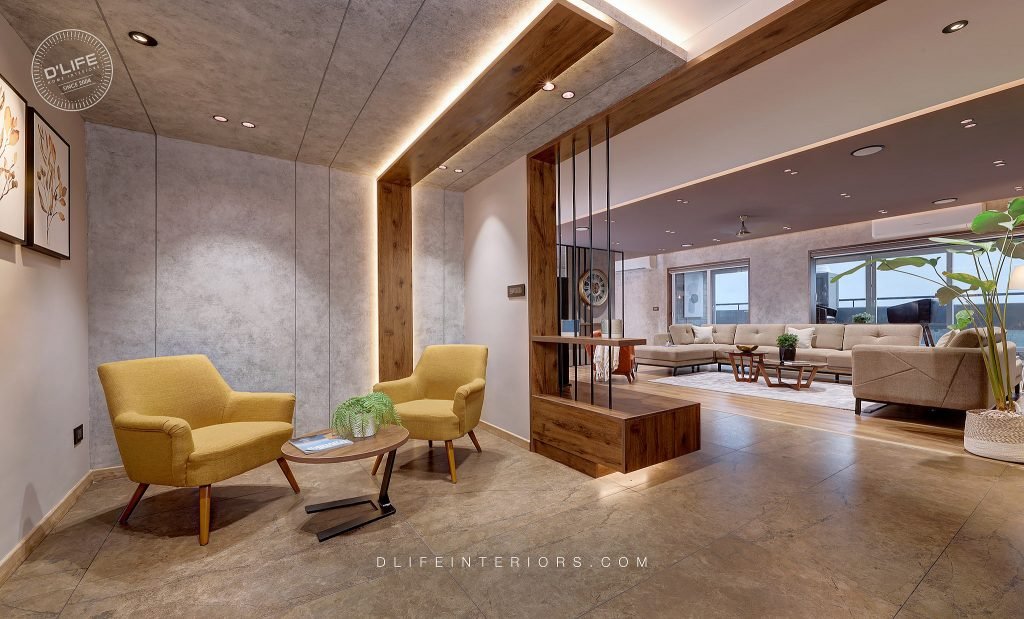
Ein zentrales Prinzip zeitgenössischen Designs ist die Schlichtheit. Weniger ist mehr – aufgeräumte Räume mit minimaler Möblierung, klaren Linien und sorgfältig ausgewählter Dekoration wirken offen und beruhigend. Minimalistische Designs erleichtern zudem die Pflege von Innenräumen und lassen funktionale Bereiche optimal zur Geltung kommen.
Durch die Verwendung neutraler Farben, geometrischer Muster und edler Oberflächen schaffen Designer ein Gefühl von Ordnung und Eleganz. Schlichtheit bedeutet nicht, auf Stil zu verzichten; es geht um Ausgewogenheit, Harmonie und subtile Eleganz.
Funktionalität und Ästhetik verbinden
Modernes Interior Design sorgt dafür, dass Schönheit und Funktionalität Hand in Hand gehen. Jedes Element, von der Möbelplatzierung bis zur Beleuchtung, ist sorgfältig durchdacht, um optimale Funktionalität zu gewährleisten. Modulare Möbel, Einbauschränke und multifunktionale Bereiche ermöglichen es, Räume an unterschiedliche Bedürfnisse anzupassen, ohne die Ästhetik zu beeinträchtigen.
In Büros fördern strategische Raumaufteilungen Produktivität und Zusammenarbeit, während in Privathaushalten funktionale Wohnbereiche den täglichen Komfort und die Bequemlichkeit verbessern.
Einbeziehung natürlicher Elemente
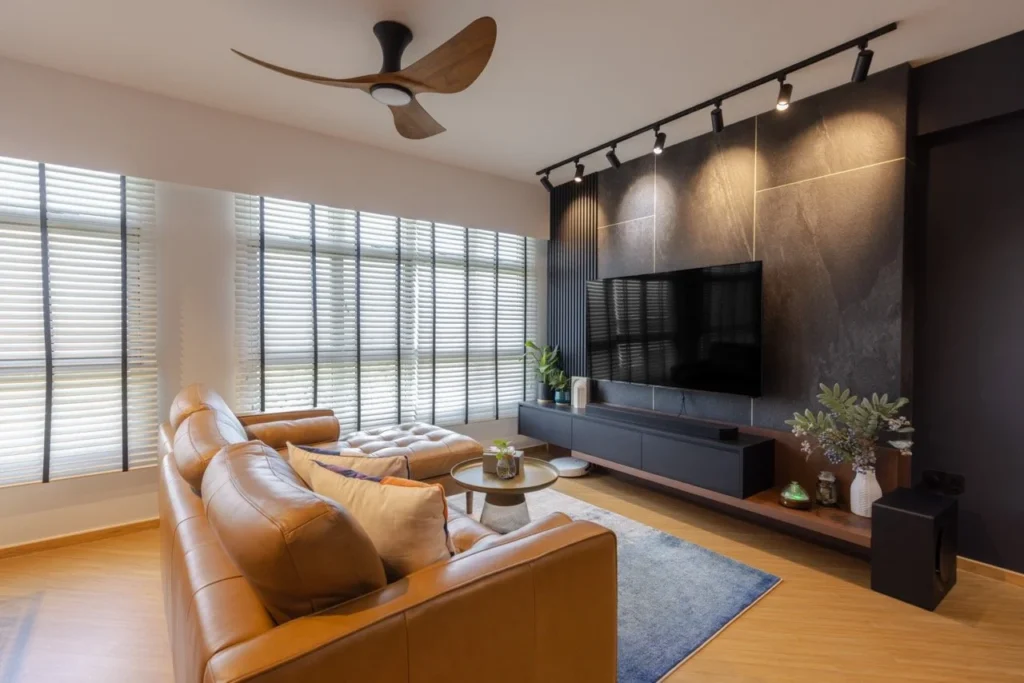
Moderne Inneneinrichtungen setzen zunehmend auf natürliche Materialien wie Holz, Stein und Glas. Diese Elemente verleihen Räumen Wärme, Struktur und Charakter und schaffen eine einladende Atmosphäre. Zimmerpflanzen, natürliches Licht und umweltfreundliche Oberflächen steigern sowohl die Ästhetik als auch das Wohlbefinden und verbinden den Innenraum mit der Natur.
Natürliche Materialien in Kombination mit elegantem, modernem Design schaffen Räume, die gleichermaßen luxuriös und beruhigend wirken.
Vielseitigkeit in verschiedenen Bereichen
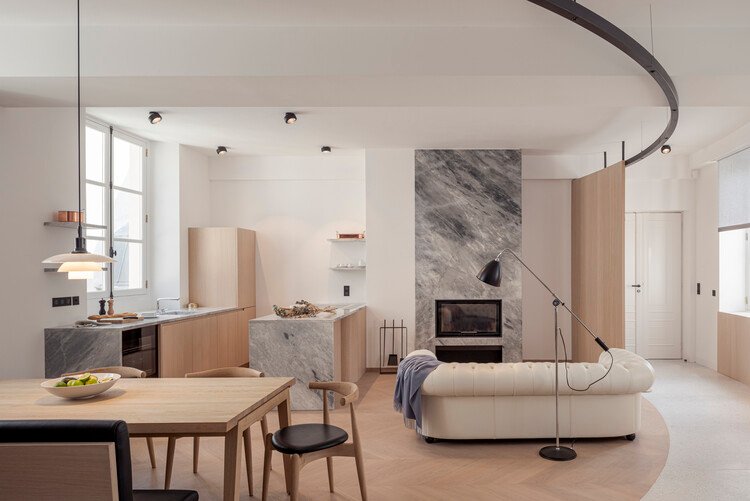
Zeitgenössisches Innendesign ist vielseitig und kann angewendet werden in:
- Häuser: Wohnzimmer, Küchen, Schlafzimmer und Arbeitsbereiche
- Büros: Konferenzräume, Coworking-Bereiche und Führungsbereiche
- Gewerbeflächen: Restaurants, Einzelhandelsgeschäfte, Hotels und Lounges
- Kundenspezifische Projekte: Künstlerische Installationen, Akzentwände und modulare Möbel
Diese Flexibilität gewährleistet, dass die Designlösungen auf die Bedürfnisse jedes einzelnen Raumes zugeschnitten werden und gleichzeitig eine einheitliche visuelle Identität erhalten bleibt.
Umweltfreundliche Gestaltungspraktiken
Nachhaltigkeit gewinnt in der modernen Innenarchitektur immer mehr an Bedeutung. Designer setzen heute vermehrt auf energieeffiziente Beleuchtung, emissionsarme Farben, Recyclingmaterialien und Holz aus verantwortungsvoller Forstwirtschaft, um die Umweltbelastung zu reduzieren. Umweltfreundliche Innenräume schonen nicht nur den Planeten, sondern verbessern auch die Raumluftqualität und schaffen ein gesünderes Umfeld für die Bewohner.
Wichtigste Vorteile des modernen Innendesigns
- Schafft organisierte, funktionale und stilvolle Räume
- Steigert Komfort, Produktivität und Wohlbefinden
- Verwendet natürliche und nachhaltige Materialien
- Flexible Lösungen für Wohnhäuser, Büros und Gewerbeprojekte
- Fördert minimalistische Eleganz und moderne Ästhetik
- Verleiht langfristigen Wert und zeitlose Eleganz.
Abschluss:
Zeitgenössisches Interior Design geht über Dekoration hinaus – es verwandelt Räume in funktionale, ästhetische und nachhaltige Umgebungen. Durch die Kombination von Minimalismus, natürlichen Materialien und intelligenten Raumkonzepten schaffen Designer Interieurs, die die Lebensqualität verbessern und einen bleibenden Eindruck hinterlassen. bleibender Eindruck. Ob für Wohn- oder Gewerbeprojekte – zeitgenössisches Design bringt Harmonie, Eleganz und Funktionalität in jeden Raum.