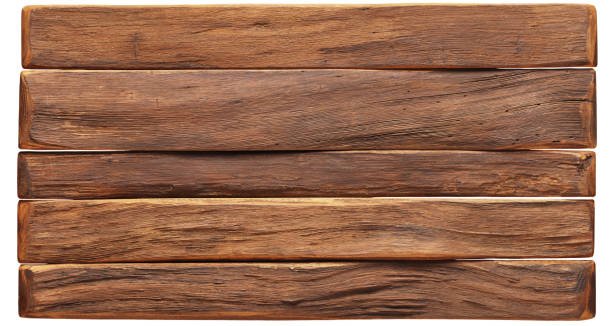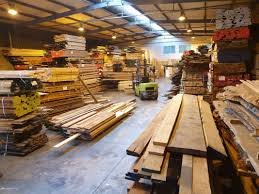
Holz war schon immer ein unverzichtbarer Werkstoff im Bauwesen, im Möbelbau und in der Inneneinrichtung. In den letzten Jahren, modernes Öko-Holz hat sich als leistungsstarke und nachhaltige Lösung etabliert, die natürliche Schönheit mit fortschrittlicher Technik verbindet. Diese Materialien sind langlebig, umweltfreundlich und vielseitig einsetzbar und eignen sich daher ideal für moderne Architektur, Möbel und industrielle Anwendungen.

Was ist modernes Ökoholz?
Modernes Öko-Holz Bezeichnet Holzprodukte, die durch Bearbeitung, Behandlung oder Veredelung hinsichtlich Festigkeit, Haltbarkeit und Umweltverträglichkeit verbessert werden. Im Gegensatz zu herkömmlichem Holz sind diese Materialien beständig gegen Feuchtigkeit, Schädlinge, Fäulnis und Verformung. Sie zeichnen sich durch gleichbleibende Qualität aus und erfüllen die Anforderungen moderner Hochleistungsanwendungen.
Arten von modernem Öko-Holz
1. Konstruktionsholz
Konstruktionsholz wird hergestellt, indem Schichten von Holzfurnieren oder -fasern mit Klebstoffen kombiniert werden, um Stabilität und Festigkeit zu erhöhen:
- Kreuzverleimtes Holz (CLT): Großflächige Strukturelemente für nachhaltige Gebäude.
- Furnierschichtholz (LVL): Stabile Balken für Konstruktions- und Möbelrahmen.
- Sperrholz: Mehrschichtige Platten werden für Fußböden, Möbel und Dekorationsprojekte verwendet.
2. Verbundholz
Holzverbundwerkstoffe werden mit Kunststoffen oder Harzen vermischt, um Haltbarkeit, Wasserbeständigkeit und Gleichmäßigkeit zu verbessern:
- Mitteldichte Faserplatte (MDF): Glatte Platten für Möbel und Schränke.
- Oriented Strand Board (OSB): Robuste Paneele für Fußböden, Wände und Dächer.
- Holz-Kunststoff-Verbundwerkstoffe (WPC): Langlebige Materialien für Gartenmöbel und Terrassen.
3. Spezielles Öko-Holz
Spezialholzprodukte werden für spezifische Leistungs- und ästhetische Zwecke behandelt oder speziell angefertigt:
- Thermisch modifiziertes Holz: Resistent gegen Fäulnis, Insekten und Feuchtigkeit.
- Furniere und Laminate: Dekorative Oberflächen für Inneneinrichtung und Möbel.
- Formaldehydfreie Platten: Sichere und umweltfreundliche Optionen für den Innenbereich.
Anwendungsbereiche von modernem Ökoholz
- Konstruktion: Balken, Paneele, Fußböden und Bauelemente für nachhaltige Gebäude.
- Möbel: Strapazierfähige und stilvolle Platten für Tische, Stühle, Schränke und Betten.
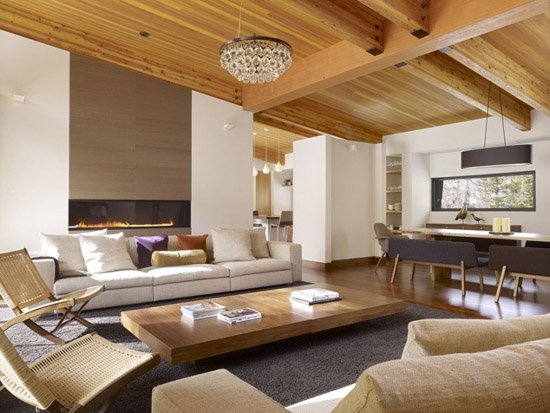
- Innenarchitektur: Wandpaneele, Furniere und dekorative Oberflächen.
- Industrielle Anwendungen: Akustikpaneele, Verpackungen und Werkzeuge.
- Umweltfreundliche Architektur: Materialien, die ein kohlenstoffarmes und energieeffizientes Design unterstützen.
Vorteile von modernem Öko-Holz
- Nachhaltigkeit: Hergestellt aus nachwachsenden Rohstoffen und unter Anwendung umweltbewusster Verfahren.
- Haltbarkeit: Entwickelt, um Umwelteinflüssen, Feuchtigkeit und Schädlingen zu widerstehen.
- Vielseitigkeit: Geeignet für Bau-, Innenausbau-, Möbel- und Industrieprojekte.
- Ästhetischer Wert: Vereint die natürliche Schönheit von Holz mit modernen Oberflächen.
- Umweltverantwortung: Verringert den CO2-Fußabdruck und fördert umweltfreundliche Bauweisen.
Zukunftstrends
Die Zukunft von modernes Öko-Holz beinhaltet:
- 3D-gedruckte Holzverbundwerkstoffe: Anpassbare Formen für Bauwesen und Möbel.
- Hybridmaterialien: Durch die Kombination von Holz mit recycelten Kunststoffen oder Fasern wird zusätzliche Festigkeit erzielt.
- Intelligente Holzbeschichtungen: Feuerbeständige, wasserabweisende und wärmeisolierende Oberflächen.
- Umweltbewusste Innovationen: Emissionsarme, formaldehydfreie Platten für ein gesünderes Raumklima.
Diese Innovationen gewährleisten, dass modernes Öko-Holz auch in Zukunft eine nachhaltige und leistungsstarke Wahl bleibt.

Abschluss
Modernes Öko-Holz bietet eine perfekte Kombination aus Nachhaltigkeit, Langlebigkeit und Vielseitigkeit. Mit Anwendungen im Bauwesen, im Innenausbau, in der Möbelindustrie und in der Industrie bietet es leistungsstarke Lösungen, die sowohl umweltfreundlich und ästhetisch ansprechend. Durch die Verwendung moderner Ökohölzer können Designer, Architekten und Bauherren nachhaltige, langlebige und innovative Projekte für kommende Generationen realisieren.