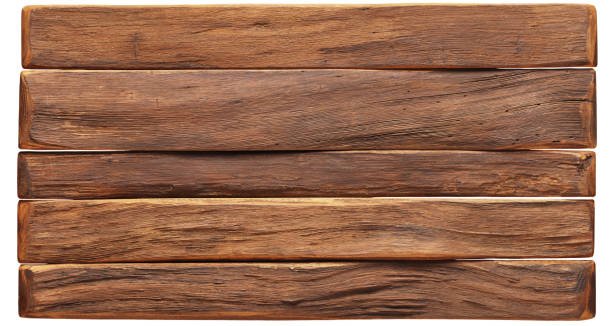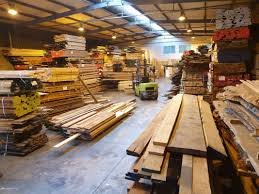
Holz zählt zu den ältesten und vielseitigsten Materialien der Menschheit. Seit Jahrtausenden wird es im Bauwesen, für Möbel, Werkzeuge, Kunst und sogar als Brennstoff verwendet. Seine Kombination aus Festigkeit, Schönheit und Nachhaltigkeit hat es zu einem unverzichtbaren Bestandteil der menschlichen Zivilisation gemacht, und moderne Innovationen erweitern seine Anwendungsmöglichkeiten stetig.
Holzarten
Holz lässt sich grob in zwei Hauptkategorien unterteilen:
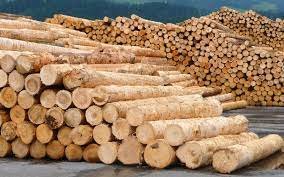
1. Hartholz
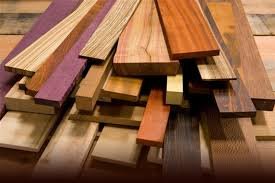
Hartholz stammt von Laubbäumen – Bäumen, die jährlich ihre Blätter abwerfen. Diese Holzart ist in der Regel dichter und haltbarer und eignet sich daher ideal für Möbel, Fußböden und hochwertige Tischlerarbeiten. Zu den gängigen Harthölzern gehören:
- Eiche – Bekannt für seine Festigkeit und attraktive Maserung.
- Ahorn – Langlebig und verschleißfest.
- Mahagoni – Aufgrund seiner satten Farbe und guten Verarbeitbarkeit hoch geschätzt.
- Nussbaum – Robust, vielseitig und ästhetisch ansprechend.
2. Weichholz
Nadelholzmaterialien Sie stammen von Nadelbäumen wie Kiefer, Tanne, Fichte und Zeder. Holzwerkstoffe sind leichter, einfacher zu verarbeiten und wachsen oft schneller als Hartholz. Nadelholzmaterialien werden häufig im Bauwesen, in der Papierherstellung und bei allgemeinen Holzarbeiten verwendet.
Physikalische und chemische Eigenschaften von Holz
Die einzigartigen Eigenschaften von Holz tragen zu seiner Vielseitigkeit bei:
- Festigkeit und HaltbarkeitBestimmte Holzarten können hohe Lasten tragen und jahrzehntelang halten.
- FunktionsfähigkeitHolz lässt sich leicht schneiden, schnitzen, biegen oder laminieren.
- WärmedämmungDie geringe Wärmeleitfähigkeit macht es zu einem ausgezeichneten Isolator.
- Ästhetische WirkungNatürliche Farben, Texturen und Maserungen sorgen für visuelle Eleganz.
- NachhaltigkeitHolz ist bei verantwortungsvoller Ernte ein nachwachsender Rohstoff und bietet somit eine umweltfreundliche Alternative zu synthetischen Materialien.
Verwendung von Holz im Alltag und in der Industrie
Die Einsatzmöglichkeiten von Holz erstrecken sich über ein breites Spektrum an Branchen und alltäglichen Anwendungen:
1. Konstruktion
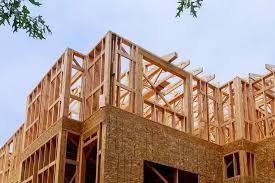
Holz ist ein wichtiger Baustoff für Häuser, Brücken und Fußböden. Holzwerkstoffe wie Brettschichtholz, Sperrholz und OSB-Platten finden breite Anwendung im konstruktiven Bereich.
2. Möbel und Inneneinrichtung
Holz ist ein unverzichtbarer Werkstoff in der Möbelherstellung. Stühle, Tische, Schränke und dekorative Paneele verdanken ihre Langlebigkeit und ästhetischen Schönheit dem Holz.
3. Werkzeuge und Ausrüstung
Viele Handwerkzeuge, Griffe und Sportartikel werden aus Holz gefertigt, da dieses Material robust und leicht zu bearbeiten ist.
4. Papier- und Zellstoffproduktion
Holzfasern sind der Hauptrohstoff für Papier, Karton und andere faserbasierte Produkte.
5. Brennstoffe und Energie
Historisch gesehen waren Brennholz und Holzkohle unverzichtbare Energiequellen. Auch heute noch wird Holz in vielen Teilen der Welt zum Kochen und Heizen verwendet.
6. Musikinstrumente
Bestimmte Holzarten wie Fichte, Ahorn und Ebenholz sind aufgrund ihrer akustischen Eigenschaften für die Herstellung von Instrumenten wie Geigen, Gitarren und Klavieren unerlässlich.
Moderne industrielle Anwendungen
Technologische Fortschritte haben Holz in technische Produkte verwandelt:
- Sperrholz – Dünne Schichten werden für Festigkeit und Stabilität miteinander verklebt.
- Mitteldichte Faserplatte (MDF) – Glatte, gleichmäßige Platten für Möbel und Innenausbau.
- Oriented Strand Board (OSB) – Wird in baulichen Anwendungen wie Fußböden und Wänden verwendet.
- Brettschichtholz – Starke, nachhaltige Träger für den Bau.
Diese Innovationen haben es ermöglicht, Holz effizienter, mit minimalem Abfall und auf umweltfreundliche Weise zu nutzen.
Umweltrelevanz
Holz ist nicht nur ein Baumaterial, sondern auch ein ökologischer Verbündeter:
- Bäume absorbieren Kohlendioxid und helfen so, den Klimawandel zu bekämpfen.
- Nachhaltige Forstwirtschaft fördert die Artenvielfalt und beugt Bodenerosion vor.
- Die Verwendung von nachwachsendem Holz verringert die Abhängigkeit von nicht erneuerbaren Ressourcen wie Metall, Kunststoff und Beton.
Abschluss
Holzwerkstoffe Sie bleiben ein Eckpfeiler des menschlichen Lebens und der Industrie. Ihre Langlebigkeit, natürliche Schönheit und ökologischen Vorteile machen sie Holzwerkstoffe Unersetzlich im Bauwesen, in der Möbelindustrie und in vielen anderen Branchen. Die Technologie entwickelt sich weiter sich weiterentwickeln, Holzwerkstoffe’Seine Rolle als nachhaltige, vielseitige Ressource dürfte zunehmen, sodass dieses zeitlose Naturmaterial auch in den kommenden Generationen unsere Welt prägen wird.