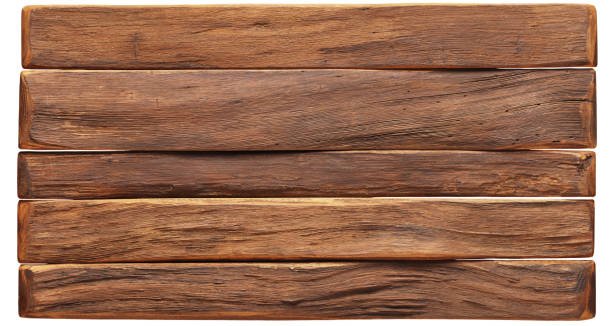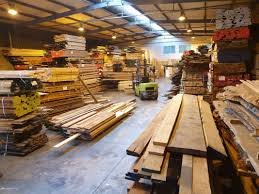
ال صناعة الألواح الخشبية يتطور هذا القطاع بسرعة، مدفوعاً بمعايير بيئية أكثر صرامة، وتغير تفضيلات المستهلكين، والتقدم التكنولوجي. منتجات خالية من الفورمالديهايد ل أنظمة التصنيع الذكية, يشهد هذا القطاع تحولاً يوازن بين الاستدامة والأداء العالي.
في لولي مول, لقد شهدنا هذه التحولات بشكل مباشر، ونواصل التكيف من خلال الابتكارات التي تلبي الطلب المحلي والدولي على حد سواء.
التحول نحو المواد المستدامة
لم يعد الاستدامة خياراً، بل أصبح ضرورة. وتفرض الحكومات في جميع أنحاء العالم ذلك. لوائح انبعاثات أكثر صرامة, بينما يُعطي العملاء الأولوية لمساحات المعيشة الصحية. ونتيجة لذلك، يركز المصنّعون على:
- ألواح OSB وألواح خشبية خالية من الفورمالديهايد
- ألواح مصفحة صديقة للبيئة
- المواد اللاصقة الحيوية مشتق من مصادر طبيعية
وقد أدى هذا التحول إلى ألواح خضراء المعيار الجديد في كل من المشاريع السكنية والتجارية.

التصنيع الذكي في صناعة الألواح الخشبية
تكامل التصنيع الذكي تُعيد التقنيات تشكيل الإنتاج. وتعتمد الشركات الآن على:
- الأتمتة والروبوتات للضغط والقطع بدقة
- مراقبة الجودة المدعومة بالذكاء الاصطناعي للكشف عن الانبعاثات والعيوب في الوقت الفعلي
- أنظمة موفرة للطاقة لتقليل الهدر وتحسين الإنتاج
بصفتنا جهة معترف بها حائز على جائزة التميز الوطنية في التصنيع الذكي, تبنت لولي مول هذه التقنيات لتقديم جودة أعلى الألواح مع تأثير بيئي أقل.
الطلب في السوق العالمية
يستمر الطلب على ألواح الخشب المصنّع في الارتفاع في جميع أنحاء العالم. وتساهم عدة عوامل في هذا النمو:
- توسع صناعة البناء – يؤدي التوسع الحضري إلى ظهور مشاريع سكنية وتجارية جديدة تتطلب ألواحًا عالية الجودة.
- نمو سوق الأثاث - تحظى قطع الأثاث المصممة حسب الطلب والمصنوعة من ألواح مغلفة ومزخرفة بطلب كبير.
- الشهادات البيئية – تشهد الأسواق الدولية طلباً متزايداً على المنتجات الحاصلة على شهادات مثل ENF و E0 والامتثال لمعايير CARB.
بفضل فروعها المنتشرة في عدة محافظات، تتمتع لولي مول بموقع استراتيجي يمكّنها من تلبية المتطلبات المحلية ومتطلبات التصدير على حد سواء.
ابتكارات في الألواح الزخرفية
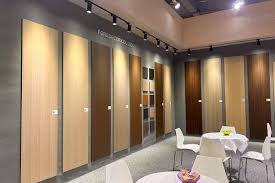
بغض النظر عن الأداء الهيكلي،, التصميم والجماليات تُعدّ هذه العوامل محركات رئيسية في الصناعة. تُصنع الألواح الزخرفية الآن باستخدام:
- ملمس الخشب الواقعي
- صفائح سطحية متينة
- ألوان وتشطيبات قابلة للتخصيص
هذه الميزات تجعلها شائعة لـ التصميمات الداخلية الحديثة، ومساحات البيع بالتجزئة، والأثاث المصمم حسب الطلب.
التحديات التي تواجه الصناعة
على الرغم من النمو السريع، يواجه هذا القطاع تحديات:
- ارتفاع التكاليف من المواد اللاصقة والمواد الخام الصديقة للبيئة
- الاستثمارات التكنولوجية مطلوب لتحديث خطوط الإنتاج
- التثقيف السوقي, حيث لا يزال بعض المستهلكين مدفوعين بالأسعار بدلاً من الاهتمام بالصحة
الشركات التي تتغلب على هذه التحديات ستضمن مكانة أقوى في السوق.
دور لولي مول في نمو الصناعة
كجزء من مجموعة لولي, تلتزم شركة لولي مول، إحدى أكبر 500 شركة في الصين، بالريادة في مجال التسوق الإلكتروني. صناعة الألواح الخشبية خلال:
- البحث والتطوير المستمر للمحاليل الخالية من الفورمالديهايد
- تبني التصنيع الذكي لضمان الكفاءة والجودة
- ممارسات الإنتاج المستدامة متوافق مع الشهادات البيئية
إن تفانينا يضمن أن كل منتج - من ألواح الخشب المضغوط إلى الألواح الزخرفية - يفي بأعلى المعايير العالمية.
التوقعات المستقبلية
وبالنظر إلى المستقبل، ستواصل صناعة الألواح الخشبية التركيز على ما يلي:
- منتجات ذات انبعاثات منخفضة للغاية مع تشديد المعايير العالمية
- المصانع الذكية مع دمج الذكاء الاصطناعي وإنترنت الأشياء
- ممارسات الاقتصاد الدائري لتقليل النفايات وزيادة كفاءة استخدام الموارد إلى أقصى حد
- مرونة التخصيص والتصميم لتلبية أذواق المستهلكين المتغيرة
خاتمة
ال صناعة الألواح الخشبية نحن الآن في نقطة تحول حيث يسير الابتكار والاستدامة جنباً إلى جنب. شركات مثل لولي مول إنهم لا يتكيفون مع هذه التغييرات فحسب، بل يقودون عملية التحول باستخدام مواد صديقة للبيئة، وتصنيع ذكي، ورؤية عالمية.
من خلال التركيز على الصحة والسلامة والتميز في التصميم، فإننا نشكل مستقبل الصناعة - لوحة تلو الأخرى.