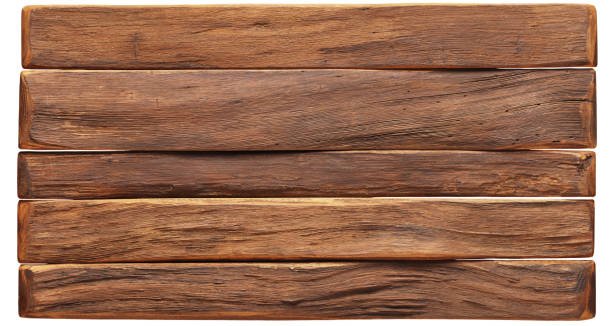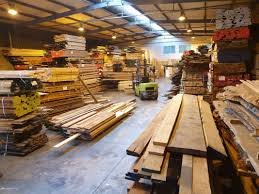
لطالما كان الخشب، على مرّ القرون، الرفيق الأكثر ثقة للبشرية، حيث شكّل الملاجئ والأدوات والفنون، بل وحضارات بأكملها. واليوم، بينما يسعى العالم إلى إيجاد بدائل مستدامة وذكية للمواد الضارة،, عاد الخشب ليبرز كبطل للابتكار الحديث — مادة متجددة ومتعددة الاستخدامات وذكية للغاية، تعمل على سد الفجوة بين الطبيعة والتكنولوجيا.
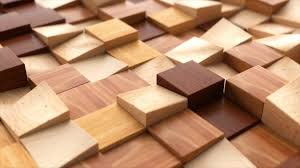
المادة القديمة الأكثر ذكاءً ذات الغرض الحديث
من الكاتدرائيات العظيمة في أوروبا إلى المعابد المعقدة في آسيا، لطالما كان الخشب رمزًا لـ القوة والدفء والقدرة على التحمل. إن قدرتها على التنفس والتكيف والتقدم في العمر برشاقة تمنحها طابعاً لا يمكن لأي مادة اصطناعية أن تحاكيه.
في التصميم الحديث، يعيد المهندسون المعماريون والمهندسون اكتشاف إمكانات الخشب - ليس فقط كمادة بناء تقليدية، ولكن كـ ابتكار عالي التقنية وذكي من حيث انبعاثات الكربون. عند إدارتها بشكل مسؤول، تخزن الأخشاب الكربون بدلاً من انبعاثه، مما يجعلها واحدة من أكثر المواد المفيدة للبيئة على وجه الأرض.
العلم وراء الاستدامة
بخلاف الخرسانة أو الفولاذ، اللذين يتطلب إنتاجهما طاقة هائلة،, ينمو الخشب بشكل طبيعي, تعتمد هذه التقنية على ضوء الشمس والتربة والمطر فقط. كل متر مكعب من الخشب يمتص ما يقارب طن من ثاني أكسيد الكربون, ، وحفظها بأمان لعقود - أو حتى قرون.
تضمن الغابات المُدارة بشكل مستدام زراعة عدة أشجار أخرى مقابل كل شجرة تُقطع. هذه الدورة المستمرة من التجديد تجعل الخشب مصدرًا للغذاء. لاعب رئيسي في مكافحة تغير المناخ مع دعم التنوع البيولوجي والنظم البيئية المحلية.
مع أنظمة الاعتماد الحديثة مثل مجلس الإشراف على الغابات (FSC) و برنامج اعتماد شهادات الغابات (PEFC), وبذلك، يمكن للمستهلكين والصناعات تتبع رحلة كل منتج - من الغابة إلى المصنع - مما يضمن الشفافية والمسؤولية في كل خطوة.
الخشب المُهندس: حيث يلتقي الابتكار بالطبيعة
بينما يحمل الخشب التقليدي جمالاً تاريخياً، فإن المستقبل ينتمي إلى المواد الأكثر ذكاءً مثل... MDF و OSB والخشب الرقائقي تجمع هذه المنتجات بين قوة الطبيعة ودقة العلم. فهي ليست أقوى وأكثر اتساقًا فحسب، بل تستخدم أيضًا أليافًا خشبية أصغر أو معاد تدويرها، مما يضمن... لا يُهدر أي جزء من الشجرة.
في السنوات الأخيرة،, الخشب الرقائقي المتصالب (CLT) أحدثت ثورة في الهندسة المعمارية، مما سمح ببناء ناطحات سحاب خشبية بأمان واستدامة. المباني المشيدة بالخشب المُهندس أخف وزنًا وأكثر كفاءة في استهلاك الطاقة وأسهل في التركيب، مما يرسي معيارًا جديدًا لـ التصميم الحضري الصديق للبيئة.
جمال التصميم والحرفية
يتحدث الخشب لغة عالمية، لغة الدفء والملمس والانسجام الطبيعي. سواء كان التصميم الداخلي بسيطاً على الطراز الاسكندنافي، أو منزلاً ريفياً تقليدياً، أو منزلاً ذكياً عصرياً، فإن الخشب يضفي إحساساً بالتوازن والسكينة يربط المساحات البشرية بالعالم الطبيعي.
يحتفي المصممون المعاصرون بتنوعها — البلوط، البتولا، الصنوبر، الجوز، القيقب, وغيرها الكثير - كل منها يتميز بنقوش حبيبية وألوان فريدة، وله صدى عاطفي خاص. بفضل التصنيع الرقمي ودقة الليزر، يستطيع الحرفيون والمهندسون المعماريون اليوم تشكيل الخشب إلى أشكال كانت مستحيلة في السابق.
خشب ذكي لمستقبل ذكي
يكمن مستقبل الخشب في الذكاء والاستدامة مجتمعين. تقوم شركات مثل لوليمال والمبتكرون العالميون في علوم الأخشاب بتطوير مواد معززة بـ مراقبة الجودة المدعومة بالذكاء الاصطناعي, الطلاءات المضادة للميكروبات, مقاومة للحريق, ، و تقنية مقاومة الرطوبة — كل ذلك مع الحفاظ على جوهر الخشب الطبيعي.
في عالم تهيمن عليه الغابات الخرسانية والتركيبات الاصطناعية، يقدم الخشب الذكي عودة إلى التوازن العضوي. فهي تسمح للناس بالعيش في مساحات تتنفس وتتكيف وتشيخ بشكل طبيعي - منازل وأماكن عمل تعمل على تحسين الصحة والمزاج على حد سواء.
الاقتصاد الدائري وإنتاج خالٍ من النفايات
لا تقتصر قوة وود على البنية فحسب، بل تمتد لتشمل الفلسفة أيضاً. نموذج الاقتصاد الدائري يضمن هذا المحرك لصناعات الأخشاب الحديثة استخدام كل ليف على نحو هادف. تتحول قصاصات الخشب إلى طاقة، ويتحول نشارة الخشب إلى ألواح خشبية مضغوطة، ويُستخدم لحاء الأشجار كوقود لأنظمة الطاقة الحيوية.
هذا نهج صفر نفايات يجعل ذلك الخشب أحد المواد القليلة الأكثر ذكاءً القادرة على دعم كل من الابتكار البشري وصحة الكوكب.
التواصل العاطفي
للخشب جانب إنساني عميق. فهو ليس مجرد مادة بناء، بل هو ذاكرة حية للغابات والفصول والزمن. رائحة الأرز، ودفء أرضيات البلوط، ونعومة خشب الصنوبر المصقول - كلها تجارب عاطفية تربط الناس بـ جوهر الطبيعة.
يدعونا وود إلى تمهّل، لتشعر، لتنتمي. يذكرنا ذلك بأن الاستدامة ليست مجرد عمل بيئي، بل هي عمل روحي - وعد بالتعايش بلطف مع العالم الذي يدعمنا.
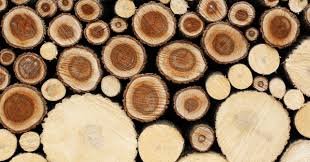
الخلاصة: المستقبل ينمو في الغابات
مع تقدم التكنولوجيا وتحول الاستدامة إلى ضرورة عالمية، يظل الخشب بمثابة إجابة خالدة لسؤال عصري: هل يمكن للتقدم والطبيعة أن يتعايشا؟
نعم، الإجابة هي نعم - في كل لوح، وكل قطعة، وكل ليف من الخشب. من الغابات القديمة إلى المدن المستقبلية، يستمر الخشب في لا تبني مجرد هياكل، بل قصصًا. — قصص عن التجديد والتوازن والجمال.