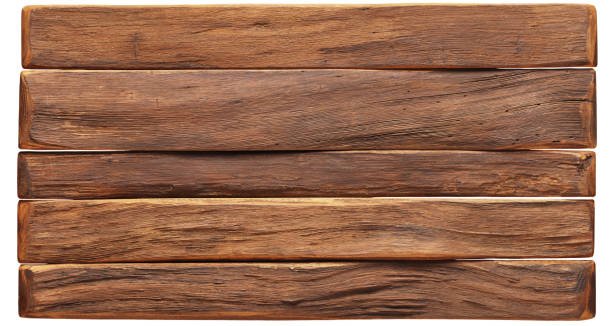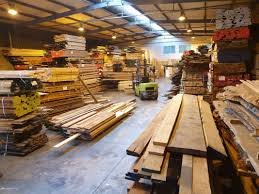
ال صناعة الأخشاب الحديثة لقد تطورت صناعة الأخشاب من الإنتاج التقليدي للأخشاب إلى قطاع ديناميكي مدفوع بـ التكنولوجيا والاستدامة والابتكار. تنتج شركات الأخشاب الحديثة مجموعة واسعة من منتجات الخشب المصنّع, ، مشتمل ألواح OSB، وألواح مصفحة، وأرضيات، وأسطح زخرفية، وأثاث مصمم حسب الطلب, وتلبية متطلبات المشاريع السكنية والتجارية والصناعية في جميع أنحاء العالم.
اليوم، يجمع هذا القطاع الممارسات الصديقة للبيئة، والتصنيع المتقدم، والابتكار القائم على البحث, ، مما يضع الخشب كواحد من أكثر المواد تنوعًا واستدامة في البناء والتصميم الداخلي.
1. إنتاج الأخشاب المستدام والمسؤولية البيئية
تُعدّ الاستدامة البيئية ركيزة أساسية في صناعة الأخشاب الحديثة. وتركز الشركات الآن على:
- منتجات خشبية خالية من الفورمالديهايد ومنخفضة الانبعاثات
- إعادة تدوير مخلفات الخشب والمنتجات الثانوية الزراعية
- التوريد من غابات مستدامة معتمدة (FSC، PEFC)
- خفض استهلاك الطاقة والانبعاثات أثناء التصنيع
من خلال تبني هذه الممارسات، تدعم صناعة الأخشاب الحديثة الاقتصاد الدائري مع إنتاج مواد عالية الجودة وآمنة وصديقة للبيئة للمنازل والمكاتب والمساحات التجارية.
2. الخشب المُهندس: القوة والمتانة والتنوع
الخشب المصنّع أحدثت ثورة في الصناعة من خلال تقديم مواد أقوى وأكثر استقرارًا وتعددًا في الاستخدام من الأخشاب الطبيعية. تشمل المنتجات الهندسية الشائعة ما يلي:
- ألواح OSB (ألواح الخشب الموجه) وألواح OSB المزخرفة السطحية
- الخشب الرقائقي (LVL، LSL، والألواح الرقائقية)
- ألواح الخشب الرقائقي والألواح المركبة
- ألواح الأرضيات والألواح الزخرفية
صُممت هذه المواد لتحمل الرطوبة، والحمل، والضغوط البيئية, ، مع السماح أيضًا تشطيب وتزيين الأسطح. على سبيل المثال، يمكن استخدام ألواح OSB الجاهزة للاستخدام مباشرة في الأثاث والخزائن والجدران الداخلية والأرضيات دون معالجة إضافية.
3. التصنيع الذكي وأنظمة "من الشجرة إلى المنزل"
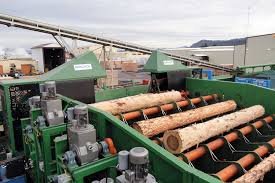
تعمل شركات الأخشاب الرائدة الحدائق الصناعية البيئية حيث يتم دمج عملية الإنتاج بأكملها - من شراء الأخشاب إلى الأثاث النهائي - تحت مظلة واحدة “نظام "من الشجرة إلى المنزل".
مزايا مصانع الأخشاب الذكية
- خطوط إنتاج آلية وروبوتات لتحقيق الدقة والكفاءة
- المراقبة الرقمية للحفاظ على جودة متسقة
- تقليل النفايات والبصمة الكربونية
- إنتاج واسع النطاق وقابل للتخصيص لأسواق متنوعة
يضمن هذا النهج منتجات عالية الجودة، وتسليمًا أسرع، وتصنيعًا مسؤولًا بيئيًا.
4. الابتكار والبحث والتطوير
يدفع البحث والتطوير صناعة الأخشاب إلى الأمام. وتعمل الشركات على تطوير لوحات وظيفية وعالية الأداء لتلبية متطلبات السلامة والأداء الحديثة، بما في ذلك:
- ألواح مقاومة للهب للاستخدام التجاري والصناعي
- أسطح مضادة للميكروبات والفيروسات للمشاريع الصحية والسكنية
- ألواح مقاومة للرطوبة والماء للمطابخ والحمامات
- ألواح OSB خفيفة الوزن لسهولة التركيب
- ألواح صديقة للبيئة مصنوعة من الكتلة الحيوية المعاد تدويرها ومخلفات الغابات
تضمن التعاونات البحثية مع الجامعات والمعاهد التقنية والمختبرات العالمية الابتكار المستمر في المواد والتصاميم وعمليات التصنيع.
5. الشهادات العالمية ومعايير الجودة
تخضع منتجات الخشب الحديثة لشهادات دولية لضمان السلامة والجودة والامتثال البيئي. تشمل الشهادات الرئيسية ما يلي:
- FSC-COC / PEFC – الإدارة المستدامة للغابات
- علامة CE – معايير السلامة والجودة الأوروبية
- CARB / EPA – انبعاثات الفورمالديهايد المنخفضة للغاية
- JAS / F☆☆☆☆ - أعلى تصنيف للسلامة والجودة في اليابان
- وضع العلامات البيئية في الصين
تضمن هذه الشهادات للعملاء أن المنتجات موثوقة وصديقة للبيئة وآمنة للاستخدام الداخلي.
6. تطبيقات في مختلف الصناعات
تدعم صناعة الأخشاب الحديثة قطاعات متنوعة، بما في ذلك:
- الإنشاءات السكنية والتصميمات الداخلية
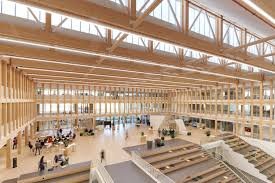
- المباني والمكاتب التجارية
- الأثاث والخزائن
- الأرضيات، والألواح، والأسطح الزخرفية
- البناء المعياري والمنازل الجاهزة
- التطبيقات الصناعية والتعبئة والتغليف
بفضل الخشب المُهندس والإنتاج الصديق للبيئة، تستطيع الشركات تقديم حلول عالية الجودة للحياة العصرية.

الخلاصة: الخشب كمادة المستقبل
العصر الحديث صناعة الأخشاب يجمع الاستدامة والابتكار والهندسة المتقدمة لإنتاج مواد تكون قوي، متين، متعدد الاستخدامات، وصديق للبيئة. من ألواح OSB الهندسية والألواح المصفحة إلى المجمعات الصناعية الذكية والابتكار القائم على البحث والتطوير، لا يزال الخشب عنصراً أساسياً مادة موثوقة وأساسية للمنازل، والتصميمات الداخلية، و التطبيقات الصناعية على مستوى العالم.