جوهر التصميمات الداخلية الحديثة
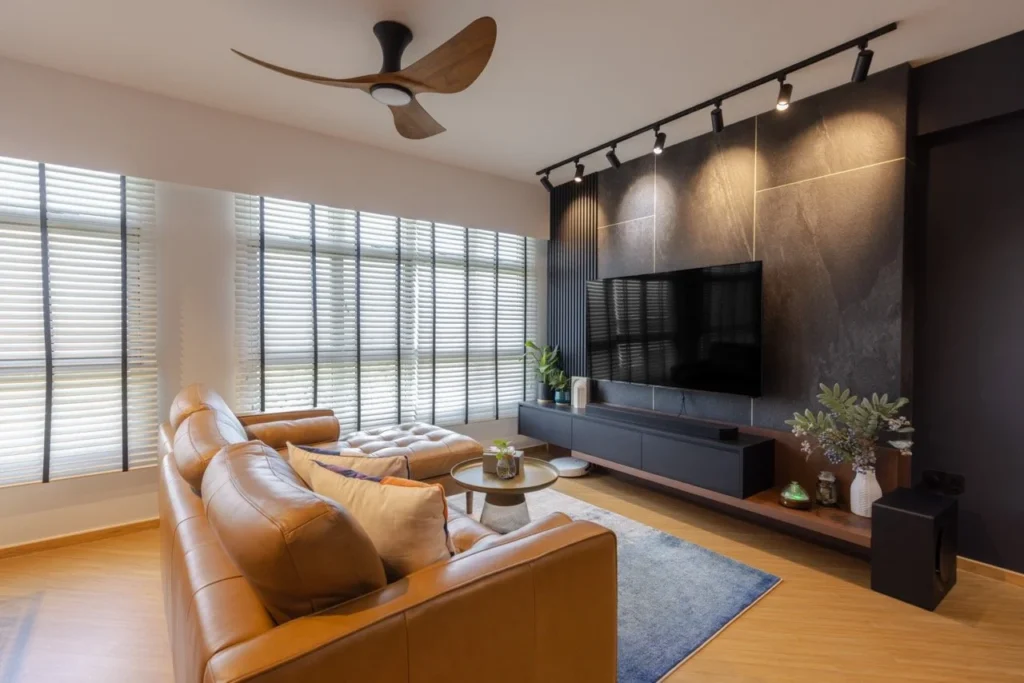
تصميم داخلي معاصر يتمحور التصميم الداخلي الحديث حول ابتكار مساحات أنيقة وعملية تعكس شخصية ساكنيها. وعلى عكس التصميم التقليدي، يركز على البساطة والخطوط الواضحة والمساحات المفتوحة، مما يجعل المساحات الداخلية تبدو واسعة ومنظمة وجذابة. يجمع التصميم الداخلي الحديث بين الإبداع والعملية والاستخدام المدروس للمواد لخلق بيئات تعزز الراحة والإنتاجية والجمال.
من الشقق الحضرية إلى مكاتب الشركات والمساحات التجارية، يحوّل التصميم الداخلي المعاصر الغرف العادية إلى تجارب معيشية وعملية استثنائية.
التركيز على البساطة والحد الأدنى
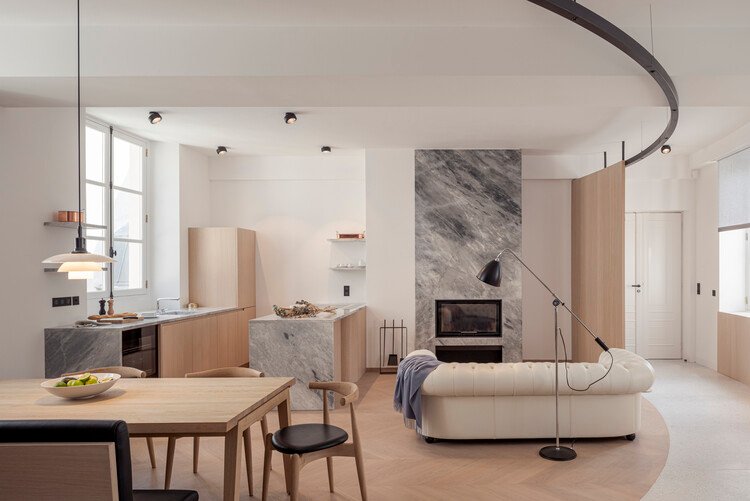
يُعدّ مبدأ البساطة أحد المبادئ الأساسية للتصميم المعاصر. فالأقل هو الأكثر جمالاً، إذ تُضفي المساحات الخالية من الفوضى، ذات الأثاث البسيط والخطوط الواضحة والديكورات المختارة بعناية، شعوراً بالرحابة والهدوء على الغرف. كما تُسهّل التصاميم البسيطة صيانة المساحات الداخلية، مع إبراز جمال المساحات العملية.
باستخدام الألوان المحايدة والأنماط الهندسية والتشطيبات الأنيقة، يخلق المصممون إحساسًا بالنظام والرقي. لا تعني البساطة التضحية بالأناقة، بل هي تتعلق بالتوازن والانسجام والجمال الرقيق.
مزج الوظائف مع الجماليات
يضمن التصميم الداخلي الحديث أن الجمال لا يطغى على الوظيفة. فكل عنصر، بدءًا من وضع الأثاث وصولًا إلى الإضاءة، يُدرس بعناية لتحقيق أقصى قدر من الأداء الوظيفي. كما أن الأثاث المعياري، ووحدات التخزين المدمجة، والمساحات متعددة الاستخدامات، تسمح بتكييف المساحات مع مختلف الاحتياجات دون التأثير سلبًا على جمالها.
في المكاتب، تعزز تصميمات التخطيط الاستراتيجي الإنتاجية والتعاون، بينما في المنازل، تعمل مناطق المعيشة الوظيفية على تحسين الراحة والسهولة اليومية.
دمج العناصر الطبيعية
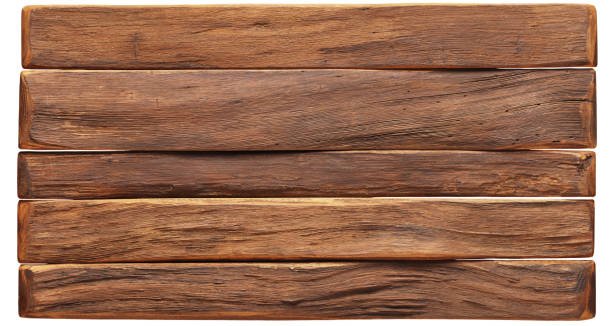
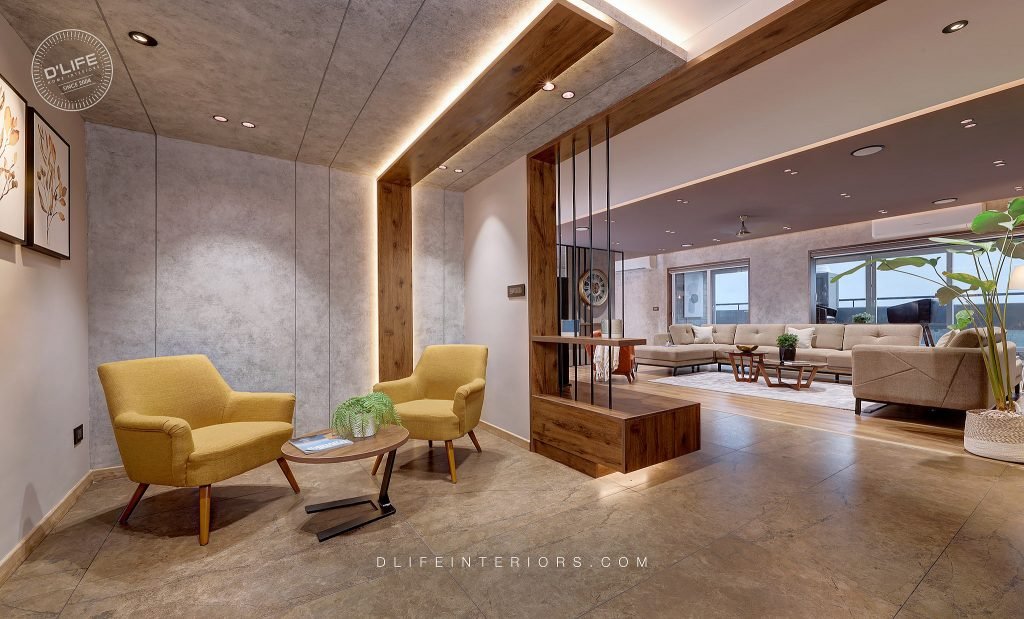
تتجه التصاميم الداخلية المعاصرة بشكل متزايد نحو استخدام المواد الطبيعية كالخشب والحجر والزجاج. تضفي هذه العناصر دفئًا وملمسًا مميزًا وشخصية فريدة، مما يجعل المساحات أكثر جاذبية. كما تُعزز النباتات الداخلية والإضاءة الطبيعية والتشطيبات الصديقة للبيئة من جماليات المكان وراحته، رابطةً بين المساحات الداخلية والبيئة الخارجية.
تخلق المواد الطبيعية الممزوجة بتصاميم أنيقة وعصرية مساحات تجمع بين الفخامة والهدوء.
تعدد الاستخدامات في مختلف المساحات
يتميز التصميم الداخلي المعاصر بتعدد استخداماته ويمكن تطبيقه في:
- المنازل: غرف المعيشة والمطابخ وغرف النوم وأماكن العمل
- المكاتب: غرف اجتماعات، ومساحات عمل مشتركة، ومناطق تنفيذية
- المساحات التجارية: المطاعم، ومتاجر البيع بالتجزئة، والفنادق، والصالات
- مشاريع مخصصة: المنشآت الفنية، والجدران المميزة، والأثاث المعياري
تضمن هذه المرونة أن يتم تصميم الحلول بما يتناسب مع احتياجات كل مساحة مع الحفاظ على هوية بصرية متماسكة.
ممارسات التصميم الصديقة للبيئة
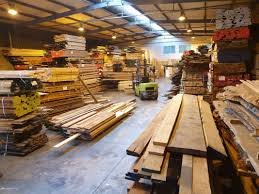
أصبحت الاستدامة أولوية متزايدة في التصميمات الداخلية المعاصرة. يحرص المصممون الآن على دمج الإضاءة الموفرة للطاقة، والدهانات منخفضة المركبات العضوية المتطايرة، والمواد المعاد تدويرها، والأخشاب المستدامة لتقليل الأثر البيئي. لا تقتصر فوائد التصميمات الداخلية الصديقة للبيئة على حماية كوكب الأرض فحسب، بل تُحسّن أيضًا جودة الهواء الداخلي وتخلق بيئات صحية أكثر لساكنيها.
الفوائد الرئيسية للتصميم الداخلي المعاصر
- يُنشئ مساحات منظمة وعملية وأنيقة
- يعزز الراحة والإنتاجية والرفاهية
- يشتمل على مواد طبيعية ومستدامة
- حلول مرنة للمنازل والمكاتب والمشاريع التجارية
- يشجع على الأناقة البسيطة والجماليات الحديثة
- يضيف قيمة طويلة الأمد وجاذبية خالدة
خاتمة:
يتجاوز التصميم الداخلي المعاصر مجرد الزخرفة، فهو يحوّل المساحات إلى بيئات عملية وجميلة ومستدامة. ومن خلال الجمع بين البساطة والمواد الطبيعية والتصاميم الذكية، يبتكر المصممون مساحات داخلية تُحسّن جودة الحياة وتترك أثراً إيجابياً. انطباع دائم. سواء كان ذلك للمشاريع السكنية أو التجارية، فإن التصميم المعاصر يضفي الانسجام والأناقة والعملية على كل مساحة.