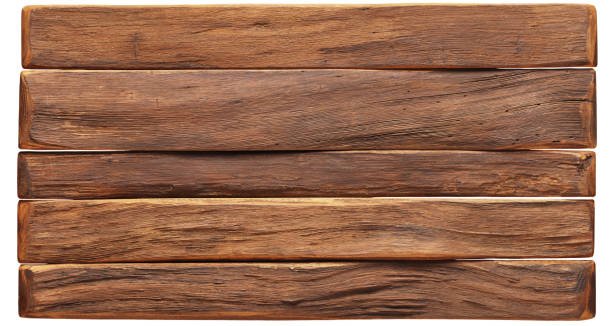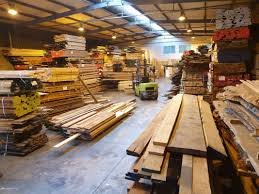
لطالما كان الخشب مادة أساسية للحضارة الإنسانية، يُقدّر لقوته وتعدد استخداماته وجماله الطبيعي. اليوم،, تقنيات الخشب الذكي تُعيد هذه التقنيات تعريف كيفية استخدام الخشب في البناء الحديث، والأثاث، والتصميم الداخلي، والتطبيقات الصناعية. فمن خلال دمج الهندسة، والاستدامة، والمعالجات المبتكرة، يُقدّم الخشب الذكي أداءً لا مثيل له، مع تلبية متطلبات التصميم المعاصر.

ما هي تقنيات الخشب الذكي؟
تقنيات الخشب الذكي تشير هذه المنتجات الخشبية إلى مواد مُهندسة أو مُعالجة أو مُحسّنة، مصممة لتحقيق أداء فائق ومتانة عالية واستدامة مستدامة. تتجاوز هذه المنتجات الخشبية الأخشاب التقليدية بمقاومتها للرطوبة والآفات والحريق والعوامل البيئية. إضافةً إلى ذلك، تحافظ على جودة ثابتة، مما يجعلها مناسبة للتطبيقات الدقيقة في الهندسة المعمارية الحديثة والمشاريع الصناعية.
أنواع مواد الخشب الذكية
1. الخشب الذكي المصنّع
يجمع الخشب الذكي المصمم هندسياً بين طبقات من الخشب أو الألياف لتعزيز القوة والاستقرار والمتانة:
- الخشب الرقائقي المتصالب (CLT): ألواح هيكلية للبناء الصديق للبيئة.
- الخشب الرقائقي المصفح (LVL): عوارض قوية للمباني عالية الأداء.
- الخشب الرقائقي: ألواح متعددة الطبقات للأثاث والأرضيات والتطبيقات المعمارية.
2. الخشب الذكي المركب
يمزج الخشب الذكي المركب ألياف الخشب مع الراتنجات أو البلاستيك لإنتاج مواد ذات متانة ومقاومة محسّنة:
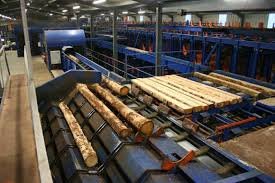
- ألواح الألياف متوسطة الكثافة (MDF): ألواح ناعمة ودقيقة للأثاث والخزائن.
- OSB (لوح الخشب الموجه): ألواح متينة للجدران والأرضيات والأسقف.
- مركبات الخشب والبلاستيك (WPC): حلول متينة للأثاث الخارجي وأرضيات التراس.
3. منتجات الخشب الذكي المتخصصة
صُممت منتجات الخشب الذكي المتخصصة لأغراض وظيفية أو جمالية فريدة:
- الخشب المعالج حرارياً: مقاوم للحشرات والرطوبة والتلف.
- القشرة والصفائح: تشطيبات زخرفية تحافظ على قوتها.
- ألواح خالية من الفورمالديهايد: صديق للبيئة وآمن للاستخدام الداخلي.
تطبيقات تقنيات الخشب الذكي
- بناء: عوارض وألواح وأرضيات عالية القوة لمبانٍ مستدامة ومرنة.
- أثاث: ألواح وصفائح مقطوعة بدقة عالية لأثاث متين وأنيق.
- التصميم الداخلي: ألواح الجدران، والقشرة، والأسطح الزخرفية.
- الاستخدامات الصناعية: ألواح عازلة للصوت، وأدوات، وتغليف يتطلب التوحيد والقوة.
- العمارة الصديقة للبيئة: يدعم مبادرات البناء الأخضر ويقلل من التأثير البيئي.
فوائد تقنيات الخشب الذكي
- الاستدامة: مصنوع من موارد متجددة وعمليات صديقة للبيئة.
- متانة: مصمم لمقاومة الإجهاد البيئي والآفات والتآكل.
- التنوع: مناسب للاستخدام في البناء، والتصميم الداخلي، والأثاث، والتطبيقات الصناعية.
- الجاذبية الجمالية: يجمع بين الجمال الطبيعي واللمسات العصرية.
الاتجاهات المستقبلية
مستقبل تقنيات الخشب الذكي مليئة بالابتكار:
- مكونات خشبية مطبوعة بتقنية الطباعة ثلاثية الأبعاد: أشكال قابلة للتخصيص وهندسة دقيقة.
- المواد الهجينة: دمج الخشب مع البلاستيك المعاد تدويره أو الألياف لتعزيز المتانة.
- الطلاءات الذكية: أسطح خشبية مقاومة للحريق، وطاردة للماء، ومعزولة حرارياً.
- ابتكارات صديقة للبيئة: ألواح منخفضة الانبعاثات وخالية من الفورمالديهايد لبيئات داخلية صحية.
مع هذه التطورات،, تقنيات الخشب الذكي من المتوقع أن تعيد هذه التقنيات تعريف البناء المستدام والأثاث الحديث والتطبيقات الصناعية في جميع أنحاء العالم.
خاتمة
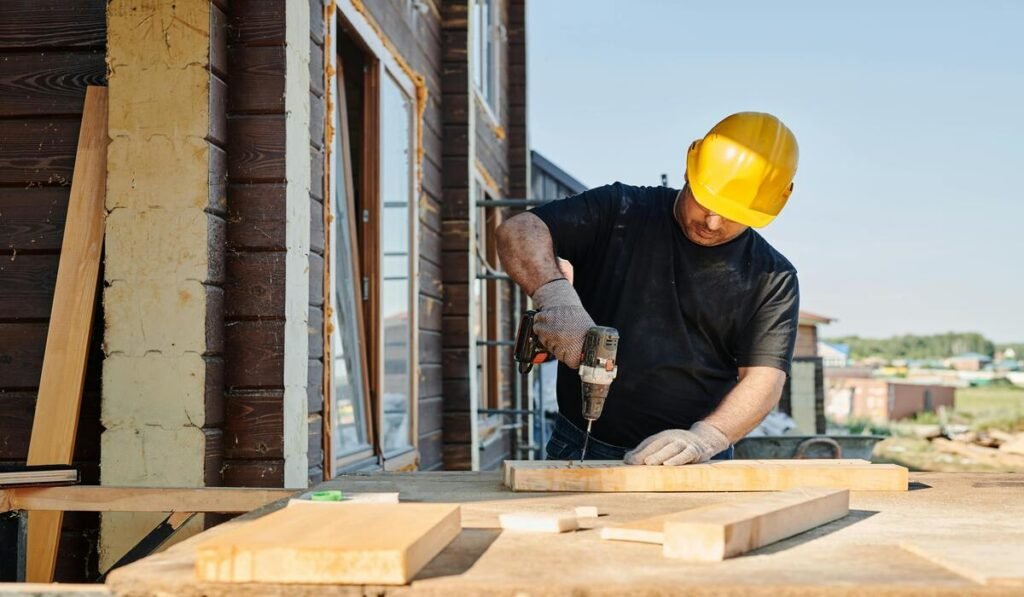
تقنيات الخشب الذكي تُحدث هذه التقنيات ثورة في كيفية استخدام الخشب في الحياة المعاصرة. فمن خلال دمج القوة الطبيعية مع الابتكار والاستدامة والتصميم، توفر هذه المواد حلولاً عالية الأداء للبناء والتصميم الداخلي والأثاث والصناعة. ومع تقدم التكنولوجيا، سيستمر الخشب الذكي في ريادة الطريق نحو مستقبل أكثر خضرة وقوة واستدامة. مستقبل فعال.