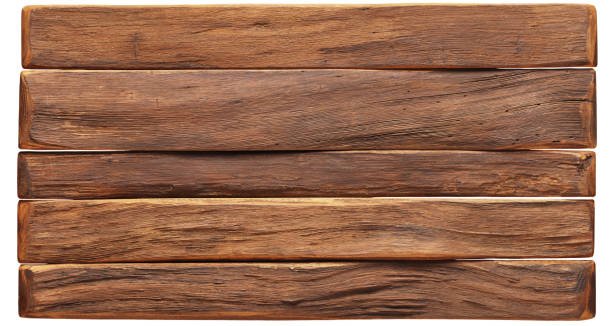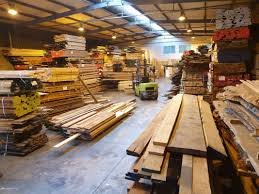
لطالما كان الخشب مادة أساسية في الحضارة الإنسانية لآلاف السنين. فمن الملاجئ البسيطة إلى العمارة الرائعة، جمع الخشب دائمًا بين القوة والجمال والتنوع. واليوم،, مواد خشبية متطورة تُعيد هذه المواد تعريف إمكانيات البناء والأثاث والتطبيقات الصناعية. فمن خلال دمج خصائص الخشب الطبيعي مع التكنولوجيا الحديثة، توفر هذه المواد حلولاً مستدامة وعالية الأداء للتصاميم التقليدية والمعاصرة على حد سواء.
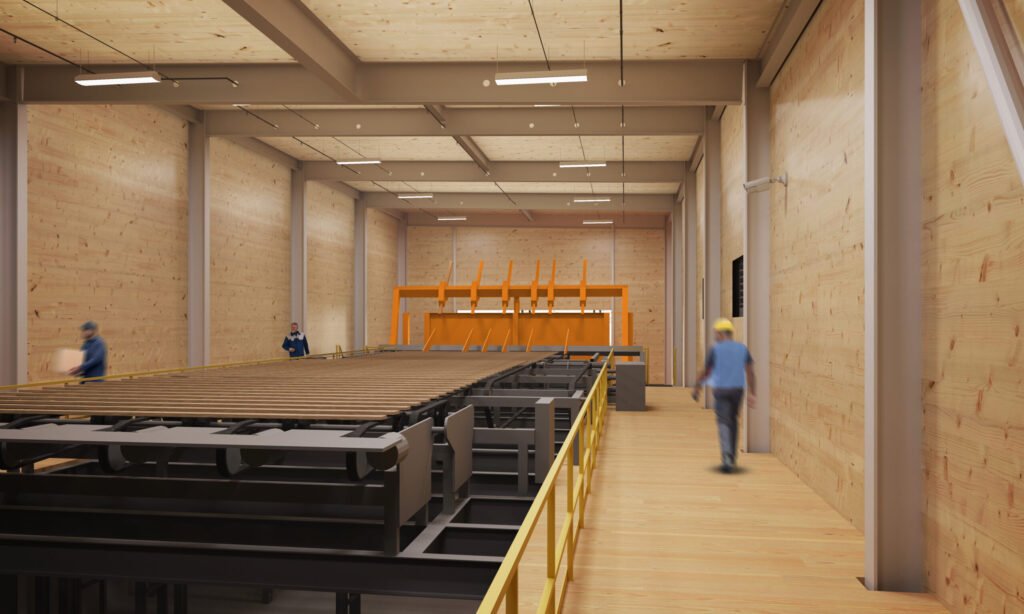
ما هي المواد الخشبية المتقدمة؟
مواد خشبية متطورة هي منتجات خشبية مُهندسة أو مُعالجة خصيصًا، مصممة لتعزيز المتانة والقوة والوظائف. على عكس الأخشاب الخام، تُحسّن هذه المواد لتطبيقات محددة، سواءً كانت للدعم الهيكلي أو لأغراض الزينة أو البناء المستدام. تشمل هذه المنتجات الأخشاب المُهندسة، والألواح المركبة، والقشرة، والرقائق، وغيرها من المنتجات الخشبية عالية الأداء.
تُعد هذه المواد حيوية في الصناعة الحديثة لأنها تسمح للمهندسين المعماريين والمصممين والمصنعين بتحقيق الدقة والاستقرار والجاذبية الجمالية مع تقليل التأثير البيئي.
أنواع مواد الخشب المتقدمة
1. مواد الخشب المصنّع
يتم إنتاج المواد الخشبية المصنعة عن طريق ربط طبقات من الخشب أو الألياف بمواد لاصقة لإنشاء منتجات قوية وموحدة ومستقرة الأبعاد.
- الخشب الرقائقي: يوفر الخشب الرقائقي، المصنوع عن طريق لصق صفائح خشبية متصالبة، قوة فائقة للبناء والأثاث.
- الخشب الرقائقي (الخشب الرقائقي المصفح): تُنتج طبقات متعددة من الخشب الملصقة معًا عوارض أقوى وأخف وزنًا من الخشب الصلب.
- الخشب الرقائقي المتصالب (CLT): ألواح كبيرة توفر الاستقرار الهيكلي للمباني الحديثة والهندسة المعمارية الصديقة للبيئة.

2. مواد الخشب المركبة
مركب مواد خشبية دمج ألياف الخشب مع البلاستيك أو الراتنجات أو المواد الرابطة الأخرى لتحسين المتانة ومقاومة الماء والتجانس.
- ألواح الألياف متوسطة الكثافة (MDF): ألواح ناعمة وكثيفة تستخدم على نطاق واسع في صناعة الأثاث والخزائن والتطبيقات الداخلية.
- لوح الخشب الموجه (OSB): خيوط من الخشب مغلفة بطبقات من المواد اللاصقة لإنشاء ألواح تستخدم في الجدران والأرضيات والأسقف.
- مركبات الخشب والبلاستيك (WPC): يستخدم في صناعة الأرضيات الخشبية، والأثاث الخارجي، والأرضيات نظرًا لمقاومته العالية للرطوبة والتلف.
3. مواد خشبية متخصصة وزخرفية
تُعالج المواد الخشبية المتخصصة أو تُصمم هندسياً لأغراض محددة، بما في ذلك الجماليات، ومقاومة الحريق، أو المتانة.
- قشور الأسنان: شرائح رقيقة من الخشب عالي الجودة تُوضع على الأسطح لإضفاء مظهر جمالي.
- الرقائق: طبقات صناعية أو طبيعية تُطبق على الألواح لتحسين الملمس واللون والمقاومة.
- ألواح خالية من الفورمالديهايد: حلول صديقة للبيئة للأثاث الداخلي والبناء.
تطبيقات المواد الخشبية المتقدمة
مواد خشبية متطورة تتميز بتعدد استخداماتها وتستخدم في مختلف الصناعات:
- بناء: تُعتبر الأخشاب المصنعة والخشب الرقائقي وألواح CLT بدائل مستدامة للخرسانة والفولاذ في المباني والجسور والأرضيات.
- صناعة الأثاث: تتيح الألواح المقطوعة بدقة، والخشب الليفي متوسط الكثافة (MDF)، والمواد المصفحة، إمكانية صنع أثاث متين وقابل للتخصيص وأنيق.
- التصميم الداخلي: تعمل الألواح الزخرفية والقشرة والصفائح على تحسين المظهر الجمالي مع الحفاظ على القوة والاستدامة.
- الاستخدامات الصناعية: تستفيد مواد التغليف والمواد الصوتية والأدوات والمكونات الخشبية من التوحيد والمتانة.
- الآلات الموسيقية: تُستخدم مواد خشبية متخصصة في صناعة البيانو والغيتار والكمان وغيرها من الآلات الموسيقية للحصول على جودة صوت فائقة.
- العمارة الصديقة للبيئة: تساهم المواد الخشبية في تقليل البصمة الكربونية وتساهم في الحصول على شهادات المباني الخضراء.
الفوائد البيئية للمواد الخشبية المتقدمة
استخدام مواد خشبية متطورة يساهم بشكل مسؤول في الاستدامة البيئية:
- الموارد المتجددة: توفر الغابات المُدارة إمداداً مستمراً من الأخشاب دون استنزاف النظم البيئية الطبيعية.
- تخزين الكربون: يخزن الخشب الكربون بشكل طبيعي، مما يساعد على تقليل انبعاثات الغازات الدفيئة.
- كفاءة الطاقة: يستهلك تصنيع المواد الخشبية المصنعة طاقة أقل مقارنة بإنتاج الصلب أو الألومنيوم أو الخرسانة.
- الحد من النفايات: تعمل المواد الخشبية المصنعة والمركبة على زيادة استخدام ألياف الخشب إلى أقصى حد، مما يقلل من هدر المواد الخام.
الاتجاهات المستقبلية في مواد الخشب المتقدمة
الابتكار في مواد خشبية متطورة يستمر في توسيع الاحتمالات:
- المواد المركبة الخشبية المطبوعة بتقنية الطباعة ثلاثية الأبعاد: دمج ألياف الخشب مع البوليمرات الحيوية للحصول على أجزاء دقيقة وقابلة للتخصيص.
- ألواح خالية من الفورمالديهايد وصديقة للبيئة: خيارات صحية أكثر للأثاث والتطبيقات الداخلية.
- المواد الهجينة: الجمع بين الخشب والبلاستيك المعاد تدويره أو الألياف الطبيعية لتحقيق متانة فائقة.
- مواد خشبية ذكية: دمج تقنية النانو والطلاءات لتحسين مقاومة الحريق، ومقاومة الماء، أو الأداء الحراري.
مع تطور صناعات البناء والأثاث والتصميم،, مواد خشبية متطورة من المتوقع أن تلعب دورًا أكبر، حيث تقدم حلولًا مستدامة وفعالة وجميلة للحياة العصرية.
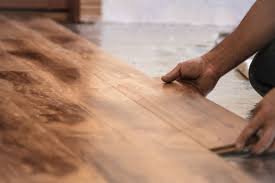
خاتمة
مواد خشبية متطورة يمثل مستقبل الاستدامة حلول عالية الأداء وتطبيقاتها المتعددة في الصناعة الحديثة. فمزيجها من المتانة والجمال الطبيعي والفوائد البيئية يجعلها لا غنى عنها في البناء والأثاث والتصميم الداخلي والمشاريع الصناعية. من خلال تبني الابتكار و صديق للبيئة توفر هذه المواد الخشبية الممارسات حلول عالية الأداء مما يضمن استمرار هذا المورد الطبيعي الخالد في تشكيل عالمنا لأجيال قادمة.