Modern Wood in Today’s Construction
In the world of contemporary construction and interior design, advanced wood materials are becoming a preferred choice for architects, builders, and homeowners. Combining natural beauty with technological enhancements, these materials offer superior strength, stability, and long-lasting performance. Unlike traditional wood, advanced wood products are engineered to resist warping, cracking, and environmental damage, making them ideal for both residential and commercial applications. From sleek interiors to structural projects, advanced wood brings functionality and elegance together.

Strength and Durability
Durability is one of the most important attributes of advanced wood materials. Engineered for structural integrity, these wood products can endure heavy use, moisture exposure, and environmental changes. They are widely used in flooring, wall panels, ceilings, cabinetry, furniture, and even structural beams. Their ability to maintain shape, strength, and finish over time ensures that construction projects remain safe, reliable, and visually appealing for decades.
Versatility in Design and Finishing
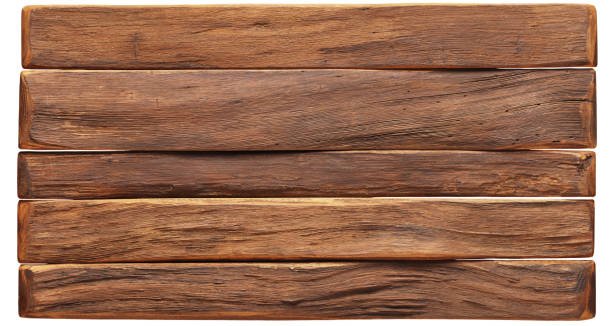
Advanced wood materials are highly versatile, offering a wide array of finishes and textures. They can be polished, laminated, painted, or veneered to achieve different looks—from natural wood grains to modern matte or high-gloss finishes. Designers can also shape, cut, and customize these materials to fit specific interior layouts or architectural styles. This versatility allows modern wood to seamlessly blend into minimalistic, contemporary, or luxury designs while maintaining durability and performance.

Eco-Friendly and Sustainable Advantages
Environmental responsibility is a key factor in modern construction, and advanced wood materials are designed with sustainability in mind. Many are manufactured using recycled wood fibers or certified sustainable sources, reducing the need for solid hardwood. Additionally, low-VOC adhesives and eco-friendly treatments make these materials safe for indoor use. By choosing advanced wood, builders and homeowners support green building practices while enjoying reliable, high-quality materials.
Applications Across Residential and Commercial Spaces
Advanced wood materials are suitable for diverse applications. In residential projects, they are commonly used for flooring, furniture, wall panels, ceilings, doors, and cabinetry. Commercial spaces such as offices, hotels, restaurants, and retail stores benefit from their strength, consistent quality, and aesthetic appeal. They can also be used in partitions, shelving, and decorative installations. The combination of functionality, elegance, and longevity makes advanced wood a top choice for both small-scale and large-scale projects.
Moisture Resistance and Longevity
Modern wood materials are engineered to resist moisture, humidity, and environmental stress. This makes them ideal for use in kitchens, bathrooms, and outdoor areas. They maintain their structural integrity and appearance even under challenging conditions. Furthermore, advanced wood requires minimal maintenance—minor scratches or dents can be refinished easily, ensuring long-term beauty and practicality. This makes them cost-effective and reliable over the life of a project.
Key Benefits of Advanced Wood Materials
- High durability and long-lasting performance
- Moisture and environment-resistant
- Wide range of design, texture, and finish options
- Eco-friendly and sustainably sourced
- Suitable for residential, commercial, and structural applications
- Easy to maintain and repair
- Combines functionality with aesthetic appeal

Conclusion: A Smart Choice for Modern Interiors and Construction
Advanced wood materials are transforming the way modern construction and interior design projects are executed. Their durability, versatility, and eco-friendly manufacturing make them ideal for flooring, furniture, wall panels, cabinetry, and structural applications. By choosing advanced wood, homeowners, architects, and builders can ensure long-lasting performance, sustainable construction, and timeless elegance. It is a material that combines style, strength, and responsibility for modern living and working spaces.