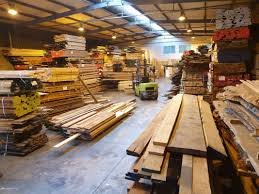
Sustainable wood is rapidly becoming one of the most important materials in modern construction, furniture manufacturing, and interior design. As environmental concerns grow, architects, builders, and designers are turning to eco-friendly wood products that combine durability, beauty, and sustainability. This article explores sustainable wood, its types, applications, benefits, and its essential role in shaping green construction and design practices worldwide.
1. What is Sustainable Wood?
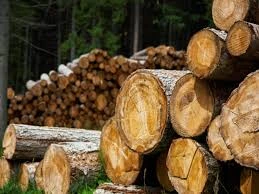
Sustainable wood is harvested from responsibly managed forests or produced using recycled wood fibers, ensuring minimal environmental impact. It maintains forest health, promotes biodiversity, and reduces carbon emissions. Unlike conventional wood harvesting, sustainable practices focus on long-term ecosystem balance, making it ideal for eco-conscious construction and design projects.
2. Types of Sustainable Wood
a. FSC-Certified Hardwood
FSC-certified hardwoods such as oak, teak, and walnut are sourced responsibly and used in furniture, flooring, and decorative interiors.
b. Recycled Wood
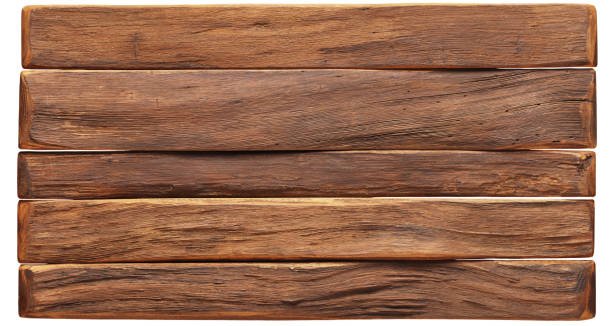
Wood reclaimed from old structures, pallets, or furniture can be repurposed into high-quality furniture, flooring, or paneling.
c. Engineered Wood
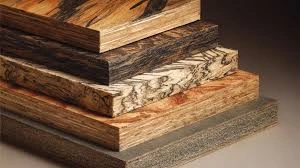
Products like OSB, plywood, MDF, and LVL made from small wood pieces or fibers reduce waste while offering strong, stable, and uniform materials.
d. Bamboo and Alternative Woods
Rapidly renewable materials like bamboo provide eco-friendly alternatives to traditional hardwoods and softwoods for flooring, panels, and furniture.
Keywords: sustainable wood, FSC-certified wood, recycled wood, engineered wood, bamboo wood, eco-friendly construction

3. Benefits of Using Sustainable Wood
- Environmentally Friendly: Reduces deforestation and supports ecosystem regeneration.
- Durable and Strong: Engineered and certified woods offer high strength and stability.
- Aesthetic Appeal: Maintains natural beauty and unique wood grain patterns.
- Cost-Efficient: Engineered and recycled wood reduce material waste.
- Supports Green Building Standards: Contributes to LEED and other sustainability certifications.
4. Applications in Modern Construction
- Structural Elements: Beams, frames, and load-bearing panels using engineered sustainable wood.
- Flooring: Hardwood, bamboo, and HDF-based eco-friendly flooring solutions.
- Walls and Paneling: Recycled and FSC-certified wood for decorative interior walls.
- Doors and Windows: Engineered and certified wood for durability and precision.
- Prefabricated and Modular Homes: Lightweight, sustainable wood for easy construction.
5. Applications in Interior Design and Furniture
- Cabinets and Wardrobes: MDF, HDF, and reclaimed wood for eco-friendly storage solutions.
- Tables and Chairs: Sustainable hardwoods or engineered boards for long-lasting furniture.
- Decorative Panels and Veneers: Beautiful and environmentally responsible design elements.
- Shelving and Storage: Recycled wood for practical and stylish solutions.
6. Future of Sustainable Wood
The future of sustainable wood in construction and interior design is promising. Innovations include:
- Cross-Laminated Timber (CLT): Strong, lightweight, and eco-friendly alternative to steel and concrete.
- Moisture-Resistant and Fire-Resistant Wood: Safer, more durable solutions for modern buildings.
- Digitally Manufactured Wood Panels: Precise designs with minimal waste.
- Hybrid Materials: Combining bamboo, recycled fibers, and engineered wood for high performance.
Sustainables wood is expected to play a key role in green construction, energy-efficient homes, and eco-conscious interior design.
7. Conclusion
wood is more than a building material—it represents a commitment to the environment, quality, and innovation. With proper sourcing, engineered solutions, and advanced manufacturing, sustainable wood supports strong, durable, and beautiful construction and furniture projects. Architects, designers, and manufacturers who prioritize sustainable wood are contributing to a greener, safer, and more efficient future for the industry and the planet.