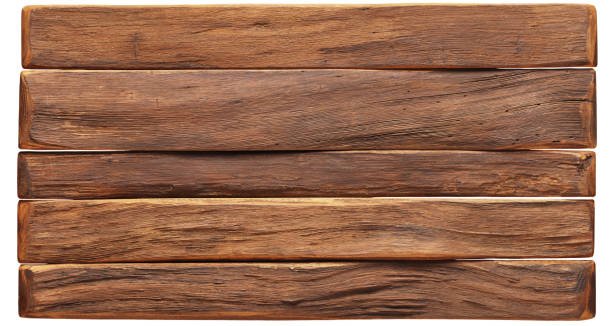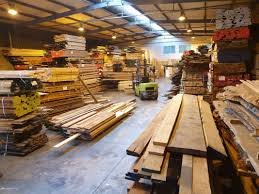
Wood has been one of the most important materials in human history. Even in today’s advanced world of steel, concrete, and synthetic materials, wood remains the preferred choice for construction, furniture manufacturing, and interior decoration. Its natural strength, warmth, and sustainability make it valuable for both functional and aesthetic purposes.
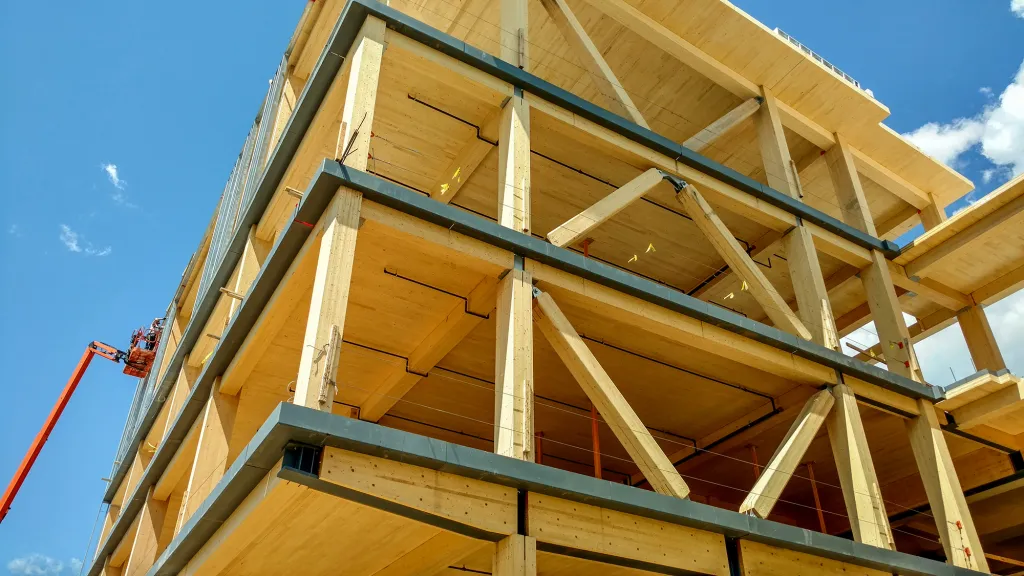
1. Importance of Wood in Today’s Industry
Quality wood is essential for strong structures and beautiful designs. Whether used in building homes or crafting furniture, wood offers durability, flexibility, and long-term performance. Its natural look also brings warmth and comfort to every space.
2. Types of Wood Used in Modern Projects
a. Natural Hardwood
Hardwoods such as oak, walnut, and teak are used for premium furniture and luxury interiors. They are known for their strength and long lifespan.
b. Natural Softwood
Softwoods such as pine, cedar, and spruce are used widely in construction due to their lightweight structure and cost efficiency.
c. Engineered Wood
Engineered wood has become a major part of modern construction. Popular types include:
- OSB (Oriented Strand Board)
- Plywood
- MDF (Medium Density Fiberboard)
- LVL (Laminated Veneer Lumber)
These products provide consistent strength, easy installation, and better resistance to moisture and warping.
3. Advantages of Engineered Wood
Engineered wood products are designed through advanced technology, offering:
- Higher stability
- Uniform quality
- Reduced waste
- Better structural performance
- Formaldehyde-free options for healthier living
This makes engineered wood a smart choice for eco-friendly and modern construction.

4. Applications of Quality Wood Products
Construction
Used for walls, roofs, floors, beams, and structural framing.
Furniture Manufacturing
Wood forms the foundation of tables, cabinets, wardrobes, and custom-designed pieces.
Interior Decoration
Decorative boards, wood veneers, laminated sheets, and wooden flooring enhance the beauty of homes and offices.
Industrial and Commercial Use
Wood is used in packaging, acoustic panels, interior partitions, and engineered building systems.
5. Sustainability and Environmental Benefits
Wood is one of the most eco-friendly building materials. When produced responsibly, it supports:
- Forest regeneration
- Reduced carbon footprint
- Sustainable construction practices
Modern factories now use formaldehyde-free adhesives, recycling systems, and energy-efficient processes to protect the environment.
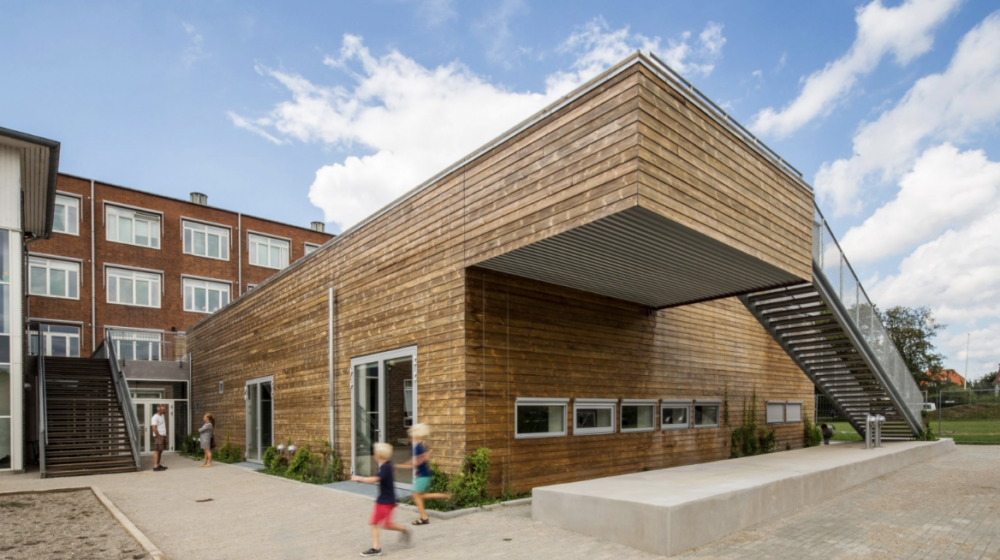
6. Future of Wood in Modern Design
With technological advancements, wood products are becoming stronger, safer, and more versatile. Innovations such as moisture-resistant boards, fire-safe panels, and digital manufacturing guarantee a bright future for wood in global industries.