As industries move toward greener practices, the demand for advanced and eco-friendly materials is rising. Smart sustainable timber represents the next step in wood innovation, combining natural renewable resources with modern engineering techniques. These materials provide exceptional strength, durability, and environmental benefits, making them ideal for future-focused construction, interiors, and furniture.
What Is Smart Sustainable Timber?
Smart sustainable timber refers to wood materials that have been engineered or treated using environmentally responsible processes. These materials aim to maximize performance—including strength, resistance, and stability—while minimizing environmental impact.
This category of timber helps industries shift toward low-carbon, energy-efficient solutions without sacrificing quality or design flexibility.
Key Features of Smart Sustainable Timber
1. Eco-Friendly Production
Manufactured using renewable resources, low-emission resins, and advanced, clean technologies.
2. High Strength & Stability
Engineered wood types like CLT and LVL support large structures, outperforming traditional timber.
3. Moisture, Fire & Pest Resistance
Special treatments and coatings help wood withstand tough environmental conditions.
4. Lightweight but Strong
Easy to transport, install, and work with—perfect for modern infrastructure.
5. Design Adaptability
Suitable for minimal, luxury, industrial, and contemporary aesthetics.
Types of Smart Sustainable Timber
1. Engineered Eco Wood
- CLT (Cross-Laminated Timber)
- LVL (Laminated Veneer Lumber)
- Glulam structural beams
2. Advanced Composite Timber
- High-strength fiberboards
- Eco-composite panels
- Reinforced wood-plastic materials
3. Enhanced Natural Wood
- Thermally modified timber
- Fire-resistant panels
- Formaldehyde-free interior boards
Applications
Construction
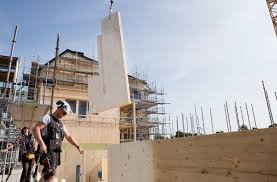
Used for green buildings, prefabricated houses, roofing, floors, and structural beams.
Furniture Manufacturing
Ideal for modern, durable, and sleek furniture designs.
Interior Design
Wall cladding, ceilings, acoustic panels, flooring, and decorative surfaces.
Outdoor Structures
Decking, pergolas, exterior walls, and weather-resistant products.
Benefits of Smart Sustainable Timber
- Reduces carbon footprint
- Long-lasting and durable
- Safe for indoor environments
- Supports green certification standards
- Easy to shape, cut, and finish
- Cost-effective in long-term use
These benefits make smart timber a preferred choice for architects, designers, manufacturers, and eco-conscious builders.
Conclusion
Smart sustainable timber is redefining how wood is used in modern industries. With its excellent strength, eco-friendly production, and wide range of applications, it stands as one of the most promising materials for the future. As innovation continues, these high-efficiency wood solutions will play a powerful role in building a greener, smarter, and more sustainable world.