The wood industry is evolving rapidly, driven by technology, automation, and sustainability. Traditional manufacturing methods, once labor-intensive and time-consuming, are now being replaced by smart factories. These modern facilities leverage digital technology, robotics, and data-driven production to produce high-quality wood products efficiently and sustainably.
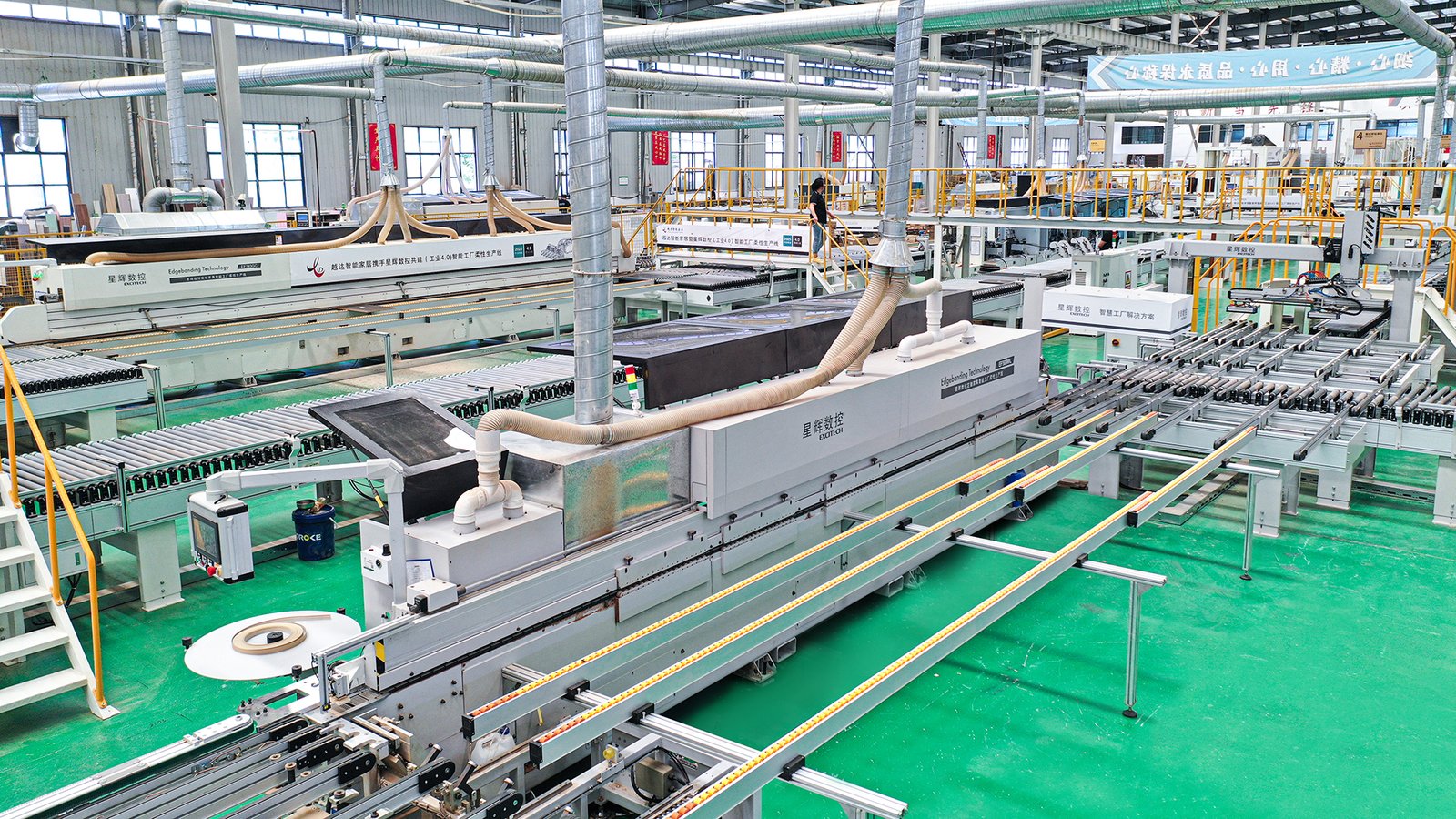
A smart factory in the wood industry integrates advanced machinery, automated production lines, and intelligent monitoring systems. The result is not only improved product quality but also a significant reduction in waste, energy consumption, and human error.
What Are Smart Factory Wood Products?
Smart factory wood products are items manufactured using intelligent production systems. This includes:
- Automated cutting and shaping using CNC machines
- Precision lamination for laminated wood and panels
- Automated finishing processes for flooring and decorative panels
- Digital quality control to ensure every piece meets exact specifications
These smart processes allow manufacturers to produce formaldehyde-free OSB boards, laminated wood, decorative panels, flooring, and custom furniture that are consistent in quality, durable, and environmentally friendly.
Advantages of Smart Factories in Wood Manufacturing
Smart factories offer several advantages over traditional wood manufacturing:
1. Precision and Consistency
Automation ensures every wood product is cut, laminated, and finished with high accuracy. This reduces defects, improves consistency, and guarantees that every panel or board meets quality standards.
2. Increased Efficiency
By combining robotics with real-time monitoring, production cycles are faster, and labor costs are optimized. A smart factory can produce large volumes of wood products without compromising quality.
3. Waste Reduction
Smart factories use data analytics and optimized cutting patterns to minimize wood waste. This not only lowers production costs but also supports sustainable practices by conserving raw materials.
4. Eco-Friendly Manufacturing
Advanced factories prioritize formaldehyde-free adhesives, energy-efficient machinery, and responsible resource usage, ensuring that wood products are environmentally safe and compliant with global standards.
5. Customization Capabilities
Smart manufacturing allows for tailored solutions, from custom furniture designs to specific panel sizes and finishes. Clients can now request unique specifications without delaying production.

Technologies Powering Smart Wood Factories
Several technologies are central to smart wood product manufacturing:
CNC Machines and Robotics
Computer Numerical Control (CNC) machines automate cutting, drilling, and shaping, enabling precise production of laminated wood, panels, and furniture components. Robotics handle repetitive tasks like sanding, assembly, and packaging, improving productivity.
Digital Monitoring and IoT Integration
Smart factories integrate Internet of Things (IoT) sensors to monitor machinery, production speed, temperature, and humidity. Real-time data allows managers to prevent defects, schedule maintenance, and optimize production.
Advanced Surface Treatments
Automated finishing lines apply coatings, laminates, and textures uniformly on wood products. This ensures durable, visually appealing surfaces for flooring, decorative panels, and furniture.
Sustainable Production Systems
Smart factories focus on eco-friendly adhesives, energy-efficient processes, and waste recycling. These practices reduce the environmental footprint of wood production while maintaining high-quality output.
Impact on the Wood Industry
Smart factories are redefining the wood industry in several ways:
- Higher Product Quality: Automation ensures precision, reducing defects and improving durability.
- Faster Production: Smart factories meet growing market demands efficiently.
- Sustainability: Eco-friendly processes align with modern environmental standards.
- Customization: Tailored solutions for interior design, flooring, and furniture projects.
- Global Competitiveness: Companies adopting smart factory technologies stay ahead in innovation and cost-efficiency.
These benefits make smart factory-produced wood products ideal for construction, interior design, and furniture manufacturing, meeting both commercial and residential needs.
Smart Factory Wood Products at Luli Wood
Shouguang Luli Wood Industry is a leading example of leveraging smart manufacturing in the wood sector. Since 2001, Luli Wood has focused on formaldehyde-free OSB boards, laminated wood, flooring, decorative panels, and custom furniture produced in technologically advanced facilities.
With automation, smart monitoring systems, and sustainable practices, Luli Wood ensures every product meets high-quality standards while minimizing environmental impact. The integration of smart factory technologies allows Luli Wood to provide:
- Eco-friendly OSB and laminated wood for construction and interiors
- Durable, stylish flooring solutions
- Custom-sized decorative panels for modern interiors
- Tailored furniture products to meet client specifications
By combining technology, quality, and sustainability, Luli Wood demonstrates how smart factories are shaping the future of the wood industry.
The Future of Smart Wood Manufacturing
The wood industry will continue to evolve with the integration of artificial intelligence, machine learning, and IoT. Future smart factories will:
- Offer predictive maintenance to prevent equipment failures
- Enable fully automated, zero-defect production lines
- Further reduce energy consumption and waste
- Provide highly personalized wood products on-demand
These advancements will make wood manufacturing safer, more efficient, and environmentally responsible, meeting the needs of modern consumers and businesses worldwide.

Conclusion
Smart factories are transforming the wood industry by combining automation, precision, sustainability, and customization. From formaldehyde-free OSB boards to laminated wood, flooring, decorative panels, and custom furniture, smart manufacturing ensures high-quality, eco-friendly products.